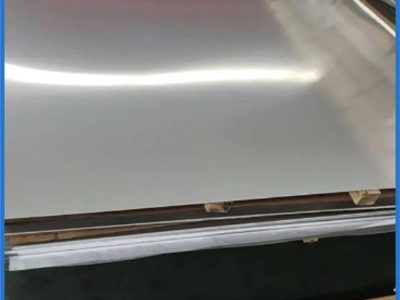
304 Stainless Plates
Stainless Steel 304 Plates are made of an austenitic SS alloy, which means it has a high chromium content and a moderate amount of nickel.
Product Introduction
What Is 304 Stainless Plates?
Stainless Steel 304 Plates are made of an austenitic SS alloy, which means it has a high chromium content and a moderate amount of nickel. They are popular for various applications due to their durability, corrosion resistance, and aesthetic appeal. Among the different grades available, Stainless Steel 304 is one of the most versatile and widely used options.
Durability and strength
Stainless steel 304 sheet/plate is a robust material with exceptional strength and durability. This makes it ideal for construction and manufacturing, where it is exposed to harsh conditions that require a strong and durable material. Its high corrosion resistance ensures that it remains in pristine condition for long periods, and its ability to withstand high temperatures further enhances its durability.
Low maintenance
Stainless steel 304 sheet/plate requires very little maintenance compared to other materials. It does not need to be painted or sealed to maintain its appearance and can be easily cleaned with soap and water or a mild detergent. Additionally, the stainless steel 304 sheet/plate does not need to be polished or waxed to maintain its shine and will remain like new for many years with minimal effort.
Hygiene and cleanliness
Stainless steel 304 sheet/plate is also known for its excellent hygiene and cleanliness. This is due to its smooth, non-porous surface that prevents bacteria from growing, making it ideal for use in the food and beverage industry. Its resistance to staining and scratching also ensures that it remains hygienic and easy to maintain.
Aesthetic appeal
In addition to its functional properties, stainless steel 304 sheet/plate also offers an aesthetic appeal that can be used to create stunning designs. Its sleek, modern look is often used in architecture, interior design, and industrial manufacturing, and it adds elegance and sophistication to any project.
Versatility
Stainless steel 304 sheet/plate is a versatile material used in many applications. Its resistance to corrosion, hygienic properties, and aesthetic appeal make it an ideal material for use in the food and beverage industry, healthcare, construction, and manufacturing.
Cost-effective
While stainless steel 304 sheet/plate may be more expensive than other materials, its durability and strength make it a cost-effective investment in the long run. Its resistance to corrosion and damage ensures that it lasts many years without requiring frequent replacement or repair. This makes it an ideal choice for applications where cost-effectiveness is crucial.
Heat resistance
Stainless steel 304 sheet/plate also has excellent heat resistance properties, which make it perfect for use around high-temperature areas such as ovens or grills without fear of warping or melting under extreme temperatures like some other metals may do when exposed to heat sources over long periods. This makes stainless steel 304 sheet/plate an ideal choice for projects requiring heat resistance, such as automotive exhaust systems and industrial machinery components.
Eco-friendly
Lastly, stainless steel 304 sheet/plate is incredibly eco-friendly because it can be recycled multiple times without losing any of its strength or integrity. This allows manufacturers who use stainless steel products to recycle their scrap material, thus reducing their carbon footprint while still creating high-quality products.
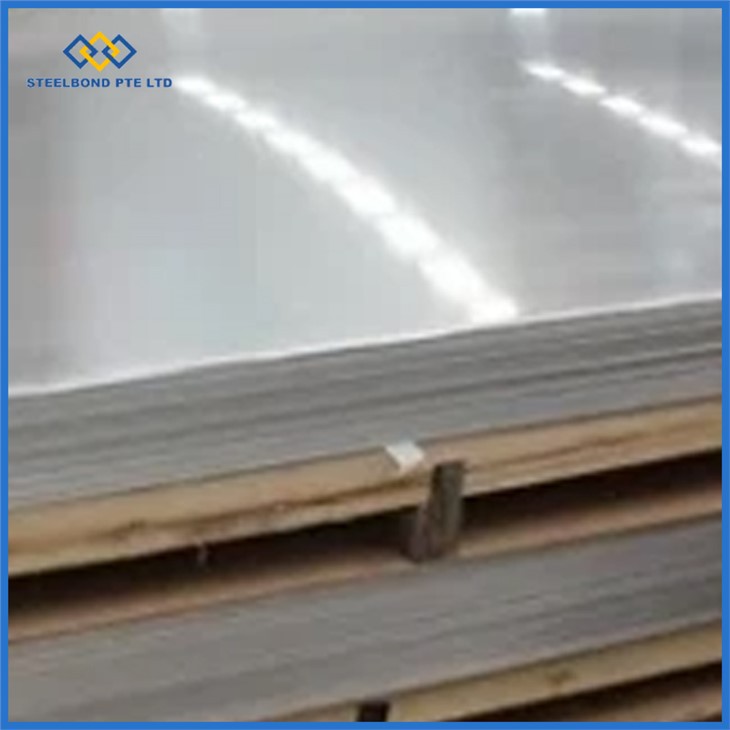
INCONEL® (nickel-chromium-iron) alloy 600 (UNS N06600/W.Nr. 2.4816) is a standard engineering material for applications which require resistance to corrosion and heat.
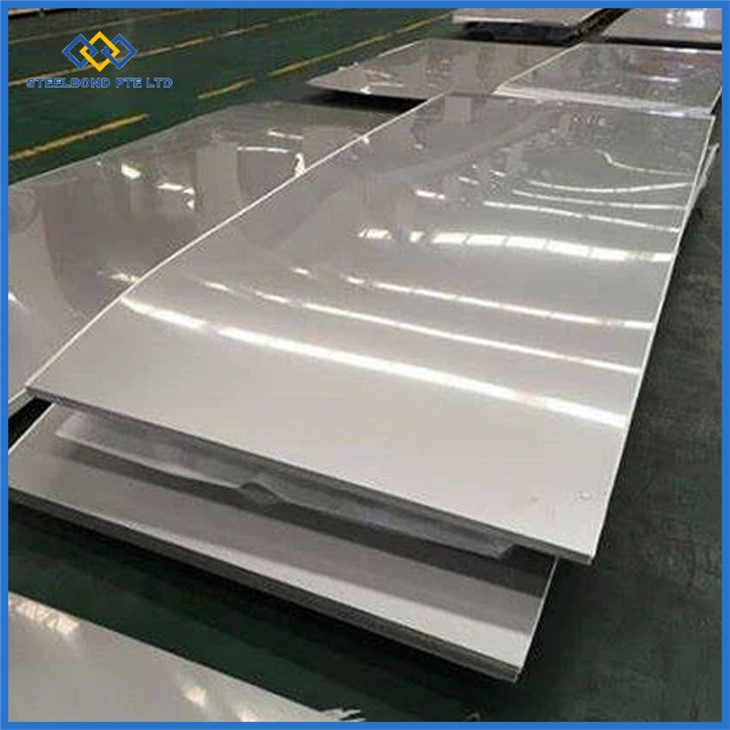
INCOLOY alloy 800 (UNS N08800/W. Nr. 1.4876) is a widely used material for construction of equipment requiring corrosion resistance, heat resistance, strength, and stability for service up to 1500°F (816°C).
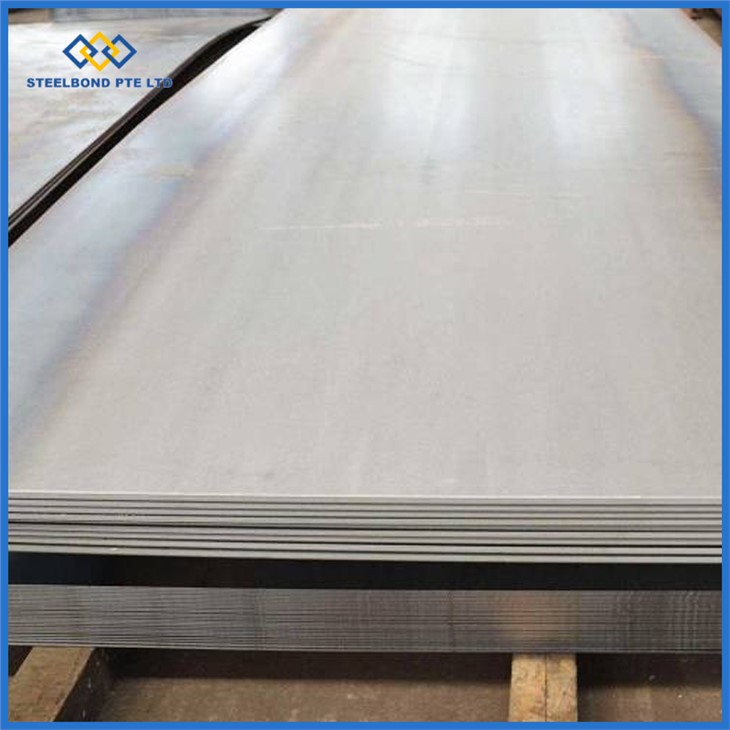
INCONEL® nickel-chromium alloy 625 (UNS N06625/W.Nr. 2.4856) is a nonmagnetic, corrosion and oxidation resistant, nickel-base alloy.
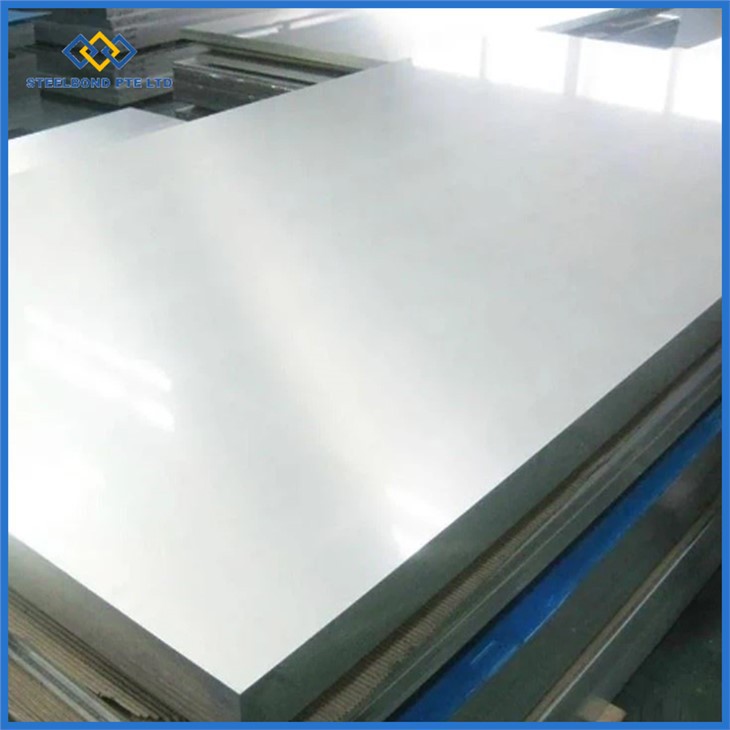
Alloy 410S (UNS S41008) is a low carbon, non–hardening modification of Alloy 410 (UNS S41000) the general purpose 12% chromium martensitic stainless steel.
S32205 And S31803 Duplex Stainless Plates
Duplex stainless steel grades have a ferritic-austenitic microstructure, with a phase balance of approximately 50% ferrite and 50% austenite.
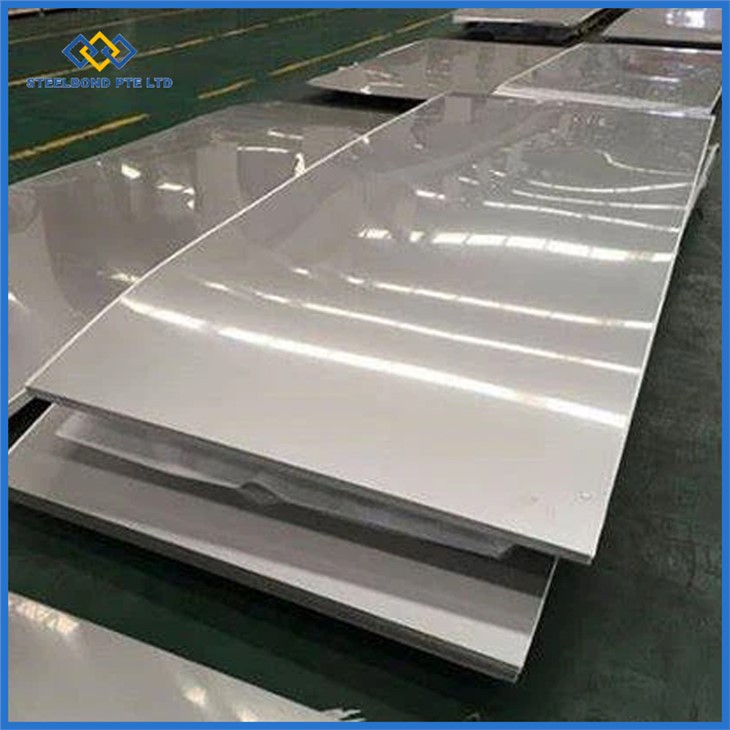
High Strength Steel Plate is a material used to make several products from plates to sheets. The properties inherent by these plates depend upon the elements added to them.
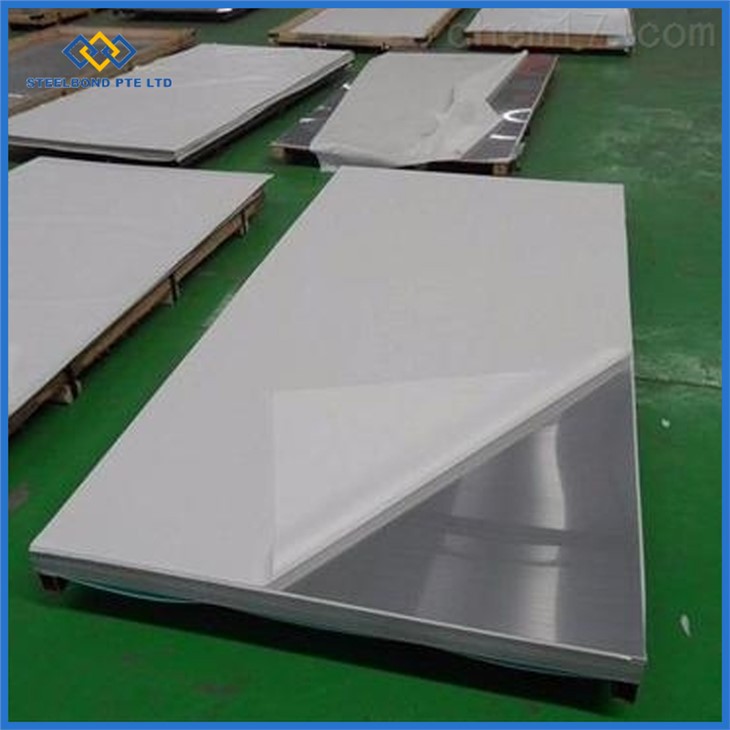
Carbon steel plate usually been considered as the steel that does not contain much alloy steel elements. Generally, elements are C, Mn, P, S, Si, besides these there are no minimum limits for elements of Al, Cr, Ni, Mo, V etc.
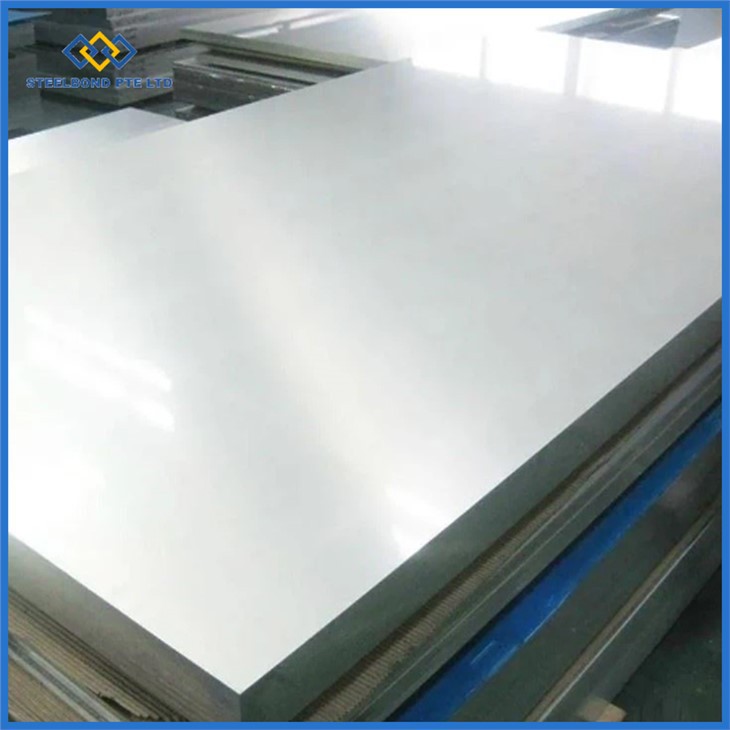
Pressure vessels are defined as closed containers that hold gases or liquids at a pressure substantially different than the ambient pressure.
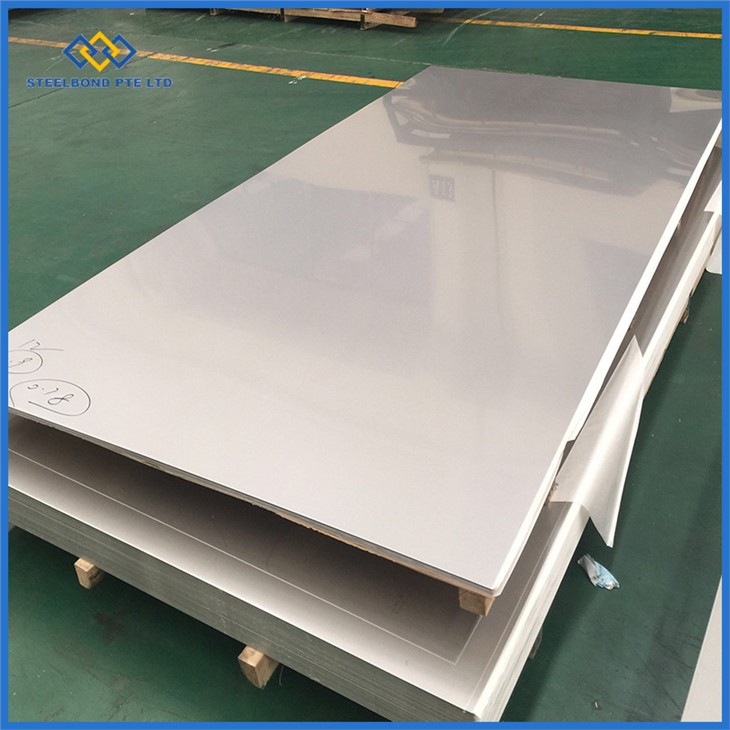
Offshore and marine steel plate is specifically certified for use in maritime projects by regulatory organizations, including the American Bureau of Shipbuilding (ABS).
Why Choose Us
Strong production chain
We have a strong supply chain with major distributors in China and other Asian regions to meet the stringent requirements of your project.
Professional team
STEELBOND PTE LTD has the most professional quality assurance team to ensure that AML and technical requirements are met, while providing quality products and services on time at the most competitive prices.
High-quality products
Committed to providing high-quality products and services efficiently, ensuring project safety, and making the world know more about Chinese steel.
Product diversification
The main inventory includes pipes and bars of stainless steel, duplex stainless steel, super duplex stainless steel, nickel alloy, Hastelloy and other grades.
Types of 304 Stainless Plates
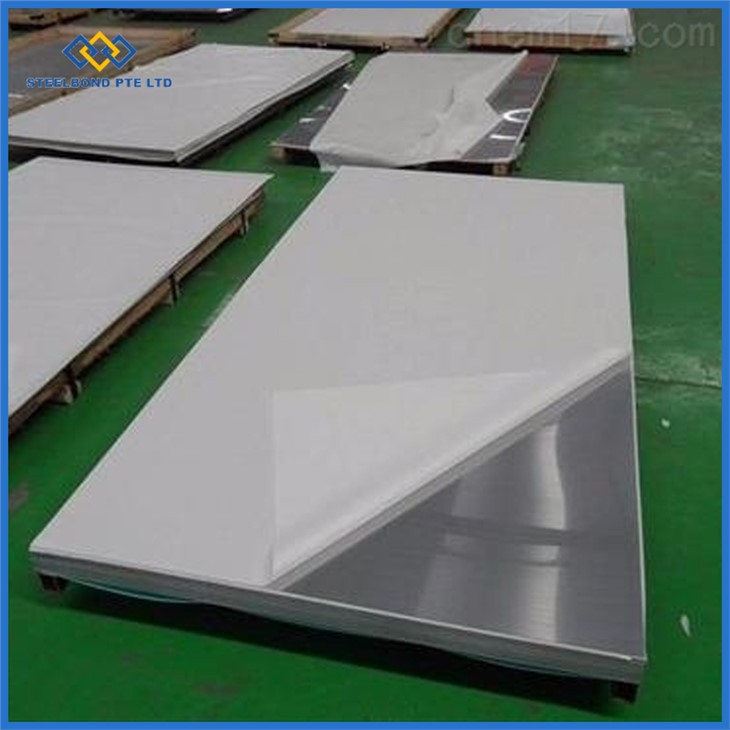
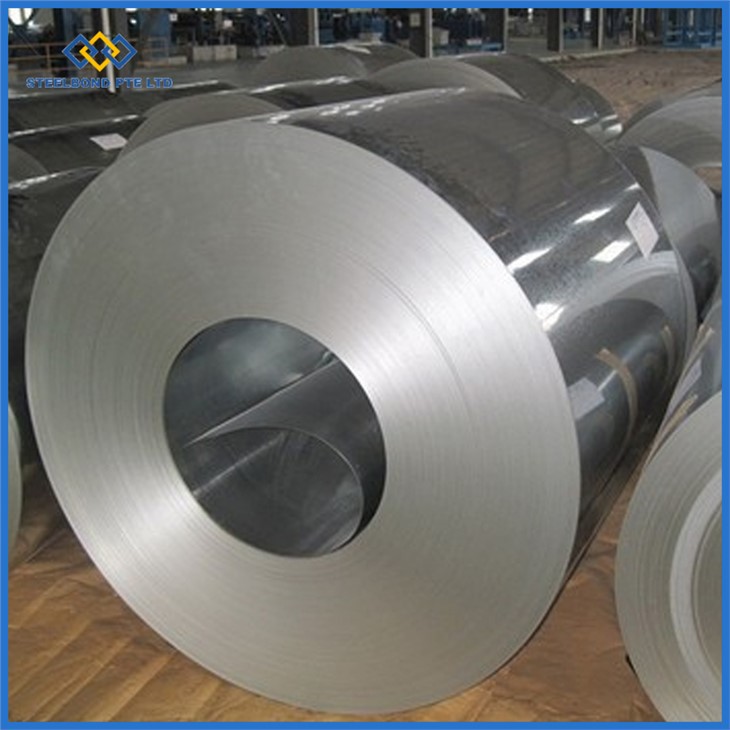
310stainless steel
Grade 310 stainless steel combines excellent high temperature performance, good ductility and weldability and is designed for high temperature service. It can be used continuously up to 1150°c and resists oxidation as long as reducing sulfur-containing gases are not present. It can also be used for intermittent service up to 1040°c. Suitable for molten salts, sulfur-containing gases and heat exchangers and heat exchanger piping.
316stainless steel
316 is the second most common stainless steel after 304 and is often used in food and surgical applications. The addition of molybdenum protects against specific forms of corrosion. By keeping carbon to a maximum of 0.03%, it has been shown to minimize carbide precipitation during welding. Lowering the sulfur content will enhance its electropolishing capabilities. It is also known as marine grade stainless steel because it has a higher resistance to chloride corrosion than 304. It is often used in marine applications and watches, pharmaceutical equipment, valve bodies, bleaching and dyeing equipment or the textile and food industries.
317 stainless steel
317 is an austenitic chromium-nickel with molybdenum, similar to 316, but with a higher alloy content. It is primarily used to more effectively resist attack by sulphurous acid compounds. 321 – this is a titanium-containing stainless steel that stabilizes carbide precipitation. At higher temperatures, the carbon combines with the titanium to form harmless titanium carbides, while the chromium maintains full corrosion resistance. 321 is essentially a modified version of 304 with at least 5 times the carbon plus nitrogen content added to the titanium.
347 stainless steel
347 is a niobium/tantalum stabilized austenitic stainless steel. Similar to 321, it has good intergranular corrosion resistance compared to typical 18-8 type alloys. It is widely used in aircraft exhaust pipes, expansion joints, and high temperature chemical processing. It tolerates atmospheric conditions and should be considered for applications requiring intermittent heating between 800f and 1650f.
410stainless steel
410 is a hardenable martensitic alloy designed for highly stressed parts requiring high ductility and good corrosion resistance. Operating temperatures up to 1200f are acceptable. 410 is widely used for blades and vanes, steam turbines, turbine wheels, valves, aircraft parts and pumps and pump shafts.
416 stainless steel
Grade 416 has the highest machinability of all stainless steels, about 85% of the free-machining carbon steels. For most other free-machining stainless steels, the improvement in machinability is achieved by the addition of sulfur to form manganese sulfide inclusions; this sulfur addition also reduces corrosion resistance, weldability and formability to less than the non-free-machining equivalent steel 410 grade. Due to its low cost and ease of machining, grade 416 is sometimes used in the unhardened or hardened and high tempered condition.
630 stainless steel
17-4 precipitation hardened, also known as type 630, is a chromium-copper precipitation-hardened stainless steel used in applications requiring high strength and moderate corrosion resistance. High strength can be maintained at temperatures of approximately 600 degrees fahrenheit (316 degrees celsius).
Application of 304 Stainless Plates
304 stainless steel sheet is a common austenitic stainless steel designed for aerospace applications. It has high tensile strength, excellent corrosion resistance and excellent shock absorption ability, making it an excellent choice for aircraft components. Due to its strong and durable and lightweight structure, ss 304 sheet is often used in the aerospace industry to manufacture fuselages, turbines, landing gear doors and control surfaces. The material can also manufacture aircraft turbine disks and electrical component housings. Its non-magnetic nature makes it ideal for instrumentation where magnetic interference must be avoided. In addition, its durability allows it to withstand extreme temperatures for long periods of time while still providing excellent performance, making this metal an important component in many aerospace applications.
304 stainless steel sheet has a wide range of applications in the chemical industry. It is an ideal material due to its corrosion resistance, high temperature strength, formability and weldability. The oxide film on the metal surface prevents further erosion by corrosive chemicals or liquids such as acids, alkaline solutions and salt water. This makes it ideal for handling complex production processes involving various chemicals, such as those used in electroplating, pickling, and etching operations. In addition, its strength allows it to withstand extreme temperatures without causing any deformation or damage to the working surface. Overall, ss 304 plate is a reliable solution for all types of chemical processing due to its excellent properties, making it corrosion-resistant and easy to maintain over the long term.
304 stainless steel plate is a versatile material that can be used in food processing due to its excellent corrosion and heat resistance, good formability, durability, and strength. It is particularly beneficial in constructing industrial food preparation surfaces because it does not react with acids or bases commonly found in many foods. These plates can also withstand high temperatures without deterioration or structural damage. In addition, they are aesthetically pleasing and easy to clean, providing an effective solution for the food processing industry where hygienic surfaces are required. 304 stainless steel plates can be used in storage tanks, box covers and racks, workstations for cutting meat/vegetables/fish, etc., various kitchen appliances (dishwashers, etc.), and manufacturing equipment such as cookers or ovens.
304 stainless steel plate is one of the most widely used materials in the pharmaceutical industry. It has excellent corrosion resistance and high temperature performance, making it an ideal material for a wide range of applications. The low carbon content also makes the plate less susceptible to sensitization when exposed to high temperatures, preventing surface cracking and other problems. Its non-magnetic properties make ss 304 plate ideal for use in many areas such as manufacturing containers, processing equipment, sterilization equipment, food production tools, and storage tanks widely used in pharmaceutical manufacturing processes. In addition to being extremely durable and wear-resistant, its non-toxic properties make it a top choice for the safe handling of pharmaceuticals or any other sensitive substances during the production process.
Regular cleaning
Removing dirt and grime from your 304 stainless steel sheet can prevent the formation of spots and rust. To do this, use a clean cloth, warm water, and a few drops of dish soap. Wipe the sheet with the cloth, rinse with warm water, and dry with a clean towel. Avoid using abrasive cleaners or scrubbers, as they can scratch the surface.
Remove stains
If you notice any stains on your 304 stainless steel sheet, remove them using baking soda and water paste. Apply the paste to the stain, let it sit for a few minutes, and then wipe it away with a clean cloth. You can also use white vinegar and water to remove stains. Apply the solution to the stain and let it sit for 10 minutes before wiping it away. Avoid using bleach or chlorine-based cleaners as they can damage the material.
Protect against corrosion
While 304 stainless steel is highly resistant to corrosion, it can still rust if exposed to harsh chemicals or environments. To protect against corrosion, avoid exposing your sheets to chemicals such as chlorine, acids, or bleach. Also, dry your sheets thoroughly after cleaning to prevent moisture buildup.
Avoid scratches
Although 304 stainless steel is durable, it can still get scratched. Use a soft cloth or sponge when cleaning your sheets to avoid scratches. Also, avoid using steel wool, wire brushes, or abrasive pads, as they can scratch the surface. If you get scratches, use a non-abrasive cleaner and a soft cloth to gently buff the scratch.
Polish your sheets
Polishing your 304 stainless steel sheets can enhance their appearance and protect against corrosion. To polish your sheets, use a stainless steel cleaning product or a mixture of water and vinegar. Apply the cleaner or mixture to the sheet, rub with a soft cloth, then rinse and dry. Repeat this process once a month to keep your sheets looking shiny and new.
Electrochemical polishing treatment
After electrochemical polishing, the glossiness of the mirror surface of 304 stainless steel plate will last longer. The whole polishing process is also relatively stable, with less pollution, less investment, and the most important thing is anti-corrosion High performance. This polishing technology is more suitable for mass production, so it is widely used in the high-end product industry. Because the polishing process is stable, it is relatively easy to operate.
Chemical polishing treatment
This kind of polishing technology is relatively economical. Even messy 304 stainless steel plates can be polished, and the polishing speed is fast, the efficiency is high, and the anti-corrosion performance is also good. But there are also disadvantages, the main reason is that the gloss is relatively poor, and the gas will overflow directly, so the auxiliary work of ventilation equipment is needed, and heating will be more difficult. It is more suitable for the polishing of small batches of messy parts and the processing of small parts with low requirements.
Mechanical polishing treatment
The 304 stainless steel plate after mechanical polishing is better in flatness, but the glossiness will not last for a long time, so rust and dullness will appear.
How to Choose a 304 Stainless Plates
Determine the application
Identify the purpose of the stainless steel plate. Consider factors such as the intended use, environment, temperature, and any specific industry requirements.
Understand the properties
Familiarize yourself with the properties of 304 stainless steel. This alloy is known for its corrosion resistance, excellent formability, high-temperature strength, and good welding characteristics.
Thickness requirement
Determine the required thickness of the stainless steel plate based on the application’s structural or functional needs. Consider factors like load-bearing capacity, expected stress levels, and any regulatory standards.
Surface finish
Decide on the surface finish required for your application. Common options include a smooth, polished surface or a textured finish for improved grip or aesthetic appeal. Surface finishes can impact corrosion resistance and cleanability.
Size and dimensions
Define the required dimensions and size of the stainless steel plate. Consider the length, width, and any specific tolerances necessary for your project.
Quantity
Determine the quantity of stainless steel plates needed based on your project requirements. Consider factors such as production volume, lead time, and any potential discounts for larger orders.
Supplier selection
Research and select a reputable stainless steel supplier. Look for a supplier with a track record of delivering high-quality materials, certifications, reliable customer service, and competitive pricing.
Material certification
Request material certifications or test reports from the supplier to ensure the stainless steel plate meets industry standards and specifications, such as astm a240/a240m for 304 stainless steel.
Budget considerations
Evaluate the cost of the stainless steel plate while considering factors such as quality, durability, and long-term performance. Balance your budget with the necessary requirements of your application.
Company Introduction
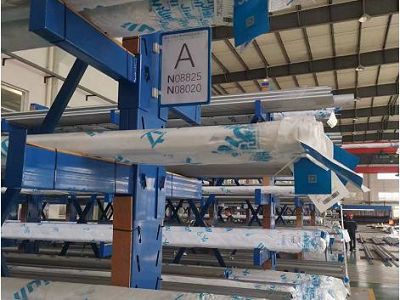
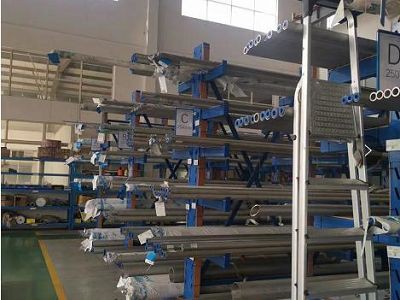
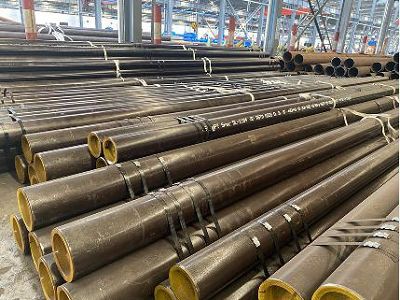
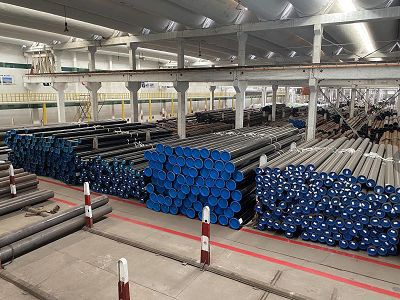
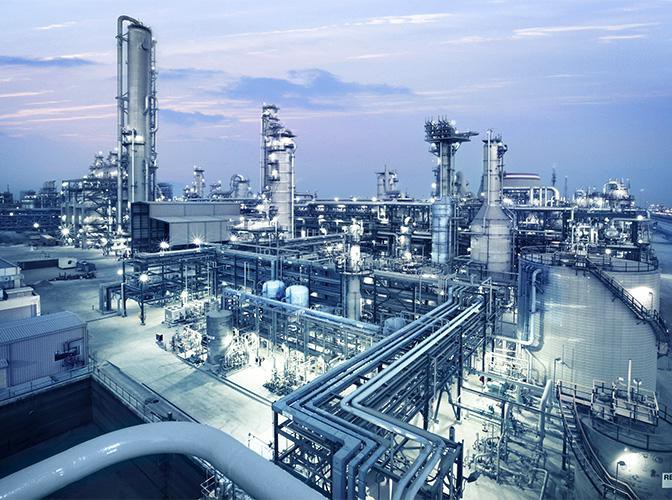
STEELBOND PTE LTD is a leading steel distributor established in 2014 in Singapore, we offer a diverse range of ferrous and non-ferrous products from reputable and accredited mills and We have a strong supply chain with major stockists in China and other Asia area to meet the Stringent requirement with your project.
Driven by its customer-focus value, STEELBOND PTE LTD has consistently applied innovative and best-practice processes to give its clients reliable products and on-time services.
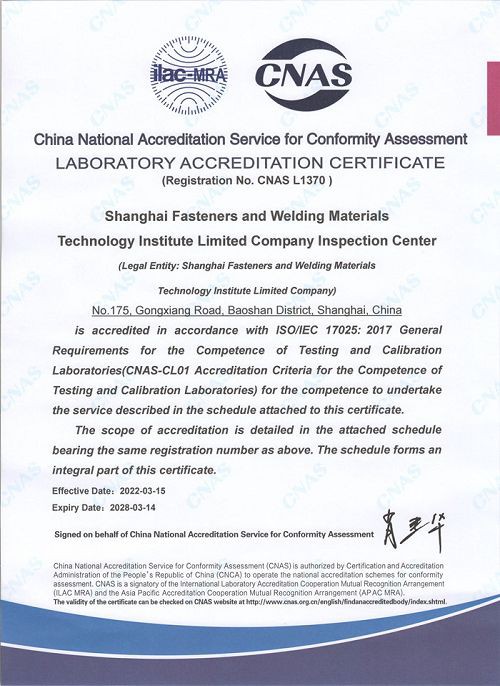
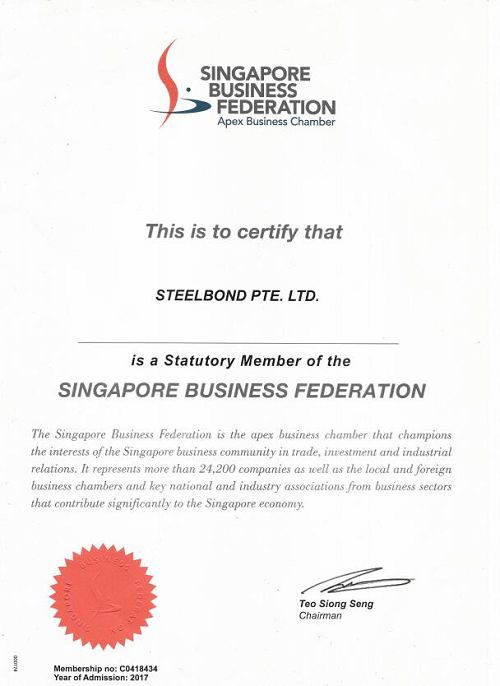
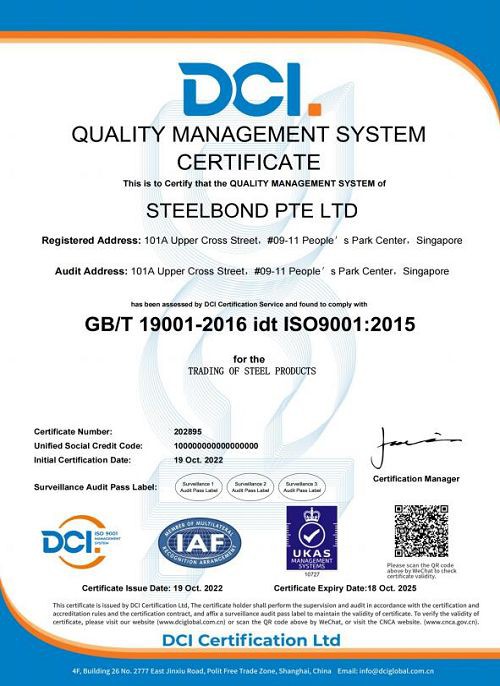
Our Certificate
FAQ
Q: Is 304 stainless steel High Quality?
Q: Is 304 stainless steel safe to eat from?
Q: Does 304 stainless steel rust?
Q: Is 304 stainless steel safe to wear?
Q: What’s better, 304 or 316 stainless?
Q: Is 304 stainless ok for drinking water?
Q: How long does 304 stainless steel last?
Q: Is 304 stainless steel medical grade?
Q: Can you shower with 304 stainless steel?
Q: Can you shower with 304 stainless steel?
Q: How can you tell if stainless steel is 304?
Q: Is 304 stainless steel skin safe?
Q: Is stainless steel 304 safe for food?
Q: Is 304 stainless steel good quality?
Q: Is 304 stainless steel BPA free?
Q: How do I know if I have 304 or 316?
Q: Should 304 stainless steel rust?
Q: Is 304 or 316 better for a kitchen?
Q: Is Stainless Steel 304 safe for cooking?
Q: Is Stainless Steel 304 cheap?
Hot Tags: 304 stainless plates, China 304 stainless plates manufacturers, suppliers, factory
Send Inquiry
Tell us the grade, size and quantity you need — we reply within 24 hours.