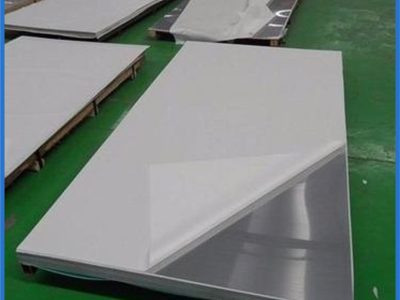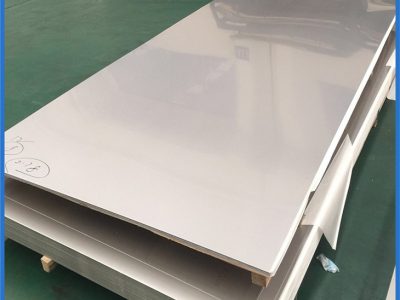
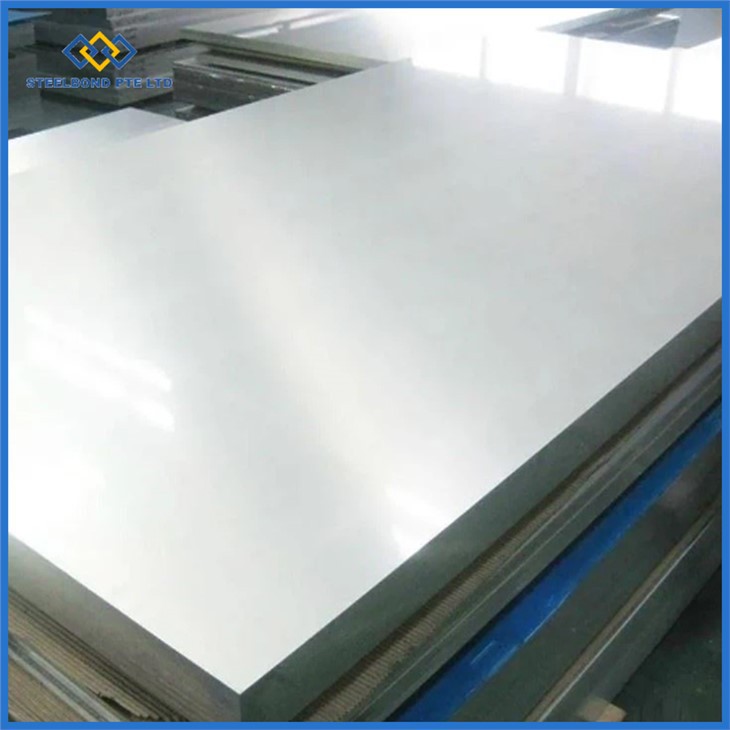
Pressure Vessel Steel Plate
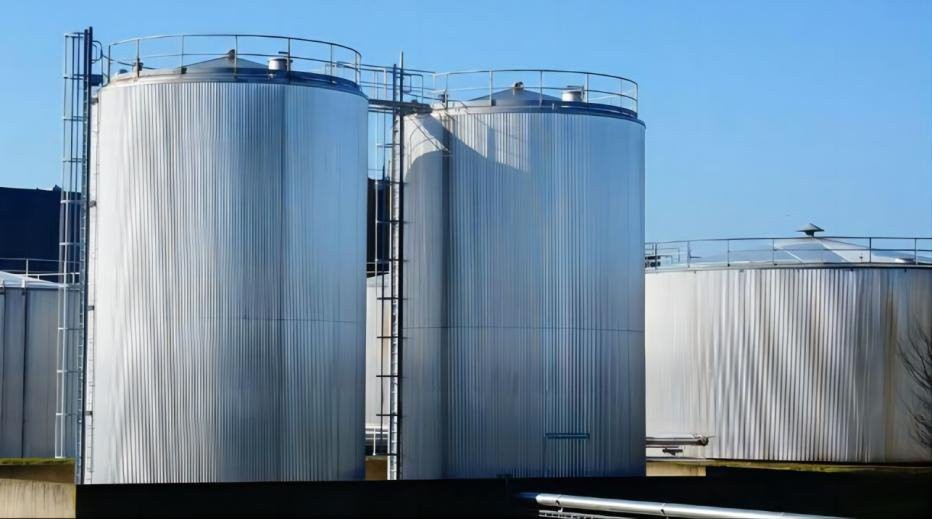
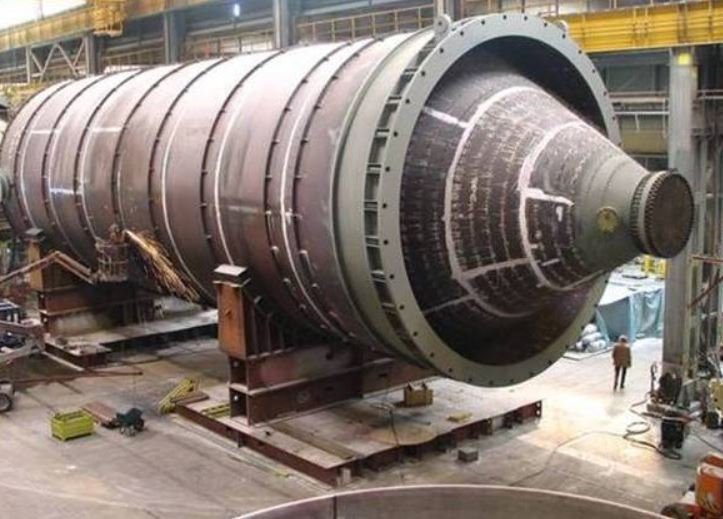
Pressure vessels are defined as closed containers that hold gases or liquids at a pressure substantially different than the ambient pressure.
Product Introduction
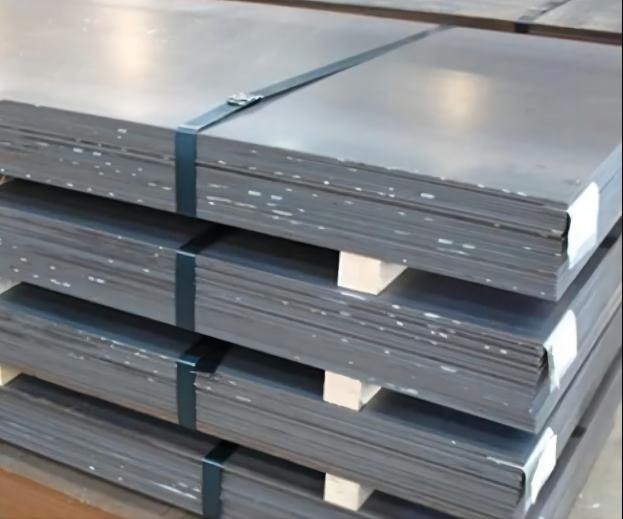
Pressure Vessel Steel Plate are containers that are sealed and used to contain gases or liquids at pressures that are significantly different from the surrounding environment. The production of pressure vessels is subject to strict regulations and quality testing due to the paramount importance of their reliability and safety. Pressure vessels find extensive usage in several sectors, predominantly in energy and transportation industries, to serve multiple purposes. The exceptional tensile strength, ductility, fatigue behavior, and notch toughness of pressure vessel quality (PVQ) steel plate make it the preferred material for constructing pressure vessels.
Strength: The load the steel can bear. The yield point and tensile strength determine the strength of steel. The yield point refers to the stress level at which a material undergoes deformation without fracturing. The tensile strength is the level of stress required for the material to fracture.
Notch Toughness: The level of impact steel can absorb before denting, typically measured by a Charpy Impact test.
For pressure vessel applications, ASTM A516 and ASTM A537 are popular choices of PVQ steel due to their favorable combination of strength and ductility, despite there being other grades available. ASTM A516 is a type of carbon steel with a lower to medium carbon content that offers exceptional strength-to-weight ratio, remarkable ductility, and excellent machinability. ASTM A516 comes in four different grades, each with its unique level of strength: 55, 60, 65, and 70. A516 is a PVQ steel grade that offers exceptional machinability, particularly when compared to other grades. This makes it an excellent choice for the manufacture of welded vessels, such as boilers or storage tanks, where the steel must be shaped and formed into a curved structure. To maintain low carbon levels while enhancing strength, additional elements such as manganese, phosphorus, sulfur, and silicon are introduced for hardening and reinforcing purposes. Each grade has varying levels of each element, which are detailed in the chart below.
The high yield and tensile strength of A516 grades make them capable of withstanding high levels of stress, energy, and weight without deformation or fracture. In PVQ steel, yield and tensile strength are crucial in maintaining the structural integrity of the vessel and preventing any deformation or breakage that may result in the hazardous release of materials contained within the vessel. Below is a chart detailing the yield point, tensile strength, and elongation of each grade of A516. ASTM A537 is a type of heat-treated carbon steel that is commonly utilized for manufacturing boilers and pressure vessels intended for applications involving oil, gas, and petrochemical materials. ASTM A537 exhibits comparable machinability and ductility to ASTM A516, however, its strength and hardness are greatly enhanced through the process of heat treatment. Similar to A516, A537 can undergo normalization. However, it also has the option of being subjected to quenching and tempering, which is another type of heat treatment. Quenching and tempering is a dual-stage procedure that involves heating steel to an exceptionally high temperature and rapidly cooling it with water (quenching), followed by re-heating it to a temperature lower than its critical point and letting it cool naturally. Heat treatment enhances the yield and tensile strength of the A537 steel grades beyond that of the A516 grades, in addition to the inherent strength provided by their chemical composition. Due to its superior strength and durability, A537 grade steel is capable of withstanding significant stress, weight, or energy without deformation or fracture.
Thickness Range: 70-200 mm
Width Range: 3,400 mm max. (dependent on thickness and steel grade)
Length Range: 13,200 mm max. for quenched and tempered plates (9,000 mm max. for thicknesses 150–200 mm)
Origin of raw materials: China, USA, Europe, Japan, Korea
Brand we mainly distributed: Dillinger Hutte, JFE Steel Corporation, Voestalpine AG, Wuyang, Nippon teel & Sumitomo Metal Corporation, POSCO Steel, Dongkuk Steel, Krakatau Posco, Nanjing Iron & Steel Co. (NISCO), Jiangyin Xing cheng Special Steel (JYXC), JWS
Value addedS services available: Cut-to-length, Laser cutting, Edge preparation, Welding, Color coding, Bending, and mechanical processing
Package: bundled by steel strip, Standard seaworthy export packing
Hot Tags: pressure vessel steel plate, China pressure vessel steel plate manufacturers, suppliers, factory
Send Inquiry
Tell us the grade, size and quantity you need — we reply within 24 hours.