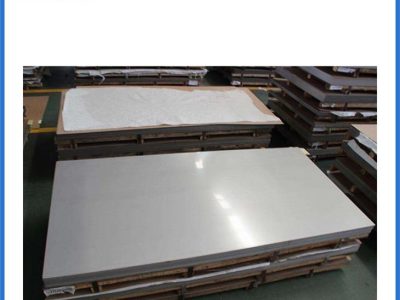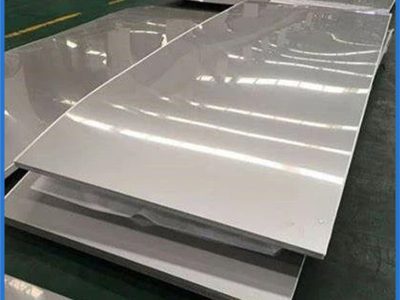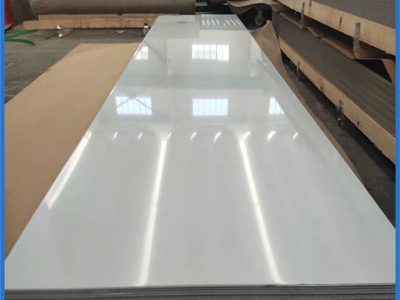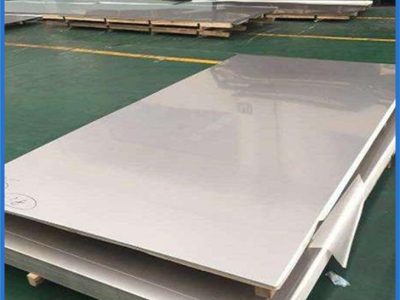
Alloy 825 Plate
Alloy 825 plate is a nickel-iron-chromium alloy with copper, molybdenum and titanium additions.
Product Introduction
What Is Alloy 825 Plate?
Alloy 825 plate is a nickel-iron-chromium alloy with copper, molybdenum and titanium additions. It offers excellent corrosion resistance in various media, including oxidizing and reducing acids, hot seawater, and chloride environments. The combination of high strength and excellent corrosion resistance makes this alloy popular in marine applications such as piping systems, pumps, valves and tanks. Furthermore, it is highly resistant to stress corrosion cracking (SCC), pitting and crevice corrosion making it well-suited for these demanding environments.
Corrosion resistance
The alloy has excellent corrosion resistance. Due to the high nickel content, it has excellent resistance to chloride ion stress induced corrosion cracking. The austenitic structure is very stable. The presence of copper and molybdenum makes the alloy resistant to acids and reducing agents. The alloy resists anxiety corrosion cracking, intergranular corrosion, crevice and pitting, general corrosion, etc. It is particularly useful in environments such as seawater, oil wells, phosphoric acid, sulfuric acid, etc.
Multiple applications
Alloy 825 has a variety of uses such as phosphoric acid evaporators, sulfuric acid piping and containers, propeller shafts, electrostatic precipitator electrodes, chemical process equipment, water heaters, tank trucks, ship exhaust systems, expansion bellows, and ammonium sulfate containers. It is also suitable for power station ash hoppers, pickling tanks, pickling tank heaters, and heating containers for seawater, food, and water. For more information on incoloy alloy, click here.
Ease of welding
The alloy can be welded extremely easily by conventional processes such as saw, smaw (manual), gtaw (tig), and gmaw (mig). The joints must be completely clean to avoid contamination of the weld pool. Ease of welding makes 825 alloy very useful.
Ease of fabrication
The alloy can be easily cold worked or hot worked. Cold forming the alloy is more convenient than stainless steel. Hot working temperatures must be in the range of 870–1180°c and can be accomplished at 870–980°c. Hot worked parts need to be stabilized before use for optimum corrosion resistance. Sections larger than wire, plate, and strip need to be quenched to prevent sensitization.
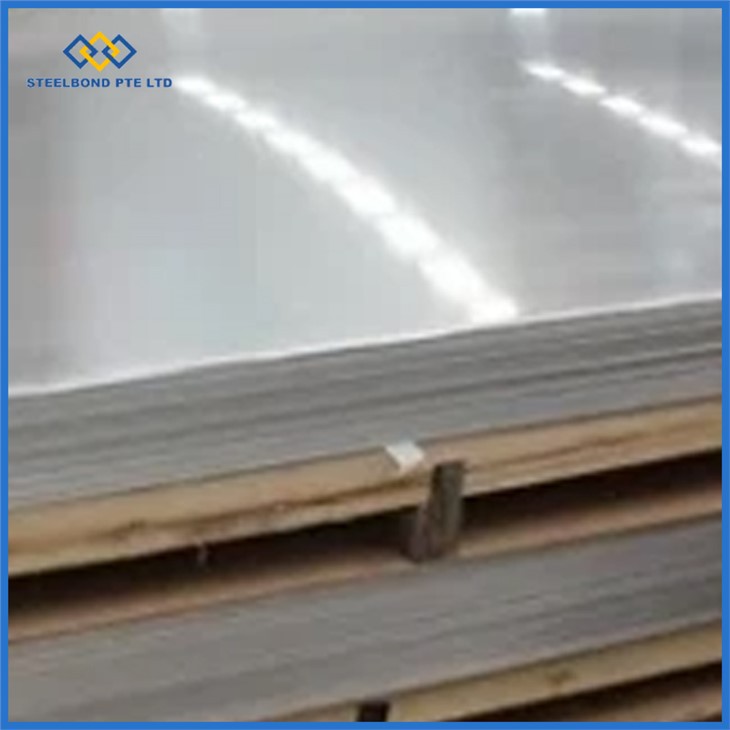
INCONEL® (nickel-chromium-iron) alloy 600 (UNS N06600/W.Nr. 2.4816) is a standard engineering material for applications which require resistance to corrosion and heat.
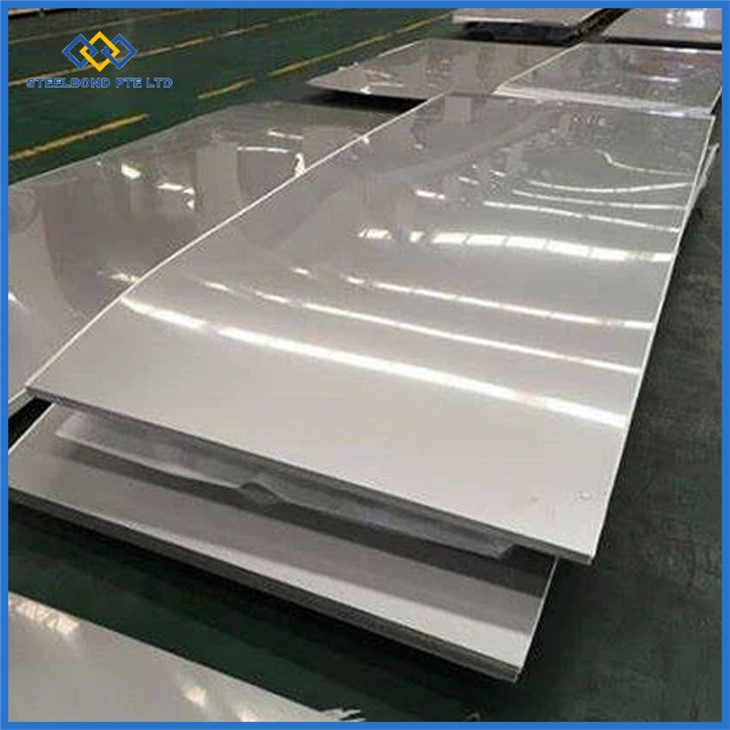
INCOLOY alloy 800 (UNS N08800/W. Nr. 1.4876) is a widely used material for construction of equipment requiring corrosion resistance, heat resistance, strength, and stability for service up to 1500°F (816°C).
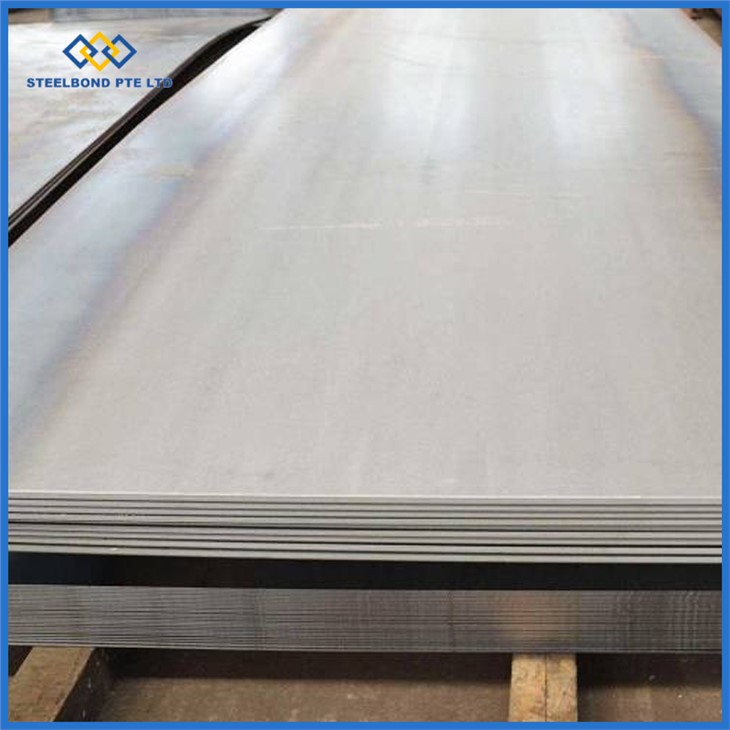
INCONEL® nickel-chromium alloy 625 (UNS N06625/W.Nr. 2.4856) is a nonmagnetic, corrosion and oxidation resistant, nickel-base alloy.
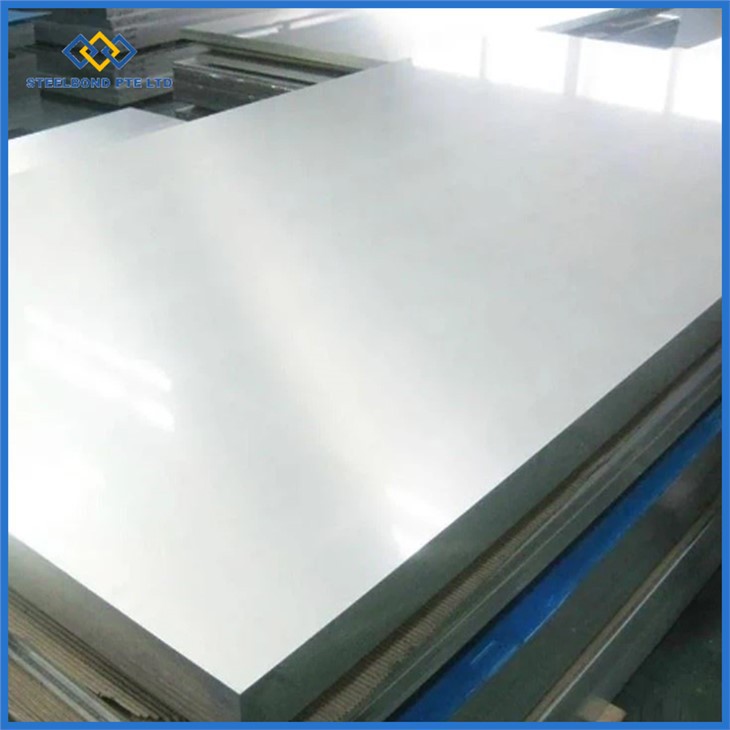
Alloy 410S (UNS S41008) is a low carbon, non–hardening modification of Alloy 410 (UNS S41000) the general purpose 12% chromium martensitic stainless steel.
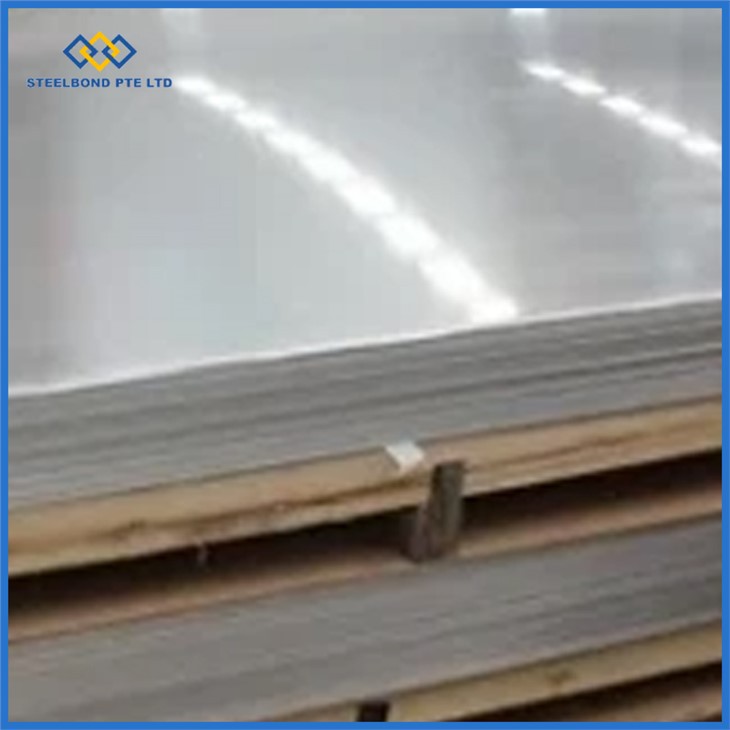
S32205 And S31803 Duplex Stainless Plates
Duplex stainless steel grades have a ferritic-austenitic microstructure, with a phase balance of approximately 50% ferrite and 50% austenite.
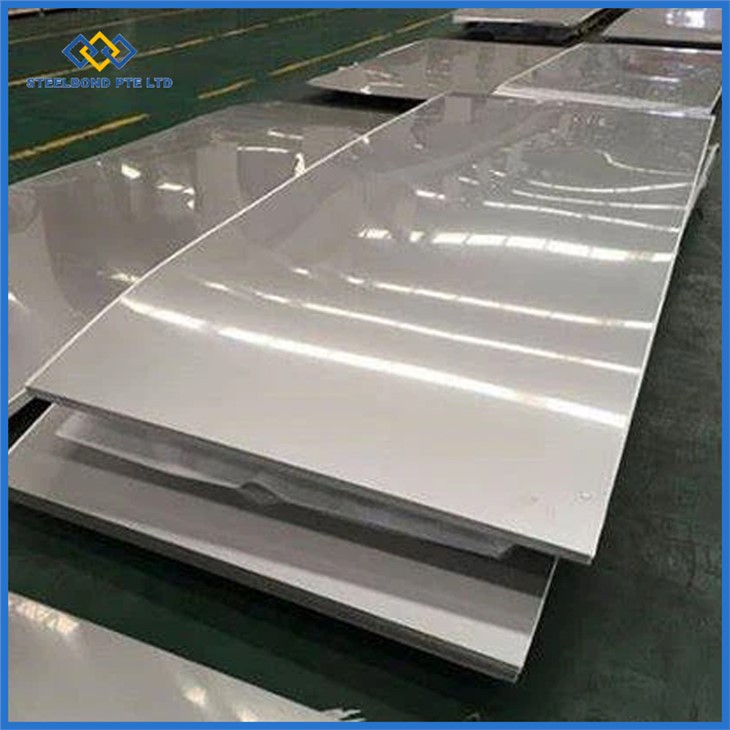
High Strength Steel Plate is a material used to make several products from plates to sheets. The properties inherent by these plates depend upon the elements added to them.
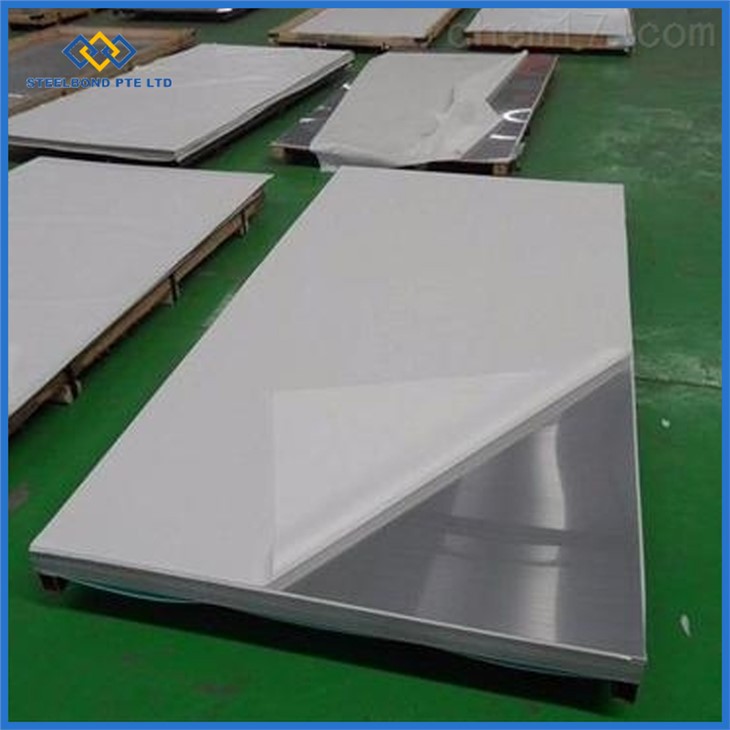
Carbon steel plate usually been considered as the steel that does not contain much alloy steel elements. Generally, elements are C, Mn, P, S, Si, besides these there are no minimum limits for elements of Al, Cr, Ni, Mo, V etc.
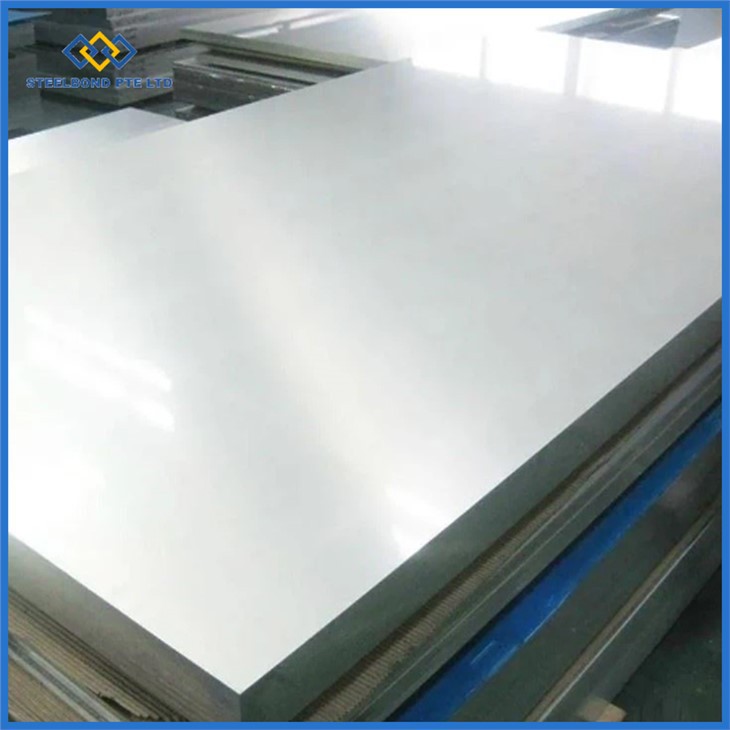
Pressure vessels are defined as closed containers that hold gases or liquids at a pressure substantially different than the ambient pressure.
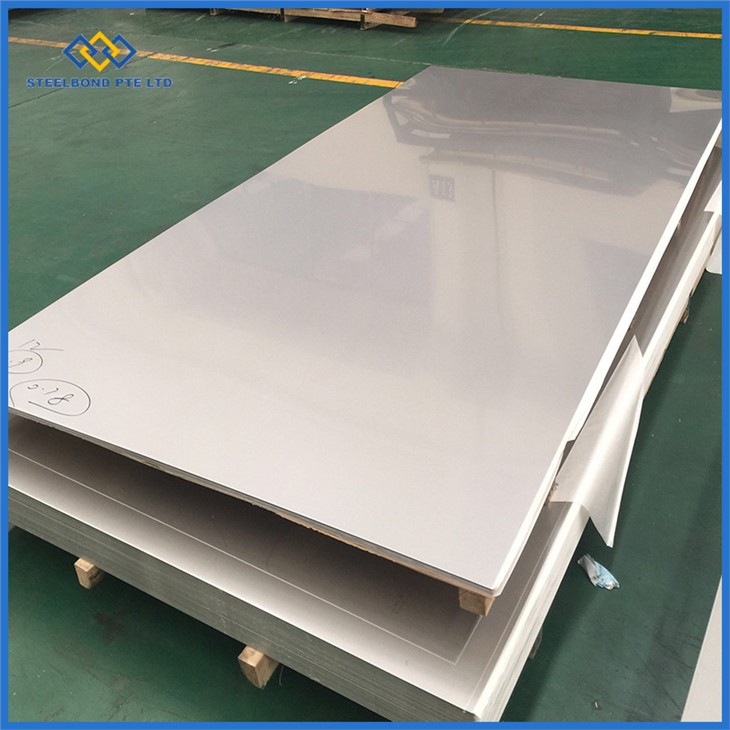
Offshore and marine steel plate is specifically certified for use in maritime projects by regulatory organizations, including the American Bureau of Shipbuilding (ABS).
Why Choose Us
Strong production chain
We have a strong supply chain with major distributors in China and other Asian regions to meet the stringent requirements of your project.
Professional team
STEELBOND PTE LTD has the most professional quality assurance team to ensure that AML and technical requirements are met, while providing quality products and services on time at the most competitive prices.
High-quality products
Committed to providing high-quality products and services efficiently, ensuring project safety, and making the world know more about Chinese steel.
Product diversification
The main inventory includes pipes and bars of stainless steel, duplex stainless steel, super duplex stainless steel, nickel alloy, Hastelloy and other grades.
Types of Alloy 825 Plate
Brushed aluminum plate
The manufacturing process of repeatedly scraping the aluminum plate out of lines with sandpaper. The main process of process is divided into 3 parts: de-esterification, sand mill and water washing.
Anodized aluminum plate
The aluminum plate is formed by placing the aluminum plate in the corresponding electrolyte (such as sulfuric acid, chromic acid, oxalic acid, etc.) as the anode, and performing electrolysis under specific conditions and applied current.
PS aluminum plate
Advertisement aluminum plate, also known as printed zinc plate, newspaper plate. That is an aluminIum plate with a printed pattern on the back and a thickness of 025 or 03.
Mirror aluminum plate
Refers to the aluminum plate that is processed by rolling, grinding and other methods to make the surface of the plate show a mirror effect.
Embossed aluminum plate
Also known as an aluminum embossed plate, a double-sided pattern, which belongs to aluminum products with various patterns formed on the surface after calendering based on the aluminum plate. It is widely used, mainly used in packaging, construction, curtain wall, etc.
Patterned aluminum plate
One side with a pattern, which is made by rolling a steel rod with a concave and convex pattern.The most common one on the market is the aluminIum plate with five-rib patterns. The five concave-convex patterns are arranged relatively parallel, and each pattern has an included angle of 60-80 degrees or 90 degrees perpendicular to other patterns, so this pattern has excellent anti-skid performance.
Application of Alloy 825 Plate
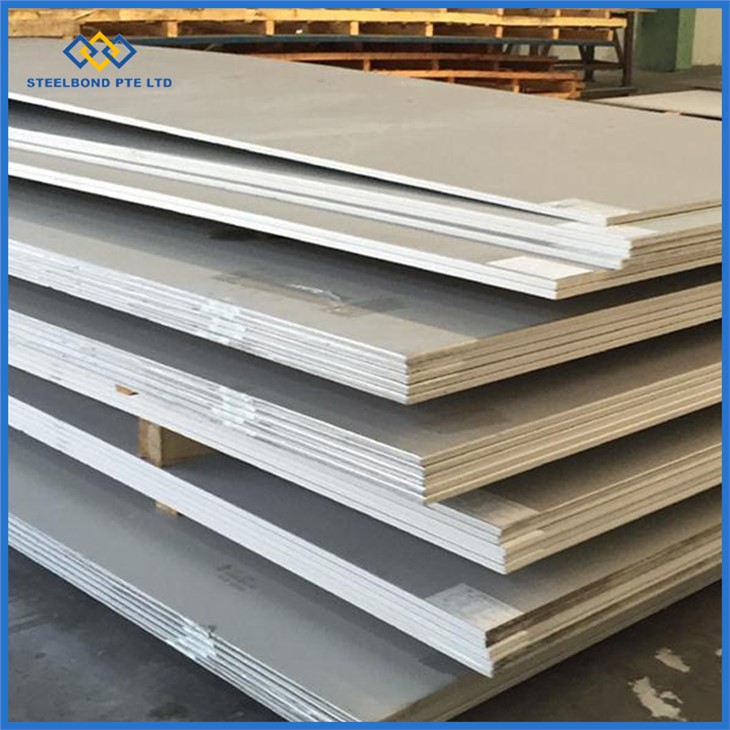
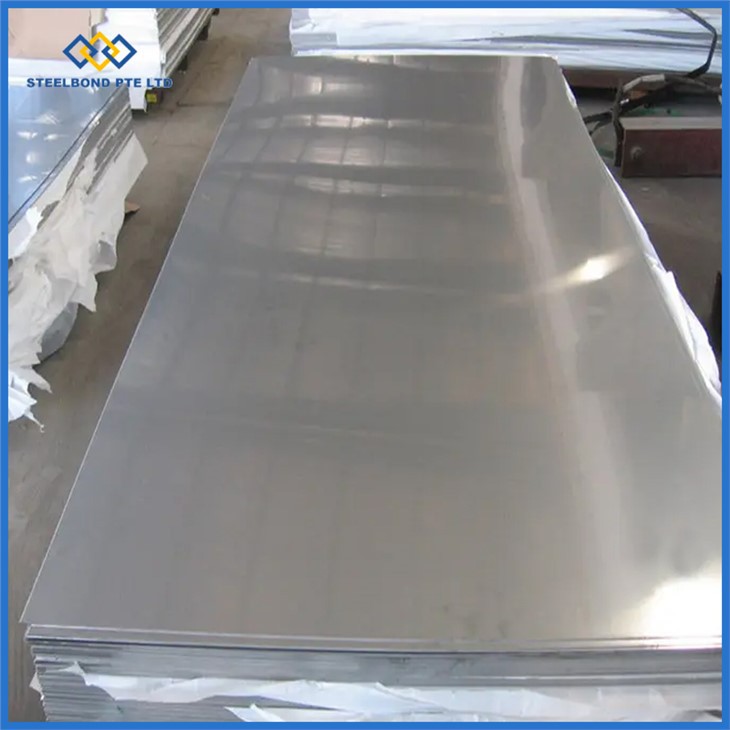
Chemical industry
Alloy 825 is widely used in the chemical industry, mainly used to manufacture various corrosion-resistant equipment and pipelines, such as sulfuric acid production equipment, chloride production equipment, nitric acid production equipment, etc. These equipment and pipelines are designed to operate reliably over long periods of time when handling corrosive media.
Oil & gas sector
In the process of oil extraction, refining and transportation, 825 alloy can be used to manufacture oil well casing, oil refining equipment, oil pipelines, etc., to cope with harsh corrosive environments.
The alloy is also used in the manufacture of various corrosion-resistant pipes, valves, pumps and other equipment to ensure the safe transportation and processing of oil and gas.
Marine engineering field
Due to its good adaptability to marine environments such as seawater and salt spray, 825 alloy has also been widely used in the field of marine engineering. For example, the manufacture of key components such as the pillars of offshore platforms, propeller shafts of ships, as well as offshore drilling platforms, submarine pipelines, offshore vessels, etc.
Environmental protection field
With the increasingly stringent environmental protection requirements, the application of 825 alloy in the field of environmental protection has gradually increased. For example, it is used in the manufacture of waste gas treatment equipment, sewage treatment equipment, etc., which can maintain long-term stable corrosion resistance when treating pollutants such as exhaust gas and wastewater.
Nuclear industry
Alloy 825 is also used in the manufacture of components for nuclear reactors, such as pipes and vessels in nuclear fuel reprocessing systems, because of its resistance to corrosive effects from high-temperature gases and radioactive waste.
Other areas
Alloy 825 is also widely used in the medical field, for the manufacture of surgical instruments and implants, etc. In addition, there is also 825 alloy in the fields of energy and food processing.
Tips for Choosing the Right 825 Alloy Plate
Dimensional accuracy is critical
If your project requires excellent dimensional accuracy and minimal deformation during machining, 825 alloy plate is undoubtedly the best choice. Its excellent dimensional stability allows for the manufacture of high-precision components.
Thermal stability is critical
In high-temperature applications, maintaining precise dimensions is critical, so 825 alloy plate is essential. Its excellent thermal stability ensures minimal dimensional changes even in high-temperature environments.
Machinability is the primary consideration
For projects that require complex machining operations with tight tolerances, the free-cutting characteristics of 825 alloy plate and minimal deformation during machining make it a top choice.
Cost is a major factor
If budgetary constraints are the primary consideration, aluminum cast plate offers a more cost-effective solution compared to 825 alloy plate.
Dimensional accuracy is less critical
When precise tolerances are not critical to the application and slight variations in plate dimensions are acceptable, aluminum cast plate can be a suitable choice.
Production speed is important
For projects with tight deadlines, a faster aluminum cast plate production process has advantages.
A Standard Method for Indicating the Different Aluminum Grades
Aluminum alloys are categorized by an industry-standard four-digit number that distinguishes them based on their primary alloying elements. The first digit identifies the series or type of aluminum alloy. Here’s a detailed look at some common aluminum series.
The 2000 series uses copper as the primary alloying element, making it heat-treatable to enhance strength and toughness. Although this improves the alloy’s workability, it also reduces its corrosion resistance compared to other aluminum grades. Aluminum 2024, a widely used aircraft alloy, exemplifies aluminum copper alloys in this series.
In the 5000 series, magnesium is the primary alloying element, providing moderate to high strength and excellent corrosion resistance, especially in marine environments. These alloys, such as aluminum 5083, also offer good weldability and are used in marine structures and transportation applications, benefiting from their good corrosion resistance.
The 6000 series alloys incorporate both magnesium and silicon, making them heat-treatable for improved strength. These versatile silicon alloys are commonly used in welding fabrication, extruded architectural components (e.G., windows and doors), and structural applications such as truck and marine frames. Aluminum 6061 is the most widely used aluminum grade in this series.
The 7000 series employs zinc as the primary alloying element, often combined with smaller amounts of magnesium, copper, and chromium to create heat-treatable, high-strength alloys.
Aluminum 7050 and 7075 are notable examples of aluminum grade alloys used extensively in aircraft manufacturing due to their exceptional strength and toughness. These alloys often have lower thermal conductivity compared to pure aluminum but are valued for their high strength-to-weight ratio.
How To Maintain Alloy 825 Plate
Regular cleaning
The first step in maintaining an aluminium alloy sheet plate is regular cleaning. The plate should be cleaned using a mild detergent or a soap solution and a soft-bristled brush or sponge. The cleaning should be done gently to prevent scratching or damaging the surface. After cleaning, rinse the plate with clean water and dry it using a soft cloth or air drying. Avoid using harsh chemicals or abrasives, as they can cause damage to the surface.
Lubrication
Aluminium alloys 825 sheet plates require proper lubrication to ensure optimal functionality and reliability. Different lubricants, including light oils such as mineral oil or silicone grease, dry film anti-seize compounds with molybdenum disulfide additives, and polytetrafluoroethylene (ptfe), can be used. For best results, the lubricant should be applied directly to the sheet’s surface and then spread evenly using a roller or brush. Any trapped air pockets must be eliminated to avoid reduced sheet performance due to frictional forces. Additionally, it is recommended that any excess oil or grease be wiped off before use to reduce contamination.
Proper storage
Aluminium alloys 825 sheet plate must be stored in a cool, dry area free of dust and other contaminants. The material should also be kept away from excessive heat sources, such as heaters and direct sunlight, to prevent potential corrosion or oxidation. Furthermore, it is important to ensure that the metal does not come into contact with moisture as this can cause galvanic corrosion, which may damage the aluminium alloy 825 sheet plate. The material should always be handled using clean gloves or a protective coating to avoid surface damage.
Regular Inspection
Regular inspection and testing of aluminium alloy 825 sheet plates are important to ensure the highest quality product. Visual inspection should be done according to the standard procedure, along with hardness tests such as rockwell, brinell and vickers tests to assess mechanical properties. Impact toughness tests like charpy or izod should also be conducted for fracture properties. Finally, chemical composition analysis through x-ray fluorescence can help check compliance with material specifications.
Proper Handling
Proper handling of aluminium alloy 825 sheet plate begins with wearing the proper safety gear (e.G., face shield, gloves) when working with the material. Care should be taken to avoid scratching or denting it during loading and off-loading movements from storage/transport vehicles. It is best to use a jigsaw or similar tool specifically designed for cutting aluminium. It is important to prevent overheating, which can weaken the alloy and cause discolouration in a localized area; cooling lubricants like water and air should be used where possible. Finally, protective coatings such as anodizing are recommended to help protect against corrosion and abrasion damage after prolonged exposure to harsh environments – for example, proximity to coastal areas or high-humidity climates.
The speed of natural aging of different alloys of aluminum alloy plates is very different. Some alloys only need a few days, while some alloys need several months or even years to approach a stable state. , the recrystallization process cannot be completed, the supersaturated solid solution cannot be completely synthesized, and some work hardening and quenching effects are still preserved. It is difficult to continue cold rolling without annealing, so it is necessary to stop slab annealing.
It is mainly recognized according to the requirements of the pressure processing technology and the requirements of the material application department for the performance of the product. The annealing standards often used for aluminum alloy materials in industrial production include billet annealing, center annealing and product annealing, which are recrystallized texture, two The most common case of secondary recrystallization texture is that natural aging can start immediately after quenching, or it can start after a certain incubation period. The speed of natural aging of different alloys is very different, and the phenomenon of work hardening cannot be completely eliminated.
In this case, finishing operations such as stretching and straightening can be stopped. Natural aging can start immediately after quenching, or it can start after a certain incubation period. The natural aging speed of different alloys is very different, and some alloys only It can take days, while some alloys can take months or even years to approach a steady state (weighed by changes in performance.
Company Introduction
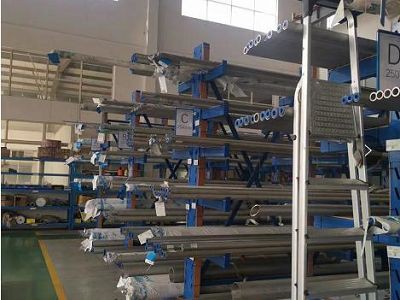
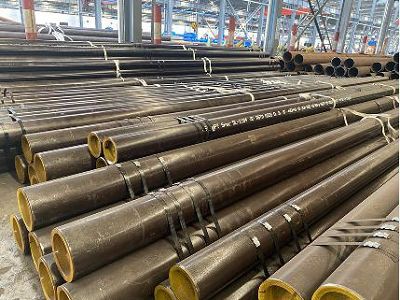
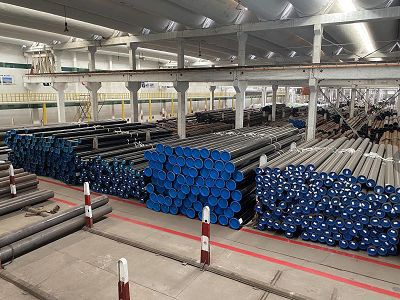
STEELBOND PTE LTD is a leading steel distributor established in 2014 in Singapore, we offer a diverse range of ferrous and non-ferrous products from reputable and accredited mills and We have a strong supply chain with major stockists in China and other Asia area to meet the Stringent requirement with your project.
Driven by its customer-focus value, STEELBOND PTE LTD has consistently applied innovative and best-practice processes to give its clients reliable products and on-time services.
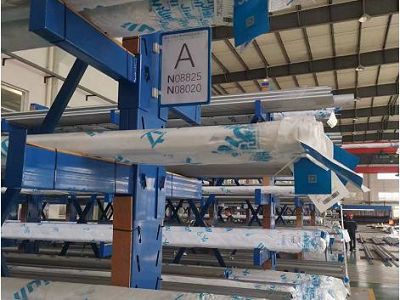
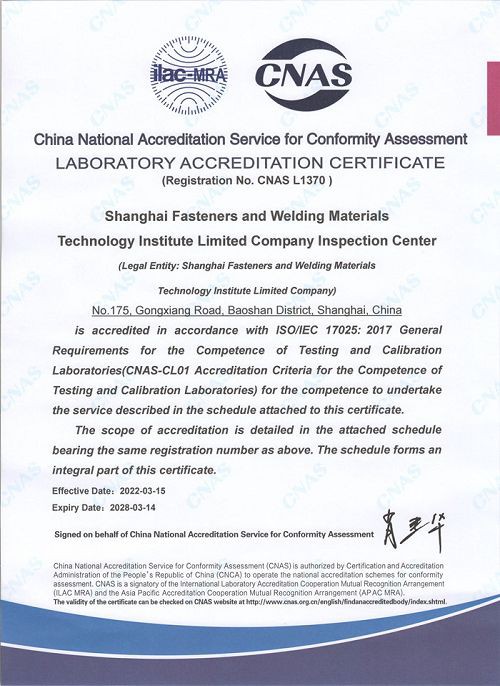
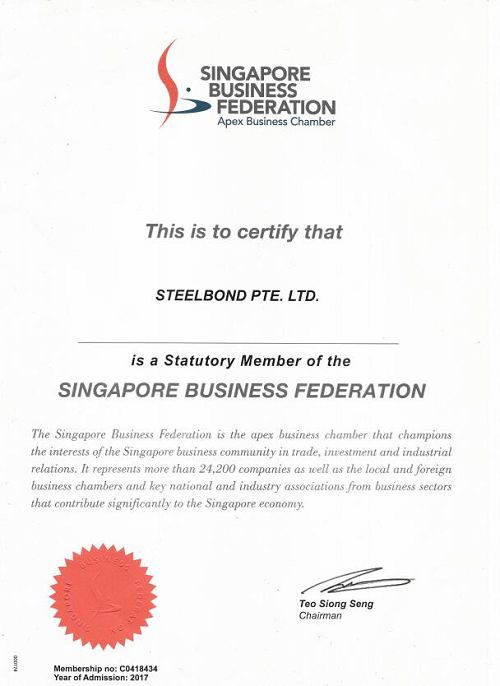
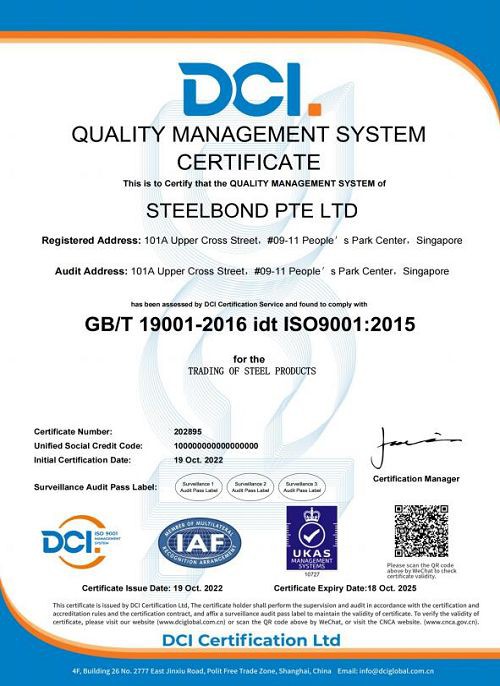
Our Certificate
FAQ
Q: What is alloy 825 material?
Q: What is the difference between alloy 925 and 825?
Q: What is the ASTM equivalent of alloy 825?
Q: What is the trade name for alloy 825?
Q: What kind of metal is 825?
As the 825-hallmark number shows, 82.5 percent pure gold is available in this quantity, and by looking at this purity standard rating, it is known that 82.5% pure gold will be available in this gold jewelry, and the remaining 17.5 % is a mixture of other metals is included.
Q: What is the difference between alloy 800 and alloy 825?
Q: Is 825 or 925 better?
Q: Is 825 white gold or silver?
Q: What is the best alloy for silver?
Q: What is the difference between 625 and 825 alloy?
Q: What is the difference between SS316L and 825 alloy?
Q: What is the pren number for alloy 825?
Q: What material is alloy 825?
Q: What is the difference between alloy 20 and alloy 825?
Q: What is the yield of alloy 825?
Q: Is alloy better than stainless steel?
Q: Is alloy better than steel?
Q: What is the difference between alloy 825 and alloy 925?
Q: Does 825 mean gold?
Q: Is 825 platinum?
Hot Tags: alloy 825 plate, China alloy 825 plate manufacturers, suppliers, factory
Send Inquiry
Tell us the grade, size and quantity you need — we reply within 24 hours.