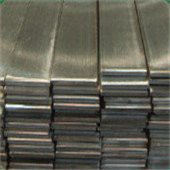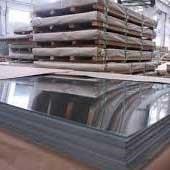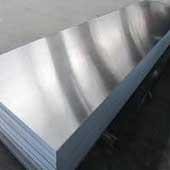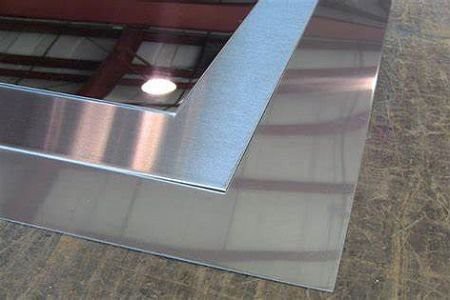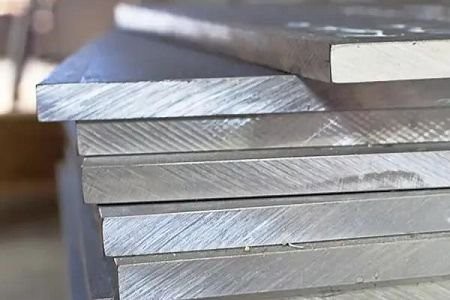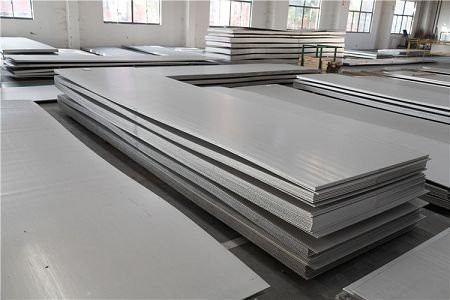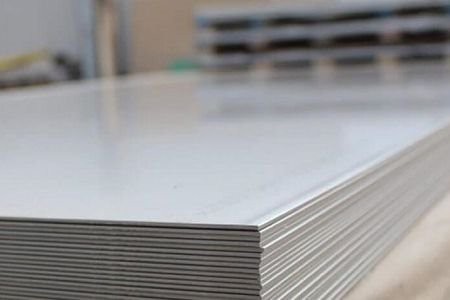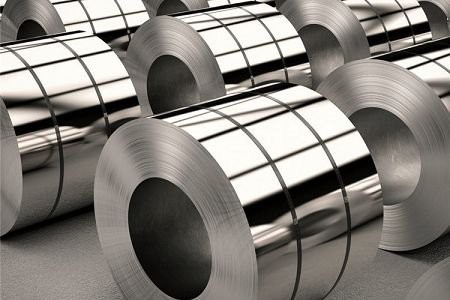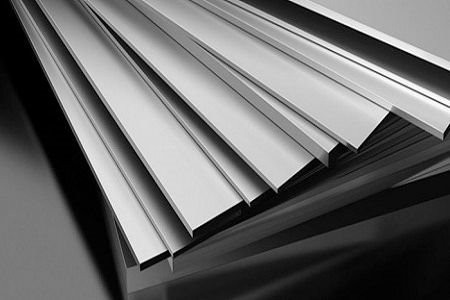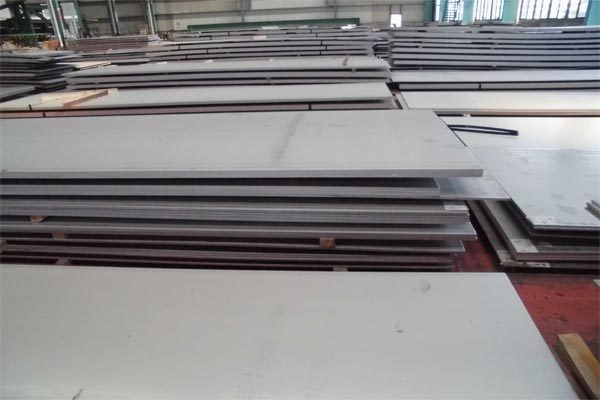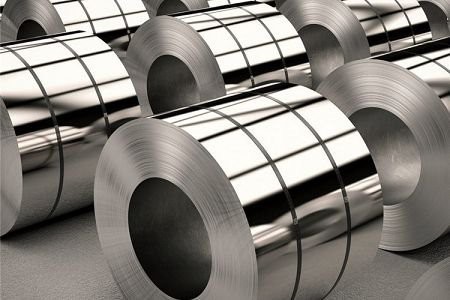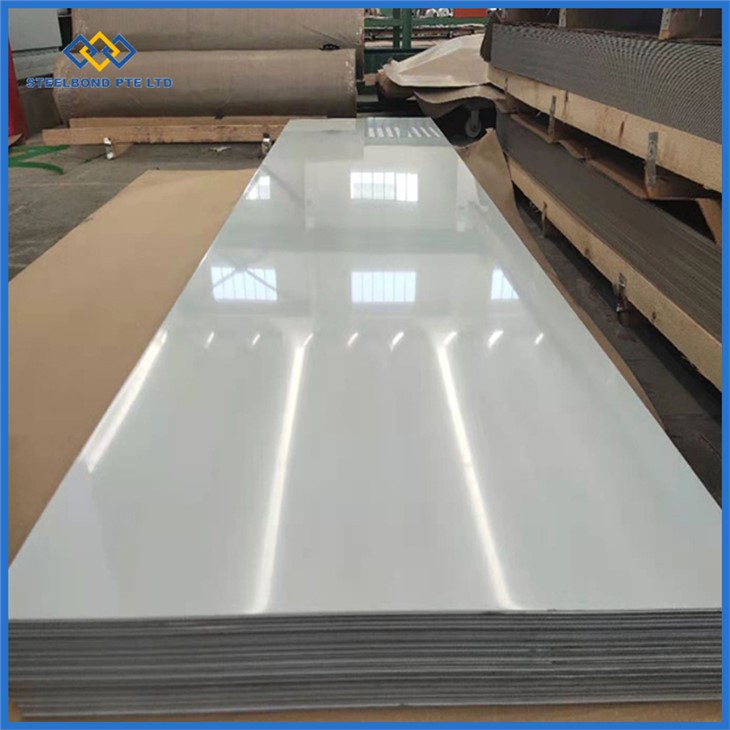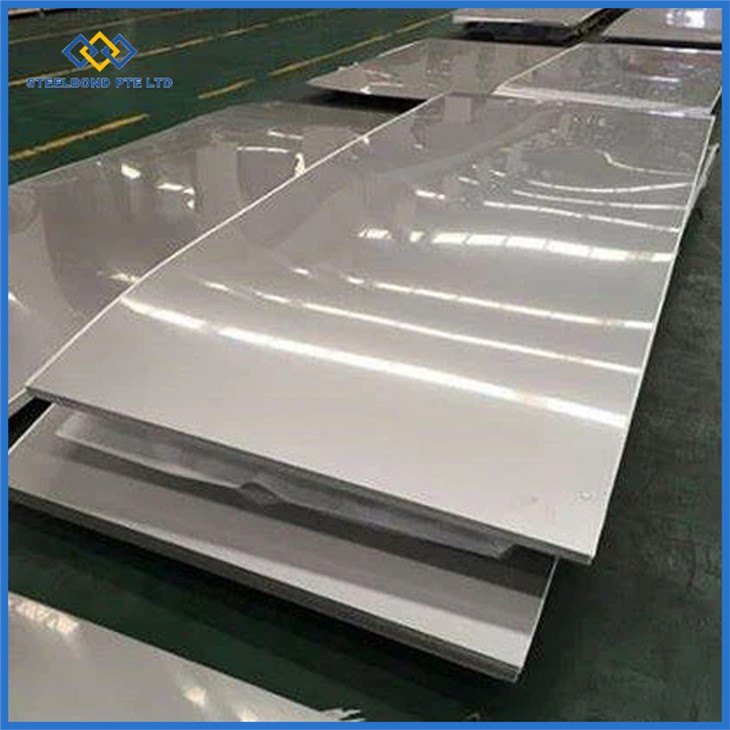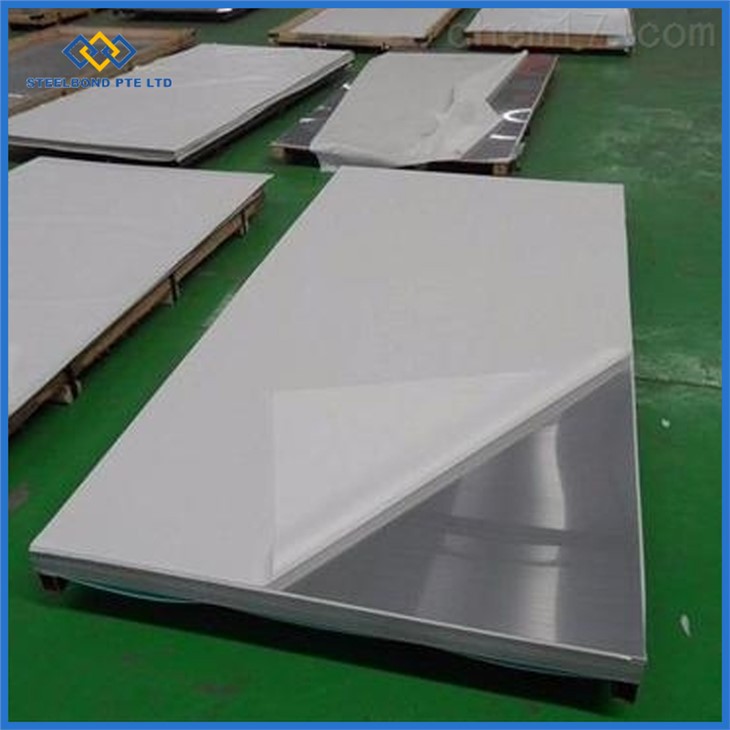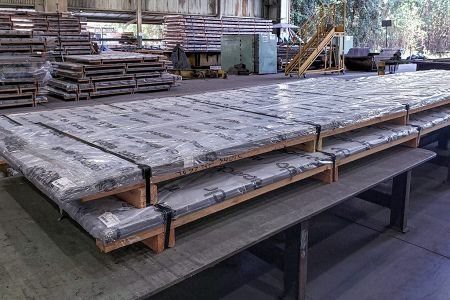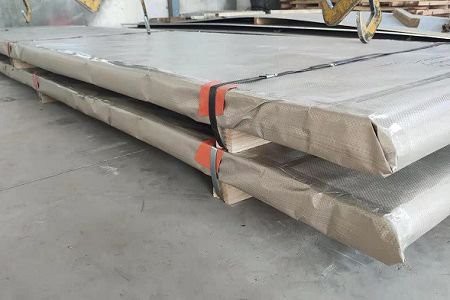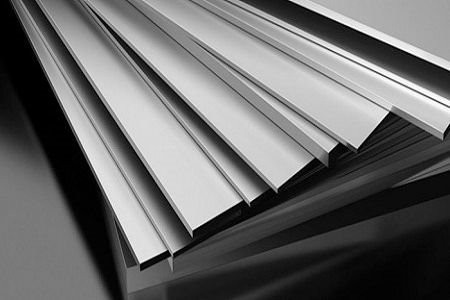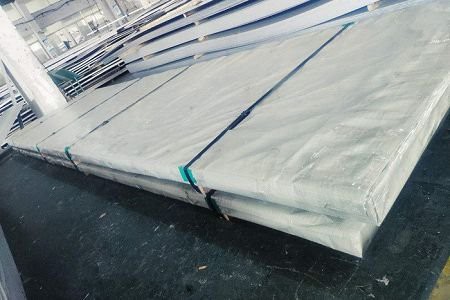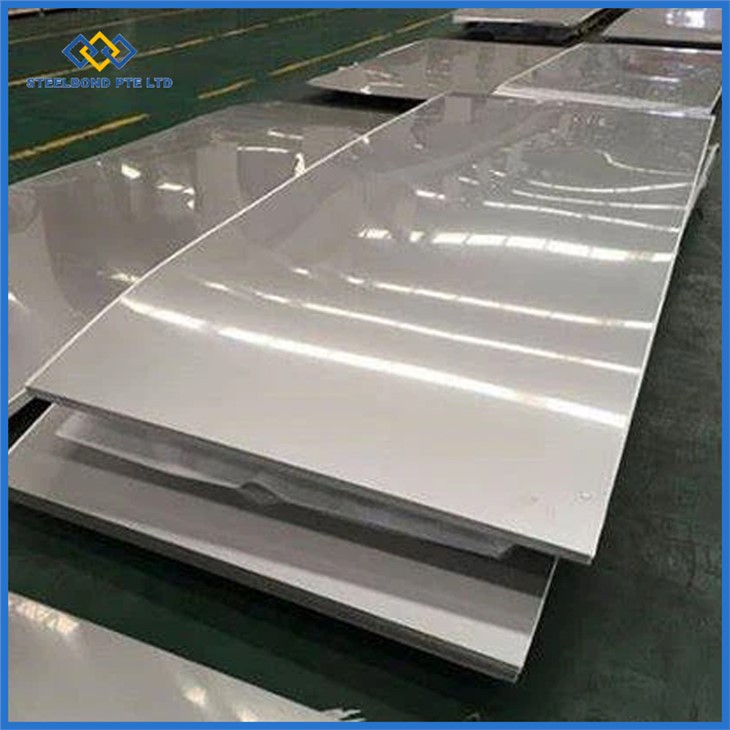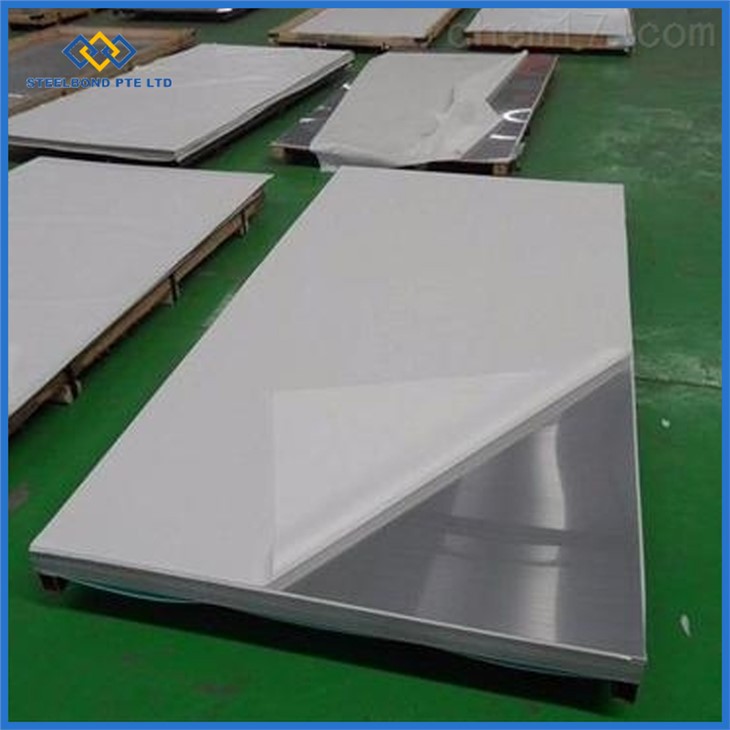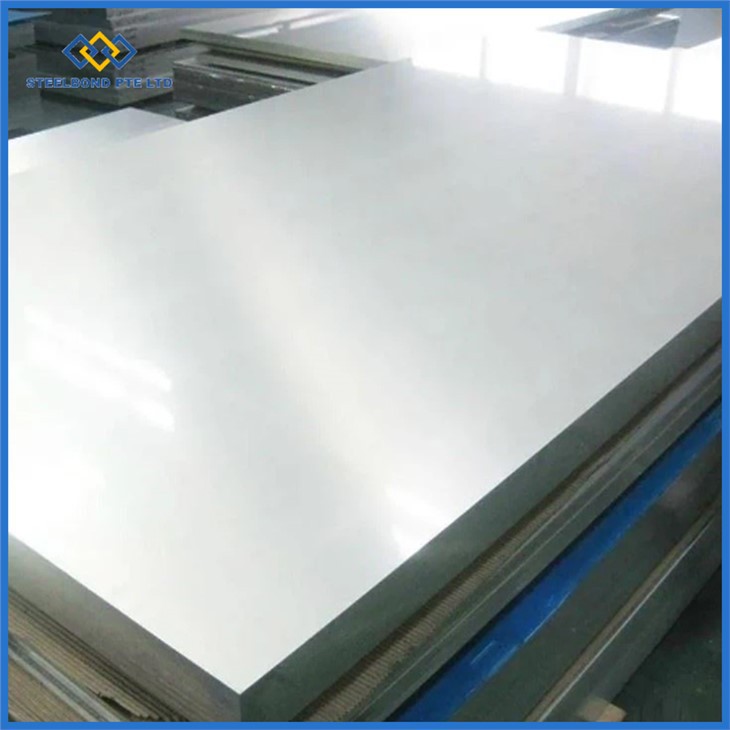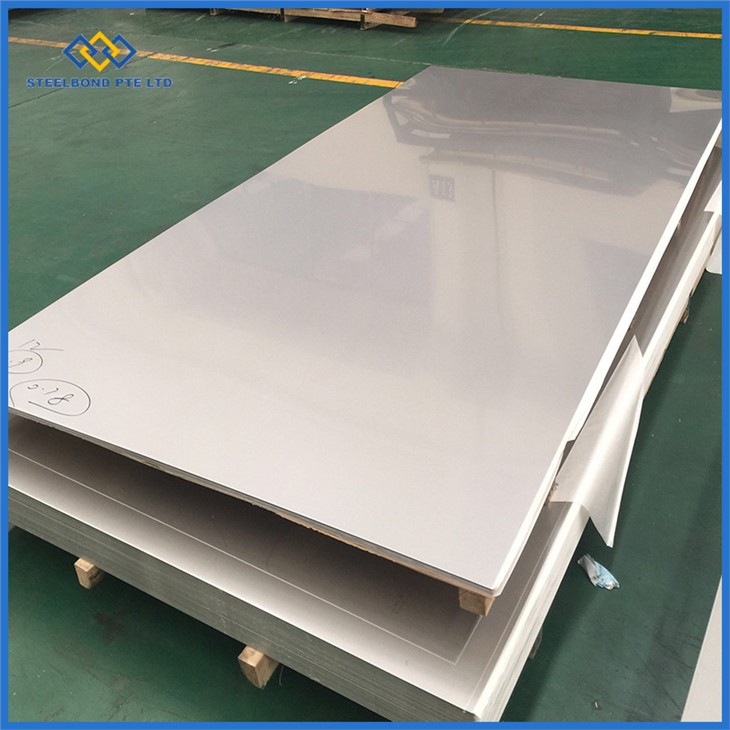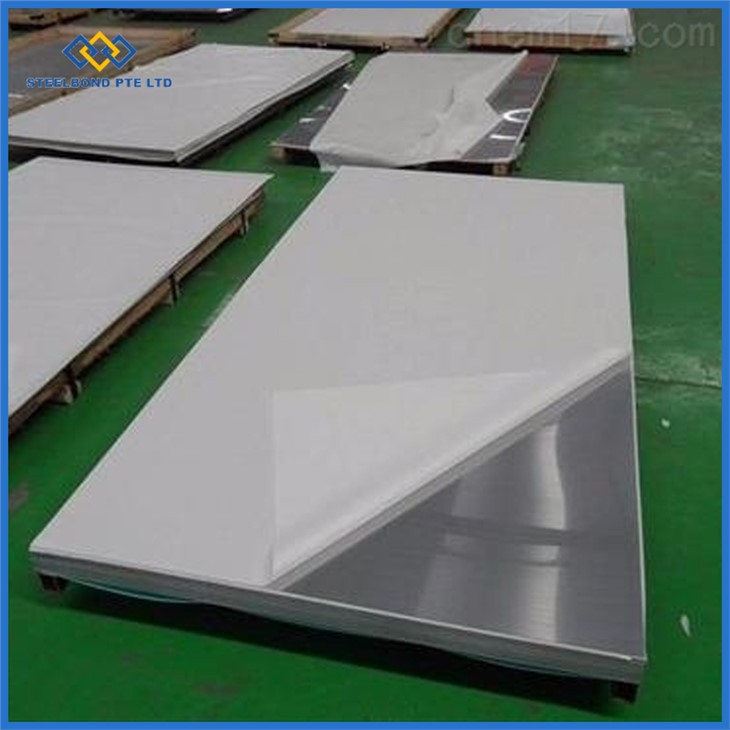
S32750 Super Duplex Stainless Plates

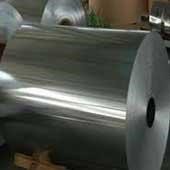
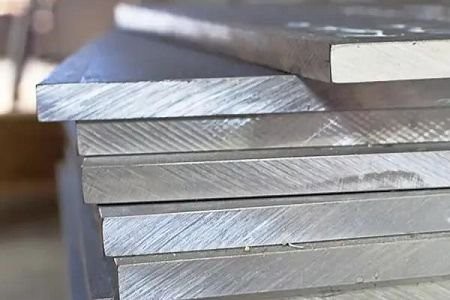
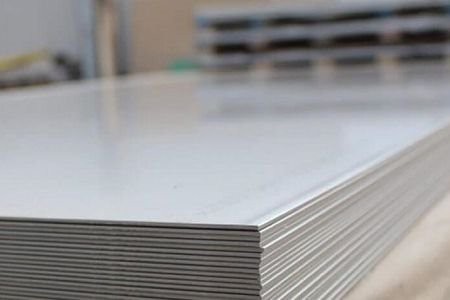
Super Duplex Stainless steel plates & coils

Duplex 2507 (UNS S32750) is a high-performing super duplex stainless steel that boasts exceptional strength and corrosion resistance. It is specifically designed to meet the demands of rigorous applications, including chemical processing, petrochemical production, and equipment used in seawater environments. It contains 25% chromium, 4% molybdenum, and 7% nickel, making it an ideal choice for those seeking unparalleled durability and performance. This type of steel has superior capacity to withstand chloride stress corrosion cracking, boasts exceptional thermal

conductivity, and displays a minimal coefficient of thermal expansion. 


The presence of high levels of chromium, molybdenum, and nickel in this steel contributes to its outstanding ability to resist pitting, crevice, and general types of corrosion.

The high levels of chromium and molybdenum in 2507 steel render it highly tolerant to uniform corrosion caused by organic acids such as formic and acetic acid. 

Steel exhibits outstanding ability to resist inorganic acids, particularly those that are chlorinated.

It is suitable for usage in hydrochloric acid at low concentrations. 

Pitting is not a concern in the zone below the boundary depicted in this figure, however, it is imperative to steer clear of crevices. 

Reducing the amount of carbon significantly decreases the likelihood of carbide precipitation occurring at the boundaries of the grains during the process of heat treatment.

Demonstrates strong resistance to intergranular corrosion caused by carbides. 


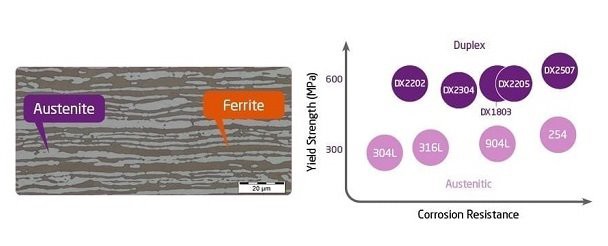
2507’s duplex structure offers superb protection against stress corrosion cracking (SCC) caused by chlorides. S32750 Super Duplex Stainless Plates are especially useful in offshore oil and gas applications and in wells with either naturally high brine levels or where brine has been injected to enhance recovery. Various testing techniques can be employed to determine the pitting corrosion resistance of steels in solutions that contain chloride.

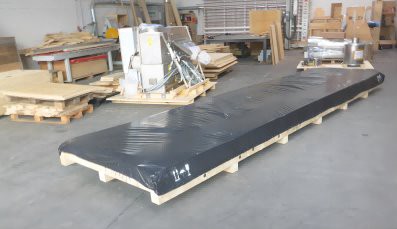
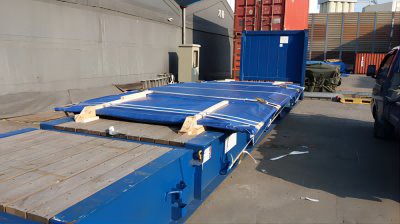
Our efficient logistics department enables us to arrange air, railway, truck, and sea transportation.
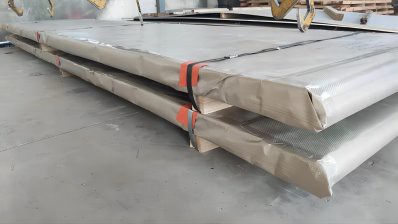
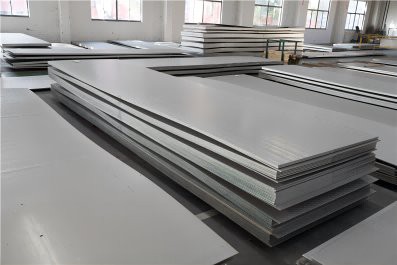
36(1).png

37(1).png


38(1).png

39(1).png

40


Specification

ASTM A240, EN 10088 , ASME SA240

STANDARD

ASME, ASTM, AISI, AMS, JIS, EN, DIN, GB/T

Grade

S32750, 1.4410 – X2 Cr Ni MoN 25.7.4, Z3-CN-25.06 Az.etc

Thickness

0.05~200mm

Size of plates

600~3000mm

Length

6000~18000mm

Delivery condition

Annealed and Pickled

Origin of raw materials

CHINA, USA, EUROPE, JAPAN, KOREA, RUSSIA

The brand we mainly distributed

BAO STEEL, Yakin, Aperam, Industeel, POSCO, TISCO, Outokumpu, Acoroni

Package

· Wooden Boxes

· Standard seaworthy export packing

· 


Hot Tags: s32750 super duplex stainless plates, China s32750 super duplex stainless plates manufacturers, suppliers, factory
904L Stainless Plate

Stainless Steel Plates & Coils-904L

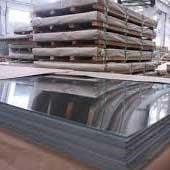
AISI 904L stainless steel (UNS N08904) belongs to the group of high alloy austenitic stainless steels. In comparison to 316L, SS904L contains less carbon (C) and higher amounts of chromium (Cr), as well as approximately two times more nickel (Ni) and molybdenum (Mo). This attribute gives it a greater capacity to endure elevated temperatures while experiencing oxidation, resist the formation of pits, and withstand exposure to reducing acids like sulfuric acid. The presence of nitrogen can decrease the speed at which chromium carbide precipitation occurs, resulting in a lower susceptibility to sensitization. This also enhances the material’s ability to withstand damage from crevice and pitting corrosion induced by chloride. The incorporation of copper (Cu) is particularly advantageous as it makes the material resistant to all levels of sulfuric acid concentration.


Applications

904L stainless steel (SS904L) is used in petroleum, chemical, fertilizer, marine development towers, tanks, pipes and tubes and heat exchangers. Rolex and other watch manufacturers also use it to make watches.


Heat Treatment

Annealing: The recommended annealing temperature for 904L wrought steel is 1095 °C (2000 °F).

Corrosion

Type 304 stainless steel is suitable for mild foods and vegetables, but acidic substances such as sauces and pickle liquors can be more corrosive and cause pitting corrosion on type 316 stainless steel. For enhanced resistance to pitting, high-alloy 904L stainless steel (SS904L) is a recommended option.


pic 6 pic 7 pic 8 pic 9 pic 10


Specification

ASTM A240, EN 10088, JIS G4304, ASME SA240

STANDARD

ASME, ASTM, AISI, AMS, JIS, EN, DIN, GB/T

Grade

X1NiCrMoCu25-20-5 (1.4539) UNS N08904, etc

Thickness

0.05~100mm

Size of plates

600~3000mm

Length

6000~18000mm

Delivery condition

Annealed and Pickled

Origin of raw materials

CHINA, USA, EUROPE, JAPAN, KOREA, RUSSIA

Brand we mainly distributed

BAO STEEL, Yakin, Aperam, Industeel, POSCO, TISCO, Outokumpu, Acoroni

Package

· Wooden Boxes

· Standard seaworthy export packing


Hot Tags: 904l stainless plate, China 904l stainless plate manufacturers, suppliers, factory

410s Stainless Plate

Stainless Steel Plates & Coils

GENERAL PROPERTIES:

Alloy 410S (UNS S41008) is a low carbon, non–hardening modification of Alloy 410 (UNS S41000) the general purpose 12% chromium martensitic stainless steel. The addition of a small amount of alloy and a focus on low carbon content helps to reduce the formation of austenite at elevated temperatures. This, in turn, limits the hardening abilities of the alloy. Even when subjected to rapid cooling from temperatures above the critical point, 410S still retains its ductility and softness. The fact that 410S does not harden helps prevent cracking when it is subjected to high temperatures or used in welding applications. In its annealed state, 410S is a fully ferritic material. 410S performs similarly to 410 in terms of corrosion resistance, while also boasting strong oxidation resistance.


APPLICATIONS:

Petroleum Refining and Petrochemical ProcessingColumns

Distillation trays

Heat exchangers

Towers

Ore ProcessingMining machinery

Thermal ProcessingAnnealing boxes

Partitions

Quenching racks

Gate valves

Press plates


OXIDATION RESISTANCE:

Good oxidation resistance.

Can be used in continuous service up to 1300°F (705°C).

Scaling becomes excessive above 1500°F (811°C) in intermittent service.


CORROSION RESISTANCE:

The corrosion resistance of 410S stainless steel is similar to type 410.

Resists corrosion in atmospheric conditions, fresh water, mild organic and mineral acids, alkalis, and TY some chemicals.

Exposure to chlorides in everyday activities (e.g., food preparation, sports activities, etc.) is satisfactory when proper cleaning is performed after exposure to use.


410(001) 410s(001)


Specification

ASTM A240, ASME SA240

STANDARD

ASME, ASTM, AISI, AMS, JIS, EN, DIN, GB/T

Grade

410S, UNS S41008, etc

Thickness

0.05~200mm

Size of plates

600~3000mm

Length

6000~18000mm

Delivery condition

Annealed and Pickled

Origin of raw materials

CHINA, USA, EUROPE, JAPAN, KOREA, RUSSIA

Brand we mainly distributed

BAO STEEL, Yakin, Aperam, Industeel, POSCO, TISCO, Zhenshi Group Eastern Special Steel, Tsingshan, Outokumpu, Acoroni

Package

· Wooden Boxes

· Standard seaworthy export packing


Hot Tags: 410s stainless plate, China 410s stainless plate manufacturers, suppliers, factory

347H Stainless Plate

Stainless Steel Plates & Coils

MAIN FEATURES:

Alloy 347 is an austenitic chromium steel that has been stabilized with columbium. This unique addition prevents the formation of carbide precipitation, thus avoiding any potential intergranular corrosion. Alloy 347 has been strengthened with the addition of chromium and tantalum, resulting in improved creep and stress rupture characteristics when compared to alloy 304 and 304L. This makes alloy 347 suitable for situations where sensitization and intergranular corrosion are potential risks. The inclusion of columbium in Alloy 347 provides exceptional resistance to corrosion, surpassing the capabilities of Alloy 321.347H is the variant of Alloy 347 with increased carbon content, which results in enhanced high temperature and creep resistance properties.


APPLICATIONS:

Alloy 347 is a popular choice for producing equipment that will operate in harsh corrosive environments and is widely utilized in the petroleum refining industry. Common applications for Alloy 347 include:

High-temperature chemical processes

Heat exchanger tubes

High-temperature steam service

High-pressure steam pipes

Radiant superheaters

Boiler tubes

Heavy-duty exhaust systems

General refinery piping


CORROSION RESISTANCE:

Provides comparable protection against general corrosion to that of Alloy 304.

Commonly utilized in applications that are prone to intergranular corrosion, which Alloy 304 may be susceptible to.

Typically employed in the fabrication of heavy welded equipment that cannot undergo annealing, and for equipment that is operated within the temperature range of 800 to 1500°F (427 to 816°C).

For low-temperature and aqueous environments, Alloy 347 is the more desirable option compared to Alloy 321.

Mainly utilized in environments with high temperatures necessitating resistance to sensitization, hence preventing intergranular corrosion at lower levels.

Susceptible to stress corrosion cracking

Exhibits oxidation resistance similar to all other 18-8 austenitic stainless steels


pic 3 pic 4 pic 7 pic 6


Specification

ASTM A240, EN 10088, JIS G4304, ASME SA240

STANDARD

ASME, ASTM, AISI, AMS, JIS, EN, DIN, GB/T

Grade

347/347H, UNS S34700 / S34709, FeMi35Cr20Cu4Mo2, etc

Thickness

0.05~200mm

Size of plates

600~3000mm

Length

6000~18000mm

Delivery condition

Annealed and Pickled

Origin of raw materials

CHINA, USA, EUROPE, JAPAN, KOREA, RUSSIA

Brand we mainly distributed

BAO STEEL, Yakin, Aperam, Industeel, POSCO, TISCO, Zhenshi Group Eastern Special Steel, Tsingshan, Outokumpu, Acoroni

Package

· Wooden Boxes

· Standard seaworthy export packing


Hot Tags: 347h stainless plate, China 347h stainless plate manufacturers, suppliers, factory

321H Stainless Plate

Stainless Steel Plates & Coils

GENERAL PROPERTIES:

Alloy 321 (UNS S32100) is an austenitic stainless steel stabilized with titanium, offering satisfactory resistance to general corrosion. Even when exposed to temperatures within the range where chromium carbides are prone to form, from 800 – 1500°F (427 – 816°C), this material demonstrates superior resistance to intergranular corrosion. The alloy can withstand oxidation up to 1500°F (816°C) and possesses superior creep and stress rupture characteristics compared to alloys 304 and 304L. Additionally, it has favorable toughness at low temperatures.

Alloy 321H (UNS S 32109) is a variant of the alloy that contains a higher carbon content (0.04 – 0.10). It was developed for enhanced creep resistance and for higher strength at temperatures above 1000oF (537°C). In most instances, the incorporation of carbon in the plate allows for dual certification. Heat treatment cannot be used to increase the strength of Alloy 321, as it can only be strengthened through cold working methods. This material is readily weldable and can be processed efficiently by standard shop fabrication practices.


COMMON APPLICATIONS:

Aerospace – piston engine manifolds

Chemical Processing

Expansion Joints

Food Processing – equipment and storage

Petroleum Refining – polythionic acid service

Waste Treatment – thermal oxidizers


pic 2(001) 410(001)
7(001) 410s(001)


Specification

ASTM A240, EN 10088, JIS G4304, ASME SA240

STANDARD

ASME, ASTM, AISI, AMS, JIS, EN, DIN, GB/T

Grade

321H, UNS S32100, X8CrNiTi18-10, 1.4878.etc

Thickness

0.05~100mm

Size of plates

600~3000mm

Length

6000~18000mm

Delivery condition

Annealed and Pickled

Origin of raw materials

CHINA, USA, EUROPE, JAPAN, KOREA, RUSSIA

Brand we mainly distributed

BAO STEEL, Yakin, Aperam, Industeel, POSCO, TISCO, Zhenshi Group Eastern Special Steel, Tsingshan, Outokumpu, Acoroni

Package

· Wooden Boxes

· Standard seaworthy export packing


Hot Tags: 321h stainless plate, China 321h stainless plate manufacturers, suppliers, factory

317 Stainless Plate

Stainless Steel Plates & Coils

GENERAL PROPERTIES:

Alloy 317L is a type of low carbon austenitic stainless steel that contains molybdenum and has significantly higher levels of chromium and nickel than standard stainless steels. These added elements improve its resistance to corrosion and make it more resistant to the harmful effects of chemicals, including sulfurous, acetic, formic, citric, and tartaric acids. 317L, owing to its low level of carbon, is capable of withstanding sensitization during welding procedures, as well as exhibiting superior creep, stress-to-rupture, and tensile strength at heightened temperatures. While exhibiting non-magnetic properties in its annealed state, 317L may experience a minor magnetic shift after undergoing welding.


APPLICATIONS:

Alloy 317L finds extensive application in the processing of sulfur, pulp liquor, acid dyestuffs, acetylating and nitrating mixtures, bleaching solutions, as well as in handling severe coal and oil, and various chemical compounds. Additionally, it is utilized in a range of other applications:

Paper and pulp handling equipment

Chemical and petrochemical processing equipment

Condensers in fossil and nuclear fueled power generation stations

Food processing equipment

Textile equipment


2(001) 4(001)


pic 9.jpg 19.png


Specification

ASTM A240, EN 10088, JIS G4304, ASME SA240

STANDARD

ASME, ASTM, AISI, AMS, JIS, EN, DIN, GB/T

Grade

317L, FeMi35Cr20Cu4Mo2, 2.4660.etc

Thickness

0.05~200mm

Size of plates

600~3000mm

Length

6000~18000mm

Delivery condition

Annealed and Pickled

Origin of raw materials

CHINA, USA, EUROPE, JAPAN, KOREA, RUSSIA

Brand we mainly distributed

BAO STEEL, Yakin, Aperam, Industeel, POSCO, TISCO, Zhenshi Group Eastern Special Steel, Tsingshan, Outokumpu, Acoroni

Package

· Wooden Boxes

· Standard seaworthy export packing


Hot Tags: 317 stainless plate, China 317 stainless plate manufacturers, suppliers, factory

316 Stainless Plate

Stainless Steel Plates & Coils

GENERAL PROPERTIES:

Alloys 316/316L are austenitic stainless steels that contain molybdenum. With a higher nickel and molybdenum composition, this grade is capable of exhibiting superior corrosion resistance compared to 304, particularly in terms of pitting and crevice corrosion in chloride atmospheres. Moreover, the high-temperature mechanical properties of Alloys 316/316L, including tensile, creep, and stress-rupture strengths, are exceptional, and they also offer exceptional formability and weldability. Alloy 316L, being a lowered carbon form of Alloy 316, offers resistance to sensitization. This makes it an ideal choice for heavy gauge welding components that demand optimal performance.


APPLICATIONS:

Food preparation equipment, especially in chloride environments

Chemical processing, equipment

Laboratory benches and equipment

Rubber, plastics, pulp & paper machinery

Pollution control equipment

Boat fittings, value and pump trim

Heat exchangers

Pharmaceutical and textile industries

Condensers, evaporators and tanks


CORROSION RESISTANCE:

Thanks to its higher levels of chromium and molybdenum, Alloy 316 generally offers superior resistance to corrosion in atmospheric environments as well as a wide range of corrosive media when compared to Alloy 304.

In warm chloride environments, Alloy 316 is susceptible to pitting and crevice corrosion, and above 122°F (50°C), it may experience stress corrosion cracking.

At ambient temperatures, Alloy 316 is known for its resistance to potable water with up to approximately 1000mg/L chlorides, which reduces to around 500mg/L at 140°F (60°C).

While Alloy 316 is often considered the “marine grade stainless steel,” it should be noted that it is not resistant to warm sea water.


HEAT RESISTANCE:

Alloy 316 exhibits satisfactory oxidation resistance in occasional use up to 1600°F (870°C) and in continuous use up to 1700°F (925°C).

Compared to other grades, Alloy 316L demonstrates higher resistance to carbide precipitation.


MACHINEABILITY:

Due to its toughness, machining Type 316/316L can be slightly more challenging than machining Type 304.

316/316L machines with chip characteristics that are tough and strong.

It is recommended to use chip breakers and curlers when machining 316/316L.

When machining 316/316L, it is recommended to use the largest possible tool and generous amounts of cutting fluid.

Due to the rapid work hardening of 316/316L, it is advisable to use heavy positive feeds at low speeds.


2(001) pic 2(001)
4(001) 1(001)


Specification

ASTM A240, EN 10088, JIS G4304, ASME SA240

STANDARD

ASME, ASTM, AISI, AMS, JIS, EN, DIN, GB/T

Grade

316/316L, X1-CrNiMo-17-12-2/X3-CrNiMo-17-12-2, 1.4401, 1.4404, 1.4435.etc

Thickness

0.05~200mm

Size of plates

600~3000mm

Length

6000~18000mm

Delivery condition

Annealed and Pickled

Origin of raw materials

CHINA, USA, EUROPE, JAPAN, KOREA, RUSSIA

Brand we mainly distributed

BAO STEEL, Yakin, Aperam, Industeel, POSCO, TISCO, Zhenshi Group Eastern Special Steel, Tsingshan, Outokumpu, Acoroni

Package

· Wooden Boxes

· Standard seaworthy export packing


Hot Tags: 316 stainless plate, China 316 stainless plate manufacturers, suppliers, factory

316 Stainless Plate

What Is 316 Stainless Plate?


Grade 316 stainless steel plate is the standard molybdenum-bearing grade of stainless steel plate. The molybdenum gives 316 stainless steel plate better overall corrosion resistant properties than grade 304 stainless steel plate. It has particularly higher resistance to pitting and crevice corrosion in chloride environments. 316 stainless steel plate has excellent forming and welding characteristics. It is readily brake or roll formed into a variety of parts for applications in the industrial, architectural, and transportation fields. Grade 316 stainless steel plate also has outstanding welding characteristics. Grade 316L stainless steel plate is the low carbon version of 316 stainless steel plate and is extensively used in heavy gauge welded components.


Advantages of 316 Stainless Plate


Excellent corrosion resistance
316 stainless steel plates are popular among manufacturers because of their remarkable corrosion resistance. These plates have a unique composition that comprises molybdenum, which enhances the material’s corrosion resistance to various chemicals and harsh environments. They can withstand exposure to salty seawater, acid solutions, and chlorides, making them suitable for marine, chemical, and processing industries.


High-temperature resistance
The high-temperature resistance of 316 ss plates is unmatched. Unlike other grades of stainless steel plates that tend to fail or deform under high temperatures, 316 retain their shape and strength, even when exposed to high-temperature applications. They can withstand temperatures up to 1500 degrees fahrenheit, making them suitable for various high-temperature applications.


Durability and strength
Stainless steel 316 plates are also known for their high durability and strength. They are relatively robust and resistant to wear and tear, making them ideal for applications requiring exceptional strength and resistance to heavy mechanical loads. Additionally, the material can withstand impact and shock, making it ideal for use in applications requiring high mechanical stress tolerance.


Aesthetic appeal
Another benefit of using ss 316 plates is their aesthetic appeal. These plates have a unique lustrous finish and are resistant to staining and corrosion, making them ideal for architectural and decorative applications. Their ability to retain their shine and elegance, even under harsh environmental conditions, makes them highly sought after by designers and architects.


Low maintenance requirements
316 stainless steel plates require minimal maintenance and can last many years without constant repairs or replacements. They are easy to clean and maintain, significantly reducing the long-term costs associated with their use. Additionally, the material is highly resistant to scratching and staining, making it easy to maintain and keep looking new for a long time.


410s Stainless Plate

410s Stainless Plate

Alloy 410S (UNS S41008) is a low carbon, non–hardening modification of Alloy 410 (UNS S41000) the general purpose 12% chromium martensitic stainless steel.

347H Stainless Plate

347H Stainless Plate

Alloy 347 is a stabilized, austenitic, chromium steel containing columbium which allows for the elimination of carbide precipitation, and, consequently, intergranualr corrosion.

321H Stainless Plate

321H Stainless Plate

Alloy 321 (UNS S32100) is a titanium stabilized austenitic stainless steel with good general corrosion resistance. It has excellent resistance to intergranular corrosion after exposure to temperatures in the chromium carbide precipitation range of 800 – 1500°F (427 – 816°C).

904L Stainless Plate

904L Stainless Plate

AISI 904L stainless steel (UNS N08904) is a high alloy austenitic stainless steel. Compared with 316L, SS904L has lower carbon (C) content, higher chromium (Cr) content, and approximatively twice the nickel (Ni) and molybdenum (Mo) content of 316L,

317 Stainless Plate

317 Stainless Plate

Alloy 317L is a molybdenum containing, low carbon austenitic stainless steel with increased additions of chromium, nickel, and molybdenum for better corrosion resistance and increased resistance to chemical attack for sulfurous, acetic, formic, citric, and tartaric acids.

11(1)

304 Stainless Plates

Alloy 304 a T-300 series stainless steel austenitic, which has a minimum of 18% chromium and 8% nickel. Type 304 has a maximum carbon of 0.07%. It is the standard “18/8 stainless” that is commonly found in pans and cooking tools.

316L Plate

316 Stainless Plate

Alloy 316/316L is molybdenum-bearing austenitic stainless steel. The higher nickel and molybdenum content in this grade allows it to demonstrate better overall corrosion resistant properties than 304, especially with regard to pitting and crevice corrosion in chloride environments.


Why Choose Us


Strong production chain

We have a strong supply chain with major distributors in China and other Asian regions to meet the stringent requirements of your project.


Professional team

STEELBOND PTE LTD has the most professional quality assurance team to ensure that AML and technical requirements are met, while providing quality products and services on time at the most competitive prices.


High-quality products

Committed to providing high-quality products and services efficiently, ensuring project safety, and making the world know more about Chinese steel.


Product diversification

The main inventory includes pipes and bars of stainless steel, duplex stainless steel, super duplex stainless steel, nickel alloy, Hastelloy and other grades.


Specific Properties of Grades of Stainless Steel 316

316l
As of now, this is perhaps the most widely used variant compared to the standard and the 316ti grade. Originally, low carbon grades were more expensive and difficult to produce until the introduction of the production process known as argon oxygen decarburization (aod). This grade of stainless steel 316 has a lower carbon content to reduce the effects of sensitization.


316h
This grade contains higher amounts of carbon, improving its thermal stability and creep resistance. Its corrosion resistance is comparable to 316l. However, due to the high carbon content, it is prone to sensitization which makes welding joints vulnerable to corrosion.

316ti and 316cb

These are referred to as stabilized stainless steels. Instead of lowering the carbon content, titanium and niobium are added to reduce the effects of sensitization. Titanium and niobium are strong carbide and nitride formers, which helps prevent chromium from being consumed. Both grades have increased resistance to intergranular attack at the welded regions.

316n

This is a less popular grade of stainless steel 316 which has higher amounts of nitrogen. Nitrogen-rich stainless steels are usually considered highly alloyed, super austenitic grades in which higher amounts of chromium and molybdenum can be added. Alloying nitrogen in stainless steel 316 creates similar properties as adding more carbon, which results in improved hardness and higher strength.

316ln

This is a 316 variant with a lower carbon but higher nitrogen content. Similar to 316l, having a lower carbon content enables it to have better corrosion resistance in the welded condition. To compensate for the loss of carbon, the amount of nitrogen is increased to improve its mechanical properties.


Common Forms of 316 Stainless Steel
316 Stainless Plate
316 板 1
316 板2
316 Stainless Plate

Sheet
If versatility is what you’re after, sheets of stainless steel are hard to beat. These large, flat surfaces are cold-rolled, and you can cut them into a variety of sizes, with widths ranging from 0.5 mm to 6 mm. You may look to this format for many items you’d find in the kitchen, like cookware, grills, sinks, countertops, and refrigerator, dishwasher, and freezer finishes. Xometry can laser or waterjet cut sheets of 316 stainless steel to create flat parts or patterns. You can learn more about this on our sheet cutting services page.


Bar
Bars are also known as rods, and you can find them in cylindrical or rectangular shapes in several different widths or diameters. This type of sae 316 stainless steel offers up the same properties as sheet metal, but bars can provide more strength and bear heavier loads. You’ll notice this kind of format in applications for construction and marine industries, and its finish is smoother and free of that well-known brushed texture found in homes. We often source bar stock when customers choose stainless steel for their cnc-machined parts.


Plate
Perhaps you like the idea of stainless steel sheets but require a thicker width. That’s where stainless steel plates come in handy as these are similar to the aforementioned format but come in widths of 6 mm or thicker. Unsurprisingly, this makes plates a great choice if you’re involved in industries that need chemical processing equipment, structural components for buildings, or pressure vessels. We can also machine plates or use waterjet cutting to cut them into various flat shapes.


Hot-rolled
This format of stainless steel comes from a process called hot rolling, in which you heat the material past the temperature point where it loses its crystalline structure and then reshape it and allow it to cool. This is great if you want stainless steel that can be formed and welded more easily. It’s more involved than other formats and moves molten steel from an argon oxygen decarburization vessel into a cooled continuous caster, where it’ll cool and solidify into a slab shape. You’ll find that the most popular applications for it are in the automotive, industrial equipment, and construction industries.


Cold drawn
The cold-drawn process (also known as cold working and cold rolling) works with stainless steel in a cooler environment than the broiling furnaces of hot-rolled, normally hovering around room temperature. They are normally in rod shape with smaller diameters, and you’d choose this style of processing if smooth finishes and hardness are vital to you. Precision components, shafts, and fasteners are a few kinds of products you could create from this format of 316 stainless steel.


Annealed
With annealed stainless steel, you’re putting it through an additional process to maintain its strength and formability while also boosting its corrosion resistance. It’s also called solution treatment steel and focuses on “resetting” or “relieving” the steel so it can be worked on and reshaped once more without cracking or breaking under pressure.


Types of 316 Stainless Plate
 
Austenitic stainless steels

These are the most frequently used types of stainless steels. Austenitic stainless steels tend to have a high chromium content compared to other steel alloys, giving them a higher resistance to corrosion. Another common characteristic of austenitic stainless steel alloys is that they tend to be non-magnetic-though they may become magnetic after cold working.

Ferritic stainless steels

The second most common form of stainless steel after austenitic alloys. As the name implies, ferritic stainless steel is magnetic. These alloys can be hardened through cold working. They also tend to be less expensive because of their reduced nickel content.

Martensitic stainless steels

The least common category of stainless steel alloy. Their corrosion resistance tends to be lower than either ferritic or austenitic alloys, but they have a high hardness. Martensitic stainless steel alloys are often ideal for applications requiring extraordinarily high tensile strength and impact resistance. When said applications also require corrosion resistance, these alloys may be used with a protective polymer coating.

Duplex (ferritic-austenitic) stainless steels

This category of stainless steel derives its name “duplex” from its composition; it is made of half austenite and half delta-ferrite. These stainless steel alloys have better corrosion resistance, especially against chloride pitting, and higher tensile strength than standard austenitic stainless steels. Due to their physical properties and chemical resistance, duplex stainless steels are used widely in the oil and gas industry for pipework systems or as pipelines and pressure vessels in the petrochemicals industry.

Precipitation-hardening (ph) stainless steels

This category of stainless steel is comprised of durable, corrosion-resistant alloys with exceptional strength. They can be treated to yield strengths three to four times that of standard austenitic stainless steel. They are most commonly used in the aerospace, nuclear, and oil and gas industries.


Difference Between Stainless Steel 316 and 304

Cost
The cost of stainless steel primarily hinges on the alloys incorporated into its composition. While all stainless steels necessitate a minimum of 10.5% chromium and are alloyed with a significant amount of iron, the presence of other elements plays a crucial role in shaping their properties and characteristics, consequently influencing the overall cost.

316 contains a minimum 2.0% molybdenum which makes it much more corrosion resistant than 304 however, as it is a more expensive element, generally makes 316 a more expensive grade of metal.


Magnetic properties
Both grades are austenitic, indicating they inherently lack magnetic properties. However, cold working can impact this characteristic. When stainless steel undergoes forming or cutting processes, there may be a slight enhancement in its magnetic properties, albeit minor.

Corrosion resistance

While both grades offer good corrosion resistance, stainless steel 316 surpasses 304 in environments containing chlorides, such as saltwater or coastal areas. The molybdenum content in 316 provides an extra layer of protection, making it more resistant to pitting and crevice corrosion in these challenging conditions.

Temperature resistance

Stainless steel 316 exhibits better resistance to high temperatures compared to 304. This is due to the presence of molybdenum, which enhances the alloy’s ability to withstand elevated temperatures without compromising its corrosion resistance. This makes 316 suitable for applications involving exposure to high heat.

Strength and durability

Both 316 and 304 are strong and durable stainless steel grades, but 316 has a slight edge in terms of strength. The addition of molybdenum contributes to higher tensile strength and improved overall durability, making stainless steel 316 more robust in demanding applications.


Application of 316 Stainless Plate
 
01/

Chemical processing industry
The material’s corrosion resistance makes it ideal for equipment exposed to harsh chemicals and high temperatures. It is also commonly used in the petrochemical industry to make pipes, valves, and other equipment.

02/

Marine industry
Its corrosion and pitting resistance make it an ideal material for ships and other marine equipment. It is also used to make underwater equipment such as submersibles and diving tanks.

03/

Food processing industry
Its corrosion resistance makes it ideal for equipment that comes into contact with acidic or alkaline substances and for equipment used to process food.

04/

Medical devices
Its corrosion resistance and excellent strength make it ideal for these applications.

05/

Pharmaceutical equipment
Aseptic processing and handling equipment.

06/

Architectural applications
Due to its aesthetic and corrosion resistance, it can be used for exterior cladding, handrails, and other decorative elements.


How to Maintain 316 Stainless Plate
 

Avoid abrasive sponges, pads, or cloths

First, let’s learn what not to do. The number one rule of stainless steel maintenance is to steer clear of abrasive sponges, pads, or cloths. These rough materials can scratch your precious stainless steel, leaving behind ugly marks that tarnish its appearance. Instead, opt for soft cloths or non-abrasive sponges that treat your stainless steel gently, preserving its smooth, shiny surface.

316 Stainless Plate
316 板2

Avoid cleaning products containing chloride or other harmful chemicals

Next on the no-no list are cleaning products containing chloride or other harmful chemicals. These substances can cause pitting and corrosion that damage stainless steel over time. Always check the label of any cleaning product before using it on stainless steel. If you spot harsh substances, leave the stuff on the shelf.

Look for galvanic corrosion, especially in moist environments

Galvanic corrosion is another issue to watch out for, especially if your stainless steel is in a moist environment. This type of corrosion occurs when two different metals are in contact with an electrolyte, like water. To prevent this, ensure your stainless steel is dry and not in contact with other metals.

316 板2
316 Stainless Plate

Use warm water and mild detergent or soap for basic cleaning

Now, onto the cleaning! Warm water and mild detergent or soap will do the trick for basic cleaning. Simply wash the surface with a soft cloth, rinse thoroughly, and dry immediately to prevent water spots. This simple routine can keep your stainless steel looking pristine day in and day out.

Always wear safety gear when cleaning stainless steel

Safety first! Always remember to wear safety gear when cleaning stainless steel. Gloves can protect your hands from sharp edges, and goggles can shield your eyes from any cleaning product splashes.

316 Stainless Plate
316 板2

Follow the recommended procedures for cleaning products

Finally, always follow the recommended procedures for any cleaning products you use. Read the instructions carefully, and adhere to them strictly. Doing so ensures you’re using the product as intended and getting the most out of its cleaning power.


Process of 316 Stainless Plate
 

Preparing the material
The process for manufacturing stainless 316 plates begins with collecting the right types of alloys used as the primary material. Generally, this includes iron as the base metal, with significant portions of chromium, nickel, and molybdenum. These raw materials underg.


Smelting the alloys
The alloy mix is then taken through a smelting process. Here, the raw materials are heated to incredibly high temperatures in a furnace or an electric arc furnace, which reaches up to 3000 degrees fahrenheit. This high temperature transforms solid metal into molten form, ensuring the mixture of elements is thoroughly combined.


Casting process
Once the homogenized metal has been achieved, it is poured into molds to form ‘ingots,’ or basic shapes of the metal. This is typically done in a controlled environment to avoid impurities or changes in the metal’s composition. The ingots are allowed to cool and solidify, ready for the next step in creating the stainless 316 plates.


Forming the plates
The solid ingots are now ready for further processing to become stainless 316 plates. This section describes the vital steps involved in shaping and transforming the ingots into the flat, uniform plates that are so commonly recognized.


Hot rolling
The ingots are heated to high temperatures that reach just below the metal’s recrystallization temperature. At this stage, the metal is malleable enough to withstand shaping without compromising its structure. The heated ingots pass through a series of rollers, which gradually decrease the thickness and increase the length and width, transforming them into ‘slabs.’


Cold rolling
The slabs, now somewhat close to the desired thickness and shape, are then cold-rolled between polished rolls to give a smoother, more finished surface. This process also helps improve the metal’s strength and impart directional grain, which is critical for the next steps in the manufacturing process.


Annealing
To relieve the stress caused by the rolling process and to soften the steel for further work, the metal is then annealed. This is where the stainless 316 plates are heated to a specific temperature and then allowed to cool slowly. Annealing reduces hardness and increases ductility, which helps prevent cracking during subsequent manufacturing steps.


Company Introduction


STEELBOND PTE LTD is a leading steel distributor established in 2014 in Singapore, we offer a diverse range of ferrous and non-ferrous products from reputable and accredited mills and We have a strong supply chain with major stockists in China and other Asia area to meet the Stringent requirement with your project.
Driven by its customer-focus value, STEELBOND PTE LTD has consistently applied innovative and best-practice processes to give its clients reliable products and on-time services.


productcate-1-1
productcate-1-1
productcate-1-1
productcate-1-1
productcate-1-1


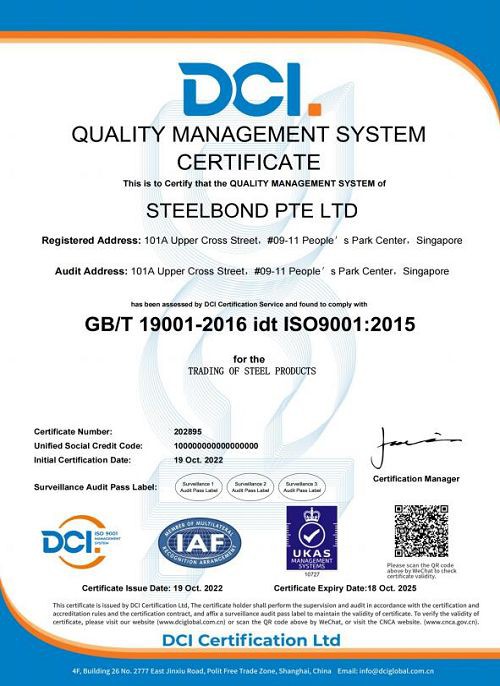
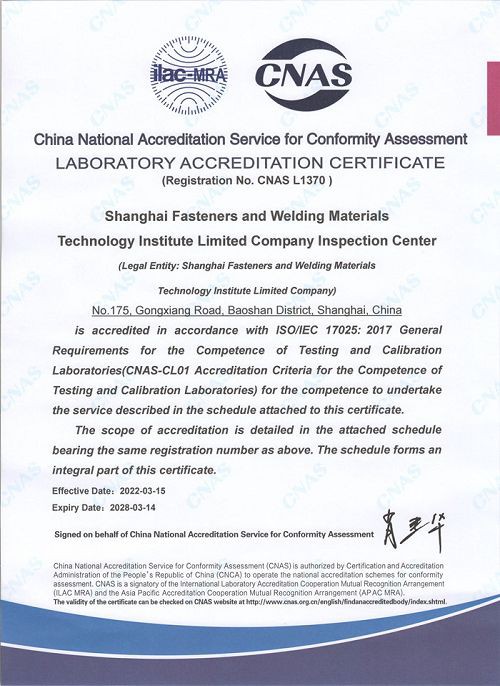
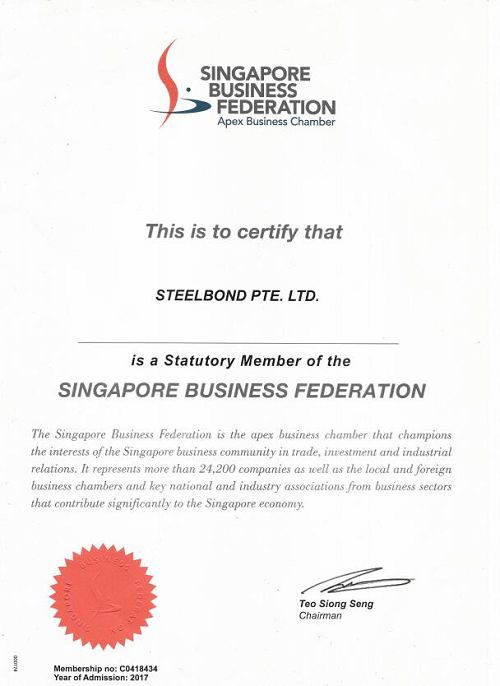
Our Certificate


20221104150040438e74b2554642c4bc30a13743636f31.jpg (500×686)
20221104150046b3371590d55b46a7b46eede594d90264.jpg (500×686)
2022110415005752af8549439a4073a2c200bb8bf1adf9.jpg (500×686)


FAQ


Q: Which is better, 316 or 304 stainless steel?

A: Most stainless steel ordered around the world is Grade 304. It offers the standard corrosion resistance, formability, strength, and easy maintenance for which stainless is known. While 316 comes in second in terms of quantities sold, it offers vastly superior corrosion resistance to chlorides and acids.

Q: What does 316 mean in stainless steel?

A: Type 316 stainless steel is an austenitic chromium-nickel stainless and heat-resisting steel with superior corrosion resistance as compared to other chromium-nickel steels when exposed to many types of chemical corrodents such as sea water, brine solutions, and the like.

Q: Why is 316 stainless steel so expensive?

A: What makes 316 more expensive than 304 stainless steel? The increase of nickel content and the addition of molybdenum in 316 makes it more expensive than 304. On average, the price of 316 stainless steel 40% higher than the price of 304 SS.

Q: Is 316L stainless steel good quality?

A: 316L is the superior choice for high corrosion and high temperature applications. Since 316L contains less carbon than 316, it has better intergranular corrosion resistance, meaning its welds won’t decay, unlike with 316 stainless steel.

Q: Is 304 or 316 better for a kitchen?

A: Usage: 304 is commonly used in kitchen equipment and industrial applications, offering good corrosion resistance. Conversely, 316, with its enhanced properties, is ideal for applications like marine equipment and chemical processing.

Q: How do I know if my SS is 304 or 316?

A: Aesthetically, there is no difference between the two; in fact, the only way to differentiate between them is to test them chemically. The main difference between 304 and 316 stainless steel is 316 SS has the addition of molybdenum.

Q: What is the highest grade of stainless steel?

A: Type 440C: is the stainless steel that can be heat treated to the highest hardness of any of the stainless steels.

Q: Which is cheaper 316 or 316L?

A: Although 316 stainless steel has a lower carbon content than 316L stainless steel, the price of the two stainless steel is about the same. Neither the 316 nor the 316L is the cheapest option. The 304 is similar to the 304L, but the price is lower.

Q: Is 316 food grade?

A: Grade 316 is an ideal food grade steel for nearly any application. It offers a high resistance to alkalis, acids and chlorides, such as salt, and won’t cause corrosion. It also has an extremely high continuous use temperature, more than food processing typically requires.
Choosing the Best Food Grade Stainless Steel

Q: Is 316 stainless steel good for cooking?

A: Overall, grade 316 is usually the better choice when making food-grade stainless steel containers. 316 SS is more chemically-resistant in a variety of applications, and especially when dealing with salt and stronger acidic compounds such as lemon or tomato juice.

Q: 316 vs 316L stainless steel cost

A: Although 316 stainless steel has a lower carbon content than 316L stainless steel, the price of the two stainless steel is about the same. Neither the 316 nor the 316L is the cheapest option. The 304 is similar to the 304L, but the price is lower.

Q: What does the L stand for in 316L?

A: The “L” at the end of Type 300 series stainless steel grades (i.e. Type 316L) signifies “low carbon.” Carbon contents (Type 304 & Type 316 stainless steel): ~0.08%

Q: Which is better, 304 or 316L stainless steel?

A: The key difference between 304 and 316 stainless steel that makes them different is the addition of molybdenum, an alloy that drastically enhances corrosion resistance, especially for more saline or chloride-exposed environments. 316 stainless steel contains molybdenum, but 304 does not.

Q: What steel does Rolex use?

A: 904L stainless steel is a unique and highly valuable material that Rolex uses to make their watches. Its properties make it highly resistant to corrosion and durable, ensuring that Rolex watches last for many years.

Q: Why choose 316 stainless steel?

A: 316 stainless steel has better corrosion resistance, especially in acidic environments and seawater. It can resist the erosion of sulfuric acid, hydrochloric acid, chloride, and other corrosive media, so it is widely used in the field of marine engineering, chemical equipment medical devices, etc.

Q: Is 316 stainless steel shiny?

A: If the appearance of the material is important to your application, grade 316 stainless steel has a higher level of polish and shine compared to grade 304. This is due to the addition of molybdenum, which as well as superior corrosion resistance gives grade 316 an enhanced appearance.

Q: Is 316 stainless steel safe for drinking water?

A: 316 stainless steel fittings are commonly used in Marine/Sea water, Industrial-Commercial Chemical and Pharmaceutical equipment and many other non-potable water applications. They are ideal for all potable water systems and municipal water treatment plants and pump houses.

Q: Can I use 316 on 304?

A: The general rule with Welding Stainless Steel is to weld it with either the same grade of Welding Rod, Tig Wire or Mig Wire, or a higher grade. So you could weld 304 Stainless Steel with a 308 or 316 Rod/Wire, but you shouldn’t weld 316 with a 308 Rod/Wire.

Q: Can you mix 304 and 316 stainless steel?

A: This is commonly done. Type 316L, in most cases, is at least as corrosion resistant as 304L although not in all cases. For example, in nitric acid, 316L may be less corrosion resistant than 304L. If both alloys are sufficiently corrosion-resistant, there is no concern for galvanic corrosion.

Q: How long will 316L stainless steel last?

A: 316 stainless steel is estimated to last for 1200 years in a “rule” environment before heavy pitting. In the marine environment this is reduced to a mere 260 years.

Hot Tags: 316 stainless plate, China 316 stainless plate manufacturers, suppliers, factory

304 Stainless Plates

Stainless Steel Plates & Coils

Alloy 304 belongs to the T-300 series of austenitic stainless steel and is composed of at least 18% chromium and 8% nickel. Type 304 exhibits a low carbon content that does not exceed 0.07%. This is the typical “18/8 stainless steel” composition that is frequently utilized in cooking utensils and cookware. Alloy 304 is considered to be the most multifunctional and extensively employed alloy within the stainless steel category. With its exceptional resistance to corrosion and remarkable formability, Alloy 304 is an exceptional choice for an extensive range of domestic and industrial uses. Its ease of fabrication makes it a favored option for numerous applications. The high-alloy austenitic stainless steels, such as Alloy 304, are known for their superb weldability and can be welded using any fusion or resistance welding technique.


Alloy 304 Stainless Steel finds broad usage in both domestic and industrial settings, for example:

Kitchen benches, sinks, troughs, equipment, and appliances

Chemical containers, including for transport

Food processing equipment, particularly in beer brewing, milk processing, and wine making

Heat exchangers

Architectural trim and molding

Woven or welded screens for mining, quarrying & water filtration

Automotive and aerospace structural use

Nuts, bolts, screws, and other fasteners in the marine environment

Construction material in large buildings

Dyeing industry


CORROSION RESISTANCE:

The presence of 9-11% nickel in Alloy 304 confers resistance to organic acids that are moderately aggressive.

The 18-19% chromium content in Alloy 304 Stainless Steel provides excellent resistance to corrosion in oxidizing environments.

Alloys 304, 304L, and 304H are generally regarded as having uniform performance in a wide range of corrosive environments.


HEAT RESISTANCE:

The 800-1580°F temperature range is not recommended for continuous use of Alloy 304 if maintaining strong resistance to aqueous corrosion is crucial.

Alloy 304 exhibits reliable resistance to oxidation when used intermittently up to 1600°F and continuously up to 1690°F.

Due to their outstanding anti-corrosion properties, Alloys 304/304L are extensively employed in marine, pressure vessel, tanker, and industrial applications.


3(001) 8(001)
4(001) 1(001)


Specification

ASTM A240, EN 10088, JIS G4304, ASME SA240

STANDARD

ASME, ASTM, AISI, AMS, JIS, EN, DIN, GB/T

Grade

304/304L, 1.4301, 1.4307, Z5CN18.09 / Z2CN18.10X5CrNi18-10 / X2 CrNi-19-11.etc

Thickness

0.05~200mm

Size of plates

600~3000mm

Length

6000~18000mm

Delivery condition

Annealed and Pickled

Origin of raw materials

CHINA, USA, EUROPE, JAPAN, KOREA, RUSSIA

Brand we mainly distributed

BAO STEEL, Yakin, Aperam, Industeel, POSCO, TISCO, Zhenshi Group Eastern Special Steel, Tsingshan, Outokumpu, Acoroni

Package

· Wooden Boxes

· Standard seaworthy export packing


Hot Tags: 304 stainless plates, China 304 stainless plates manufacturers, suppliers, factory
304 Stainless Plates

What Is 304 Stainless Plates?


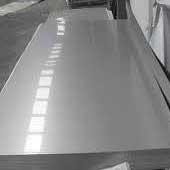
Stainless Steel 304 Plates are made of an austenitic SS alloy, which means it has a high chromium content and a moderate amount of nickel. They are popular for various applications due to their durability, corrosion resistance, and aesthetic appeal. Among the different grades available, Stainless Steel 304 is one of the most versatile and widely used options.


Advantages of 304 Stainless Plates


Durability and strength
Stainless steel 304 sheet/plate is a robust material with exceptional strength and durability. This makes it ideal for construction and manufacturing, where it is exposed to harsh conditions that require a strong and durable material. Its high corrosion resistance ensures that it remains in pristine condition for long periods, and its ability to withstand high temperatures further enhances its durability.


Low maintenance
Stainless steel 304 sheet/plate requires very little maintenance compared to other materials. It does not need to be painted or sealed to maintain its appearance and can be easily cleaned with soap and water or a mild detergent. Additionally, the stainless steel 304 sheet/plate does not need to be polished or waxed to maintain its shine and will remain like new for many years with minimal effort.


Hygiene and cleanliness
Stainless steel 304 sheet/plate is also known for its excellent hygiene and cleanliness. This is due to its smooth, non-porous surface that prevents bacteria from growing, making it ideal for use in the food and beverage industry. Its resistance to staining and scratching also ensures that it remains hygienic and easy to maintain.


Aesthetic appeal
In addition to its functional properties, stainless steel 304 sheet/plate also offers an aesthetic appeal that can be used to create stunning designs. Its sleek, modern look is often used in architecture, interior design, and industrial manufacturing, and it adds elegance and sophistication to any project.


Versatility
Stainless steel 304 sheet/plate is a versatile material used in many applications. Its resistance to corrosion, hygienic properties, and aesthetic appeal make it an ideal material for use in the food and beverage industry, healthcare, construction, and manufacturing.


Cost-effective
While stainless steel 304 sheet/plate may be more expensive than other materials, its durability and strength make it a cost-effective investment in the long run. Its resistance to corrosion and damage ensures that it lasts many years without requiring frequent replacement or repair. This makes it an ideal choice for applications where cost-effectiveness is crucial.


Heat resistance
Stainless steel 304 sheet/plate also has excellent heat resistance properties, which make it perfect for use around high-temperature areas such as ovens or grills without fear of warping or melting under extreme temperatures like some other metals may do when exposed to heat sources over long periods. This makes stainless steel 304 sheet/plate an ideal choice for projects requiring heat resistance, such as automotive exhaust systems and industrial machinery components.


Eco-friendly
Lastly, stainless steel 304 sheet/plate is incredibly eco-friendly because it can be recycled multiple times without losing any of its strength or integrity. This allows manufacturers who use stainless steel products to recycle their scrap material, thus reducing their carbon footprint while still creating high-quality products.


Inconel 600 Plate

N06600 Plate

INCONEL® (nickel-chromium-iron) alloy 600 (UNS N06600/W.Nr. 2.4816) is a standard engineering material for applications which require resistance to corrosion and heat.

Alloy 800 Plate

Alloy 800 Plate

INCOLOY alloy 800 (UNS N08800/W. Nr. 1.4876) is a widely used material for construction of equipment requiring corrosion resistance, heat resistance, strength, and stability for service up to 1500°F (816°C).

Alloy 625 Plate

Alloy 625 Plate

INCONEL® nickel-chromium alloy 625 (UNS N06625/W.Nr. 2.4856) is a nonmagnetic, corrosion and oxidation resistant, nickel-base alloy.

410s Stainless Plate

410s Stainless Plate

Alloy 410S (UNS S41008) is a low carbon, non–hardening modification of Alloy 410 (UNS S41000) the general purpose 12% chromium martensitic stainless steel.

S32205 And S31803 Duplex Stainless Plates

S32205 And S31803 Duplex Stainless Plates

Duplex stainless steel grades have a ferritic-austenitic microstructure, with a phase balance of approximately 50% ferrite and 50% austenite.

High Strength Steel Plate

High Strength Steel Plate

High Strength Steel Plate is a material used to make several products from plates to sheets. The properties inherent by these plates depend upon the elements added to them.

Carbon Teel Plate

Carbon Steel Plate

Carbon steel plate usually been considered as the steel that does not contain much alloy steel elements. Generally, elements are C, Mn, P, S, Si, besides these there are no minimum limits for elements of Al, Cr, Ni, Mo, V etc.

Pressure Vessel Steel Plate

Pressure Vessel Steel Plate

Pressure vessels are defined as closed containers that hold gases or liquids at a pressure substantially different than the ambient pressure.

Offshore Steel Plate

Offshore Steel Plate

Offshore and marine steel plate is specifically certified for use in maritime projects by regulatory organizations, including the American Bureau of Shipbuilding (ABS).
 

Why Choose Us


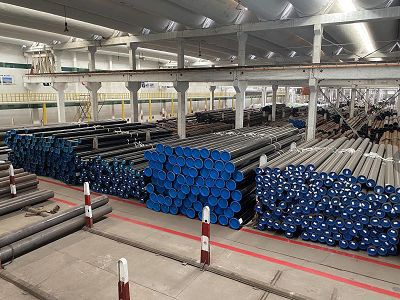
Strong production chain

We have a strong supply chain with major distributors in China and other Asian regions to meet the stringent requirements of your project.


Professional team

STEELBOND PTE LTD has the most professional quality assurance team to ensure that AML and technical requirements are met, while providing quality products and services on time at the most competitive prices.


High-quality products

Committed to providing high-quality products and services efficiently, ensuring project safety, and making the world know more about Chinese steel.


Product diversification

The main inventory includes pipes and bars of stainless steel, duplex stainless steel, super duplex stainless steel, nickel alloy, Hastelloy and other grades.


Types of 304 Stainless Plates
304 Stainless Plates
11(1)
304 Stainless Plates
11(1)

310stainless steel
Grade 310 stainless steel combines excellent high temperature performance, good ductility and weldability and is designed for high temperature service. It can be used continuously up to 1150°c and resists oxidation as long as reducing sulfur-containing gases are not present. It can also be used for intermittent service up to 1040°c. Suitable for molten salts, sulfur-containing gases and heat exchangers and heat exchanger piping.


316stainless steel
316 is the second most common stainless steel after 304 and is often used in food and surgical applications. The addition of molybdenum protects against specific forms of corrosion. By keeping carbon to a maximum of 0.03%, it has been shown to minimize carbide precipitation during welding. Lowering the sulfur content will enhance its electropolishing capabilities. It is also known as marine grade stainless steel because it has a higher resistance to chloride corrosion than 304. It is often used in marine applications and watches, pharmaceutical equipment, valve bodies, bleaching and dyeing equipment or the textile and food industries.


317 stainless steel
317 is an austenitic chromium-nickel with molybdenum, similar to 316, but with a higher alloy content. It is primarily used to more effectively resist attack by sulphurous acid compounds. 321 – this is a titanium-containing stainless steel that stabilizes carbide precipitation. At higher temperatures, the carbon combines with the titanium to form harmless titanium carbides, while the chromium maintains full corrosion resistance. 321 is essentially a modified version of 304 with at least 5 times the carbon plus nitrogen content added to the titanium.


347 stainless steel
347 is a niobium/tantalum stabilized austenitic stainless steel. Similar to 321, it has good intergranular corrosion resistance compared to typical 18-8 type alloys. It is widely used in aircraft exhaust pipes, expansion joints, and high temperature chemical processing. It tolerates atmospheric conditions and should be considered for applications requiring intermittent heating between 800f and 1650f.


410stainless steel
410 is a hardenable martensitic alloy designed for highly stressed parts requiring high ductility and good corrosion resistance. Operating temperatures up to 1200f are acceptable. 410 is widely used for blades and vanes, steam turbines, turbine wheels, valves, aircraft parts and pumps and pump shafts.


416 stainless steel
Grade 416 has the highest machinability of all stainless steels, about 85% of the free-machining carbon steels. For most other free-machining stainless steels, the improvement in machinability is achieved by the addition of sulfur to form manganese sulfide inclusions; this sulfur addition also reduces corrosion resistance, weldability and formability to less than the non-free-machining equivalent steel 410 grade. Due to its low cost and ease of machining, grade 416 is sometimes used in the unhardened or hardened and high tempered condition.


630 stainless steel
17-4 precipitation hardened, also known as type 630, is a chromium-copper precipitation-hardened stainless steel used in applications requiring high strength and moderate corrosion resistance. High strength can be maintained at temperatures of approximately 600 degrees fahrenheit (316 degrees celsius).


Application of 304 Stainless Plates
 
Application of 304 stainless steel sheet in aerospace industry
304 stainless steel sheet is a common austenitic stainless steel designed for aerospace applications. It has high tensile strength, excellent corrosion resistance and excellent shock absorption ability, making it an excellent choice for aircraft components. Due to its strong and durable and lightweight structure, ss 304 sheet is often used in the aerospace industry to manufacture fuselages, turbines, landing gear doors and control surfaces. The material can also manufacture aircraft turbine disks and electrical component housings. Its non-magnetic nature makes it ideal for instrumentation where magnetic interference must be avoided. In addition, its durability allows it to withstand extreme temperatures for long periods of time while still providing excellent performance, making this metal an important component in many aerospace applications.
Application of 304 stainless steel sheet in chemical industry

304 stainless steel sheet has a wide range of applications in the chemical industry. It is an ideal material due to its corrosion resistance, high temperature strength, formability and weldability. The oxide film on the metal surface prevents further erosion by corrosive chemicals or liquids such as acids, alkaline solutions and salt water. This makes it ideal for handling complex production processes involving various chemicals, such as those used in electroplating, pickling, and etching operations. In addition, its strength allows it to withstand extreme temperatures without causing any deformation or damage to the working surface. Overall, ss 304 plate is a reliable solution for all types of chemical processing due to its excellent properties, making it corrosion-resistant and easy to maintain over the long term.

Applications of ss 304 plate in food processing industry

304 stainless steel plate is a versatile material that can be used in food processing due to its excellent corrosion and heat resistance, good formability, durability, and strength. It is particularly beneficial in constructing industrial food preparation surfaces because it does not react with acids or bases commonly found in many foods. These plates can also withstand high temperatures without deterioration or structural damage. In addition, they are aesthetically pleasing and easy to clean, providing an effective solution for the food processing industry where hygienic surfaces are required. 304 stainless steel plates can be used in storage tanks, box covers and racks, workstations for cutting meat/vegetables/fish, etc., various kitchen appliances (dishwashers, etc.), and manufacturing equipment such as cookers or ovens.

Application of 304 stainless steel plate in pharmaceutical industry

304 stainless steel plate is one of the most widely used materials in the pharmaceutical industry. It has excellent corrosion resistance and high temperature performance, making it an ideal material for a wide range of applications. The low carbon content also makes the plate less susceptible to sensitization when exposed to high temperatures, preventing surface cracking and other problems. Its non-magnetic properties make ss 304 plate ideal for use in many areas such as manufacturing containers, processing equipment, sterilization equipment, food production tools, and storage tanks widely used in pharmaceutical manufacturing processes. In addition to being extremely durable and wear-resistant, its non-toxic properties make it a top choice for the safe handling of pharmaceuticals or any other sensitive substances during the production process.


How to Maintain 304 Stainless Plates

Regular cleaning
Removing dirt and grime from your 304 stainless steel sheet can prevent the formation of spots and rust. To do this, use a clean cloth, warm water, and a few drops of dish soap. Wipe the sheet with the cloth, rinse with warm water, and dry with a clean towel. Avoid using abrasive cleaners or scrubbers, as they can scratch the surface.


Remove stains
If you notice any stains on your 304 stainless steel sheet, remove them using baking soda and water paste. Apply the paste to the stain, let it sit for a few minutes, and then wipe it away with a clean cloth. You can also use white vinegar and water to remove stains. Apply the solution to the stain and let it sit for 10 minutes before wiping it away. Avoid using bleach or chlorine-based cleaners as they can damage the material.

Protect against corrosion

While 304 stainless steel is highly resistant to corrosion, it can still rust if exposed to harsh chemicals or environments. To protect against corrosion, avoid exposing your sheets to chemicals such as chlorine, acids, or bleach. Also, dry your sheets thoroughly after cleaning to prevent moisture buildup.

Avoid scratches

Although 304 stainless steel is durable, it can still get scratched. Use a soft cloth or sponge when cleaning your sheets to avoid scratches. Also, avoid using steel wool, wire brushes, or abrasive pads, as they can scratch the surface. If you get scratches, use a non-abrasive cleaner and a soft cloth to gently buff the scratch.

Polish your sheets

Polishing your 304 stainless steel sheets can enhance their appearance and protect against corrosion. To polish your sheets, use a stainless steel cleaning product or a mixture of water and vinegar. Apply the cleaner or mixture to the sheet, rub with a soft cloth, then rinse and dry. Repeat this process once a month to keep your sheets looking shiny and new.


304 Stainless Plates


Polishing Method Of 304 Stainless Steel Plate

Electrochemical polishing treatment
After electrochemical polishing, the glossiness of the mirror surface of 304 stainless steel plate will last longer. The whole polishing process is also relatively stable, with less pollution, less investment, and the most important thing is anti-corrosion High performance. This polishing technology is more suitable for mass production, so it is widely used in the high-end product industry. Because the polishing process is stable, it is relatively easy to operate.


Chemical polishing treatment
This kind of polishing technology is relatively economical. Even messy 304 stainless steel plates can be polished, and the polishing speed is fast, the efficiency is high, and the anti-corrosion performance is also good. But there are also disadvantages, the main reason is that the gloss is relatively poor, and the gas will overflow directly, so the auxiliary work of ventilation equipment is needed, and heating will be more difficult. It is more suitable for the polishing of small batches of messy parts and the processing of small parts with low requirements.


Mechanical polishing treatment
The 304 stainless steel plate after mechanical polishing is better in flatness, but the glossiness will not last for a long time, so rust and dullness will appear.


How to Choose a 304 Stainless Plates
 

Determine the application
Identify the purpose of the stainless steel plate. Consider factors such as the intended use, environment, temperature, and any specific industry requirements.


Understand the properties
Familiarize yourself with the properties of 304 stainless steel. This alloy is known for its corrosion resistance, excellent formability, high-temperature strength, and good welding characteristics.


Thickness requirement
Determine the required thickness of the stainless steel plate based on the application’s structural or functional needs. Consider factors like load-bearing capacity, expected stress levels, and any regulatory standards.


Surface finish
Decide on the surface finish required for your application. Common options include a smooth, polished surface or a textured finish for improved grip or aesthetic appeal. Surface finishes can impact corrosion resistance and cleanability.


Size and dimensions
Define the required dimensions and size of the stainless steel plate. Consider the length, width, and any specific tolerances necessary for your project.


Quantity
Determine the quantity of stainless steel plates needed based on your project requirements. Consider factors such as production volume, lead time, and any potential discounts for larger orders.


Supplier selection
Research and select a reputable stainless steel supplier. Look for a supplier with a track record of delivering high-quality materials, certifications, reliable customer service, and competitive pricing.


Material certification
Request material certifications or test reports from the supplier to ensure the stainless steel plate meets industry standards and specifications, such as astm a240/a240m for 304 stainless steel.


Budget considerations
Evaluate the cost of the stainless steel plate while considering factors such as quality, durability, and long-term performance. Balance your budget with the necessary requirements of your application.


Company Introduction


STEELBOND PTE LTD is a leading steel distributor established in 2014 in Singapore, we offer a diverse range of ferrous and non-ferrous products from reputable and accredited mills and We have a strong supply chain with major stockists in China and other Asia area to meet the Stringent requirement with your project.
Driven by its customer-focus value, STEELBOND PTE LTD has consistently applied innovative and best-practice processes to give its clients reliable products and on-time services.


productcate-1-1
productcate-1-1
productcate-1-1
productcate-1-1
productcate-1-1


Our Certificate


20221104150040438e74b2554642c4bc30a13743636f31.jpg (500×686)
20221104150046b3371590d55b46a7b46eede594d90264.jpg (500×686)
2022110415005752af8549439a4073a2c200bb8bf1adf9.jpg (500×686)


FAQ


Q: Is 304 stainless steel High Quality?

A: 304 stainless steel is highly resistant to atmospheric corrosion, water, and many chemicals. Along with its ease of fabrication, 304 stainless steel is a popular choice for metal castings for applications such as pump & valve components, food processing equipment, bearings, heat exchangers, and pressure vessels.

Q: Is 304 stainless steel safe to eat from?

A: The most popular grades of kitchen and food quality stainless steel are 304 and 316. 304 is usually used for kitchen appliances and equipment and the most highly used stainless steel. 316 is considered to be more surgical grade and used for cutlery with a smoother finish and prevents certain types of corrosion.

Q: Does 304 stainless steel rust?

A: It’s important to consider that, although 304 stainless steel can corrode, it will not rust in normal atmospheric conditions. The corrosion of stainless steel only occurs under more aggressive environments or in situations where the composition of the steel contains impurities.

Q: Is 304 stainless steel safe to wear?

A: This means that jewelry pieces carrying anything above the healthy amounts are not allowed to retail. 304 stainless steel and 316L surgical steel have extremely low Nickel levels and are often safe to wear even for individuals with a Nickel allergy to enjoy wearing occasionally.

Q: What’s better, 304 or 316 stainless?

A: 316 contains a minimum 2.0% molybdenum which makes it much more corrosion resistant than 304 however, as it is a more expensive element, generally makes 316 a more expensive grade of metal.

Q: Is 304 stainless ok for drinking water?

A: They are an excellent choice for residential or commercial potable water systems. They can also be suitable for a wide range of non-critical applications including industrial and commercial applications, food processing and other non-potable water piping systems.

Q: How long does 304 stainless steel last?

A: Generally, stainless steel is known for its durability and resistance to corrosion, making it a long-lasting material choice for many applications. In some cases, stainless steel structures and components can last for several decades or even a lifetime.

Q: Is 304 stainless steel medical grade?

A: Austenitic 304 and 316 stainless steels are considered surgical or medical-grade stainless steels, they are the most common stainless steels.

Q: Can you shower with 304 stainless steel?

A: Yes, you can. You can safely shower with your stainless steel jewelry and wash your hands with a stainless steel ring without the ornaments getting any major damage. While water might not cause any damage, harsh chemicals can.

Q: Can you shower with 304 stainless steel?

A: Yes, you can. You can safely shower with your stainless steel jewelry and wash your hands with a stainless steel ring without the ornaments getting any major damage. While water might not cause any damage, harsh chemicals can.

Q: How can you tell if stainless steel is 304?

A: Nitric acid reaction can be done to distinguish grade 304 from non-stainless steel elements. Grade 304 will not affect by nitric acid whereas non-stainless steel material will show brown fumigation.

Q: Is 304 stainless steel skin safe?

A: Clinical patch tests reinforced the nickel release sweat test results showing no allergic reaction in grades 1.4016, (430), 1.4301, (304), 1.4307, (304L0), or 1.4401, (316), 1.4404, (316L).

Q: Is stainless steel 304 safe for food?

A: While there are several types of stainless steel available, only a few are considered food-grade. Nearly all food-grade stainless steels come from the 300 and 400 series, including: 304 Grade Stainless Steel. 304 stainless steel offers an affordable option for nearly any food processing environment.

Q: Is 304 stainless steel good quality?

A: Most stainless steel ordered around the world is Grade 304. It offers the standard corrosion resistance, formability, strength, and easy maintenance for which stainless is known. While 316 comes in second in terms of quantities sold, it offers vastly superior corrosion resistance to chlorides and acids.

Q: Is 304 stainless steel BPA free?

A: Which is the good “food grade stainless steel” and 100% “BPA” free water bottles? “Food Grade” stainless (or anything), is passed by the national authorties as suitable for containing food items. 18/8 stainless – or 304 or 316 stainless are examples.

Q: How do I know if I have 304 or 316?

A: Aesthetically, there is no difference between the two; in fact, the only way to differentiate between them is to test them chemically. The main difference between 304 and 316 stainless steel is 316 SS has the addition of molybdenum.

Q: Should 304 stainless steel rust?

A: Comprised of 18% chromium, 304-grade stainless steel should never rust through to the point that it will jeopardize the integrity of the metal; the chromium properties in the metal will only allow corrosion to go so far before stopping the rusting process.

Q: Is 304 or 316 better for a kitchen?

A: Usage: 304 is commonly used in kitchen equipment and industrial applications, offering good corrosion resistance. Conversely, 316, with its enhanced properties, is ideal for applications like marine equipment and chemical processing.

Q: Is Stainless Steel 304 safe for cooking?

A: In addition to resisting various acids found in meats, milk, fruits and veggies, there are also no chemicals within type 304 stainless steel that can migrate to your food, making it a safe, strong and durable choice for appliances, dishware, utensils, food storage and more.

Q: Is Stainless Steel 304 cheap?

A: This makes it an excellent choice for many different applications. One of the benefits of 304 stainless steel is that it is relatively affordable. It is also easy to work with, which makes it a good choice for DIY projects.

Hot Tags: 304 stainless plates, China 304 stainless plates manufacturers, suppliers, factory