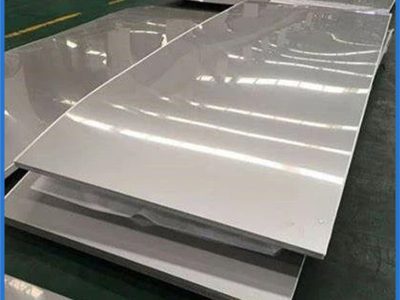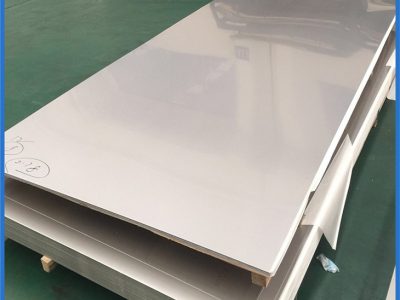
High Strength Steel Plate
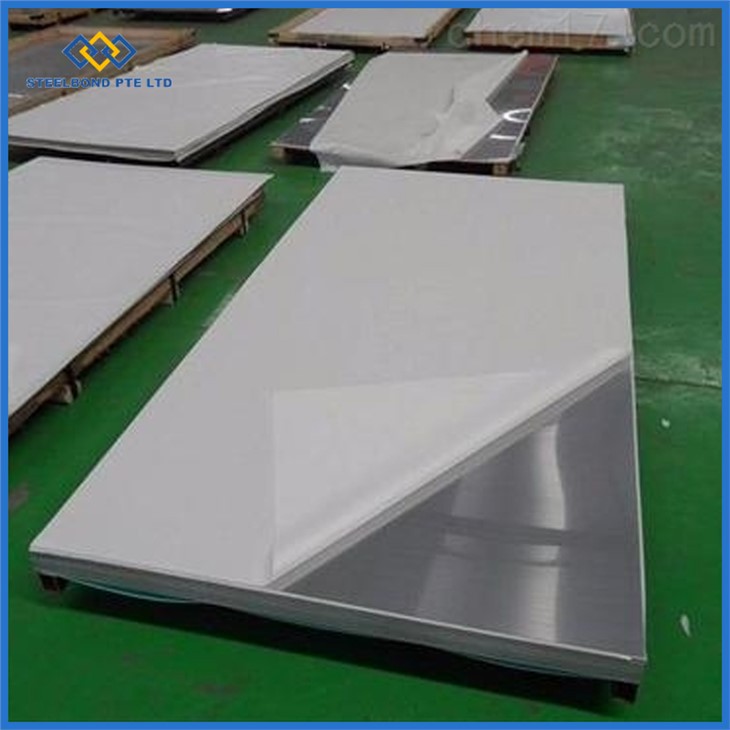
High strength steel plates are steel sheets engineered to have superior strength and hardness properties compared to other steels.
Product Introduction
What Is High Strength Steel Plate?
High strength steel plates are steel sheets engineered to have superior strength and hardness properties compared to other steels. Due to their excellent tensile strength and wear resistance, they can be used in various structural applications, from bridges to armoured vehicles. High strength steel plates also offer excellent weldability characteristics, making them suitable for various applications where welding is necessary. Furthermore, they provide superior corrosion resistance compared to other steel materials. This makes them particularly useful in marine environments or coastal areas where moisture is more prevalent or corrosive elements like chlorine are present.
Superior strength
Due to their ability to resist shock loading, they can also be found in bridges and heavy machinery like cranes, tanks, bulldozers, etc. Additionally, they have excellent weldability and formability, allowing for diverse shapes and designs without compromising their mechanical properties. All these features combine to make high-tensile steel plates one of the strongest materials available today for industrial use – offering superior performance every time!
Lighter weight
One of the most significant advantages of high-tensile steel plates over traditional steel is their lighter weight. The higher tensile strength of these plates allows for a thinner cross-section, which results in reduced weight without compromising strength. This makes them ideal for military vehicles that need to be highly maneuverable.
Better protection
Military vehicles such as tanks and armored vehicles are highly susceptible to attacks from enemy fire. High-tensile steel plates offer better protection against ballistic missiles and other projectiles. These plates are extremely hard and can absorb the impact of high-speed bullets without cracking.
Lower maintenance costs
High tensile steel plates require lower maintenance than traditional steel plates, which translates to fewer repairs and replacements, reducing costs over the vehicle’s lifespan. These plates are also less susceptible to corrosion and rust, which minimizes the need for regular maintenance.
Greater durability
Military vehicles and equipment must withstand rugged terrain, extreme temperatures, and harsh environmental conditions. High-tensile steel plates offer greater durability and resilience, reducing the risk of vehicle failure and ensuring the equipment can perform optimally.
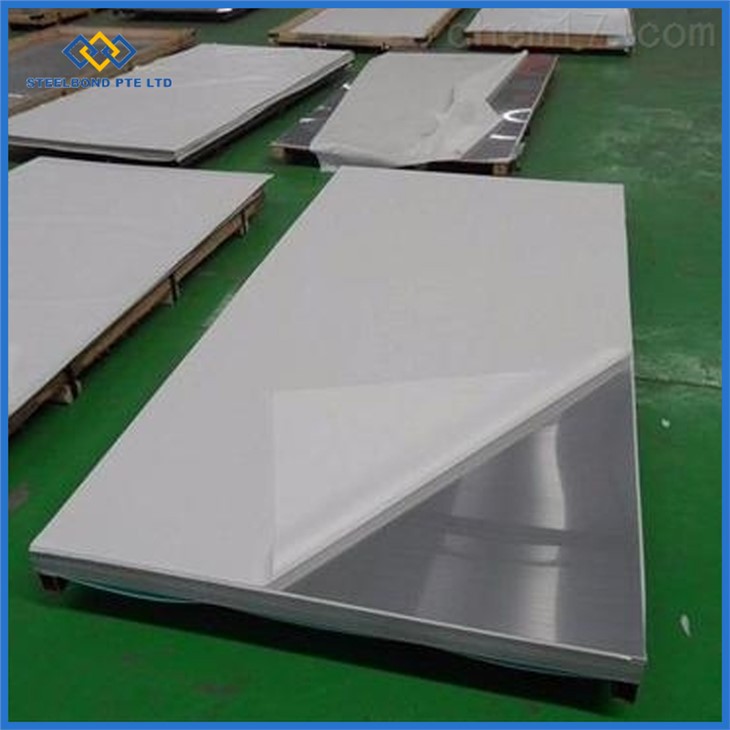
Carbon steel plate usually been considered as the steel that does not contain much alloy steel elements. Generally, elements are C, Mn, P, S, Si, besides these there are no minimum limits for elements of Al, Cr, Ni, Mo, V etc.
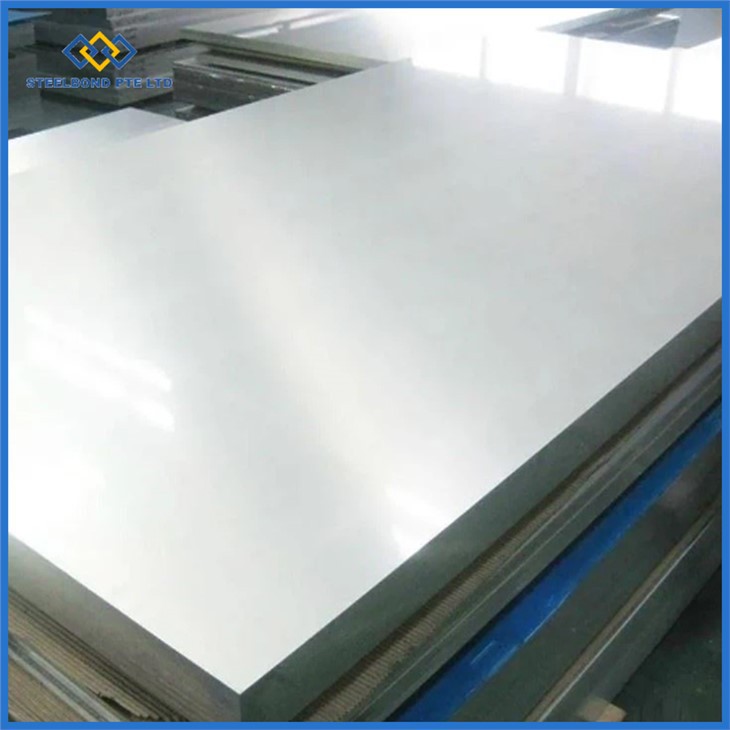
Pressure vessels are defined as closed containers that hold gases or liquids at a pressure substantially different than the ambient pressure.
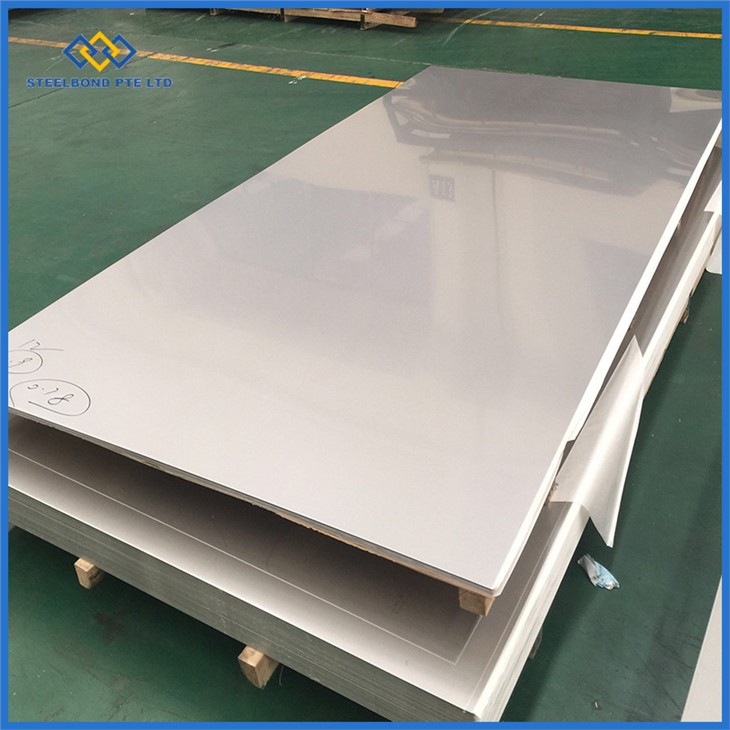
Offshore and marine steel plate is specifically certified for use in maritime projects by regulatory organizations, including the American Bureau of Shipbuilding (ABS).
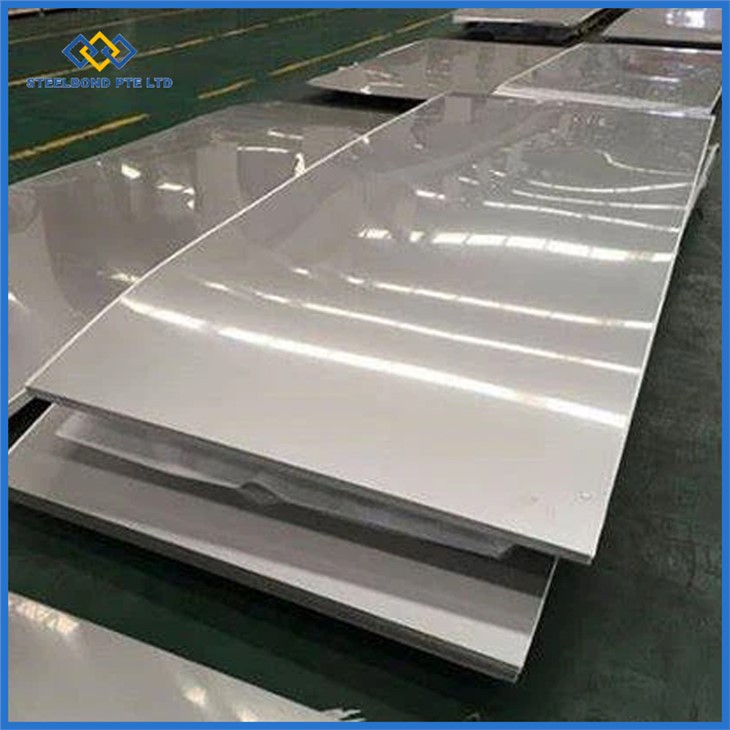
High Strength Steel Plate is a material used to make several products from plates to sheets. The properties inherent by these plates depend upon the elements added to them.
Steel is one of the most important materials for the construction of new passenger and merchant ships and yachts, as well as for repairs and conversions.
Why Choose Us
Strong production chain
We have a strong supply chain with major distributors in China and other Asian regions to meet the stringent requirements of your project.
Professional team
STEELBOND PTE LTD has the most professional quality assurance team to ensure that AML and technical requirements are met, while providing quality products and services on time at the most competitive prices.
High-quality products
Committed to providing high-quality products and services efficiently, ensuring project safety, and making the world know more about Chinese steel.
Product diversification
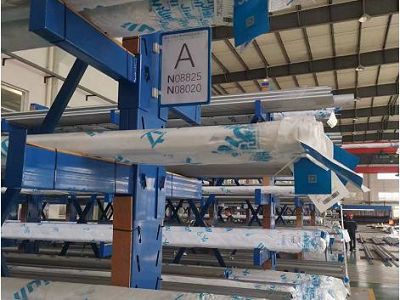
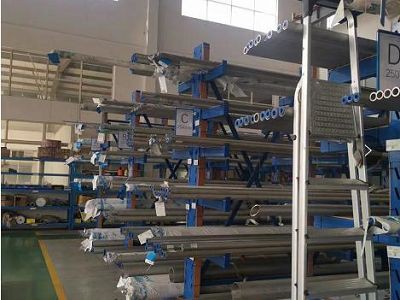
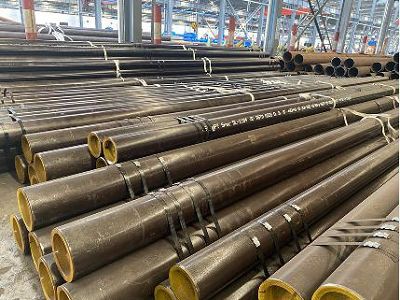
The main inventory includes pipes and bars of stainless steel, duplex stainless steel, super duplex stainless steel, nickel alloy, Hastelloy and other grades.
Types of High Strength Steel Plate
High strength interstitial-free steels (if steels)
High-strength if steels belong to the product family of conventional high-strength steels by adding different kinds of solid-solution-strengthening alloys such as p, mn, si, and proper rolling process control. The high-strength interstitial free steel properties feature the best formability and stamping performance of conventional high-strength steels, making it very suitable for complex-shaped automotive steel parts that have high requirements for deep drawing suitability and strength.
High strength bake-hardening steels (bh steels)
Bake hardenable (bh) steel grades are conventional high-strength steels with baking hardening effects, suitable for car exposed panels. Bh steels exhibit an increase in yield strength after room-temperature stamping followed by bake hardening processing through a thermal cycle comparable to the time-temperature profile used in paint baking, which is commonly seen in automotive painting processes.
Phosphorus-containing steel
Phosphorus-containing steel uses the solid solution strengthening element phosphorus to increase the strength of the steel plate so that it can be applied to some automobile stamping parts with more complicated shapes.
Ultra-low carbon phosphorus-containing steels
Ultra-low carbon high-strength phosphorous steels are favored for their deep drawability, formability, and toughness. Solid solution strengthening alloys such as p, mn, and si ensure their strength.
Isotropic steels ((i-steels)
Isotropic steels are low-carbon low-alloyed steel, mainly used for automobile outer panels, and have been commercialized in europe. The steel product categories are divided into cold-rolled steels, electro-galvanized steel, and hot-dip galvanized and hot-dip galvanized alloyed products, which are mainly used in european series models, while japanese cars are rarely used.
High-strength low alloy steels (hsla steels)
High strength low alloy steels, commonly known as hsla steels, are produced by adding a small number of microalloying elements like cb, ti, mo, v, etc., which offer excellent strength and weldability to it. The main mechanisms include grain refinement, precipitation strengthening, solid solution strengthening, and even phase-change strengthening.
Application of High Strength Steel Plate
Automotive industry
The automobile industry is one of the most significant users of high-strength steel plates. Car manufacturers increasingly use high-strength steel plates to improve their cars’ rigidity, durability, and safety. Automobiles use high-strength steel plates to manufacture crash-resistant structures, ensuring that passengers are safe during a collision.
Shipbuilding industry
Shipbuilding is another industry that requires high-quality steel plates. A ship’s hull is built primarily using steel plates, and using high-strength steel plates improves the ship’s structural integrity, making it more durable and long-lasting. Using high-strength steel plates also means that ships can carry more cargo without becoming too heavy.
Energy industry
The energy industry is yet another sector that uses high-strength steel plates in its structures. This type of steel is used to construct wind turbines, transmission towers, and other energy-related structures. High-strength steel limits maintenance costs and increases the equipment’s overall product life, making it a cost-effective investment in the long run.
Construction and infrastructure
High-strength steel plates are commonly used in the construction industry to create bridges, tunnels, and high-rise buildings. This steel plate can withstand high loads and pressure, making it ideal for building facilities that must remain stable and secure under extreme conditions.
Heavy equipment manufacturing
High-strength steel plates are widely used in manufacturing heavy equipment such as cranes, excavators, bulldozers, and other earthmoving equipment. These machines are subject to heavy loads and pressures daily, and high-strength steel plates are essential to ensure that components remain intact and that the machine can perform to its fullest potential.
10 gauge steel thickness
10 gauge steel is generally used for construction purposes, such as building decks and fences. The thickness of 10 gauge steel is 0.1406 inches. 10 gauge mild steel is often used in manufacturing, fabrication, and construction applications due to its strength and versatility.
11 gauge steel thickness
11 gauge steel is a slightly thinner steel than ten gauge steel. The thickness of 11 gauge steel is 0.126 inches. Mostly 11 gauge steel is used for school furnishings like logo park benches and picnic tables in indoor and outdoor areas.
12 gauge steel thickness
12 gauge steel is thinner steel than 11 gauge steel. The thickness of 12 gauge steel is 0.1093 inches. Mostly 12 gauge steel is used in industrial buildings.
14 gauge steel thickness
14 gauge steel is thinner steel than twelve gauge steel. The thickness of 14 gauge steel is 0.0781 inches. Mostly 14 gauge steel is used for cnc machining, fasteners, fencing, erosion control, pop displays, and decking.
16 gauge steel thickness
16 gauge steel is thinner steel than fourteen gauge steel. The thickness of 16 gauge steel is 0.0625 inches. Mostly 16 gauge steel is used to make kitchen appliances like sinks and countertops, industrial equipment such as food processing machinery and tanks, and medical devices such as surgical tables or dental implants. With the increment in the gauges, the thickness decreases, and with the change in thickness strength changes.
How to Maintain High Strength Steel Plate
High strength steel plate is a great material for outdoor use due to its high tensile strength, corrosion resistance, and weathering properties. However, proper protection from moisture is essential to ensure that it lasts a long time without rusting or losing structural integrity. The best way to protect against moisture is by applying a coat of sealant or waterproof paint. Once the surface has been sealed, an additional coating layer should be applied to protect against uv rays and water damage. Lastly, regular maintenance, such as cleaning off dirt and debris, should be conducted to keep the high strength steel plate looking new and attractive longer than expected!
High strength steel plates must be cared for properly to last and retain their beautiful orange-brown colour. The easiest way to clean corten steel is by using a water hose with a light spray setting, or, if you need more pressure, use a pressure washer set on the lowest setting available. Avoid high-pressure washers, as they can damage the surface of your corten sheet. Once you’re done cleaning, apply an oil-based sealer yearly to prevent rusting. Additionally, remember that cleaning may not always restore the original colour of your sheet, and some discolouration may remain, so it’s good practice to maintain them regularly over time.
High strength steel plate is known for its durability and weather-resistant properties but requires special care. To ensure your high strength steel plateting lasts as long as possible, apply a protective paint, varnish or sealant coating. Make sure to select a product specifically designed for corten steel to avoid any further damage or discolouration. To prepare the surface for painting, wash it with mild soap and water before drying thoroughly with a soft cloth. Finally, apply two even coats of your chosen protective coating with an appropriate brush or sprayer, allowing each coat to dry completely before applying the next one. These simple steps can help keep your high strength steel plates looking beautiful for years!
High strength steel plate, or weathering steel, is a great material for outdoor installations. To ensure its longevity and keep it looking good in the long run, there are several steps to take when caring for high strength steel plates. First, if you come across any dirt or debris on your high strength steel plate panelling surface, use mild soap, water, and a soft brush to clean it off. Additionally, avoid using salt or other additives that can damage the protective layer of rust on corten’s surface when exposed to air moisture – this layer helps protect against further corrosion from salt-based elements. If possible, set up your high strength steel plate away from areas likely to have high levels of salt exposure (like near oceans). Lastly, create an annual maintenance schedule where you check the condition of your panelling regularly and reapply a protective coating every 3-5 years with an epoxy coating like polyurethane. This will help preserve its integrity over time!
The best way to care for your high strength steel plate is to keep it dry, clean, and debris-free. Inspect your high strength steel plate to check for any signs of rust or corrosion and address them immediately. You can use a wire brush to remove rust spots but don’t sandpaper your high strength steel plate as it can strip off the patina.
How to Choose a High Strength Steel Plate
Define your requirements
Defining your requirements is important before selecting high-tensile steel plates for your project. This includes considering factors such as the type of application, required strength, thickness of the plate, and any additional specifications or certifications applicable to your project. Clearly defining your requirements can narrow your selection and reduce the likelihood of choosing inappropriate material.
Materials
High-tensile steel plates come in various materials, each with its specific properties. Common materials include s690, s960, s1100, and s1300. The material you choose will depend on the specific requirements of your project. For example, s690 is popular for offshore applications due to its excellent strength and corrosion resistance. S960 and above are commonly used in mines and heavy machinery due to their superior durability.
Quality
The quality of high tensile steel plates can vary greatly, even within the same material category. It’s essential to ensure that the material you choose meets your project’s specifications and certifications. Be sure to choose a reputable supplier who can provide traceability and necessary documentation, such as mill test reports.
Plate dimensions
Along with material selection, the dimensions of the high-tensile steel plate are essential. It’s important to select the correct thickness and plate dimensions to ensure the plate works correctly in your application. This can be influenced by several factors, such as the weight and size of the equipment, the load capacity, and the type of stresses expected during operation.
Price
Finally, the high tensile steel plates’ cost is crucial when deciding on the right material for your project. High tensile plates can be expensive, so it’s essential to balance the cost with the required properties and qualities of the material. While the cheaper option may appear appealing on paper, choosing lower-quality materials can lead to unexpected costs through repair, replacement, or downtime that could offset the savings.
Company Introduction
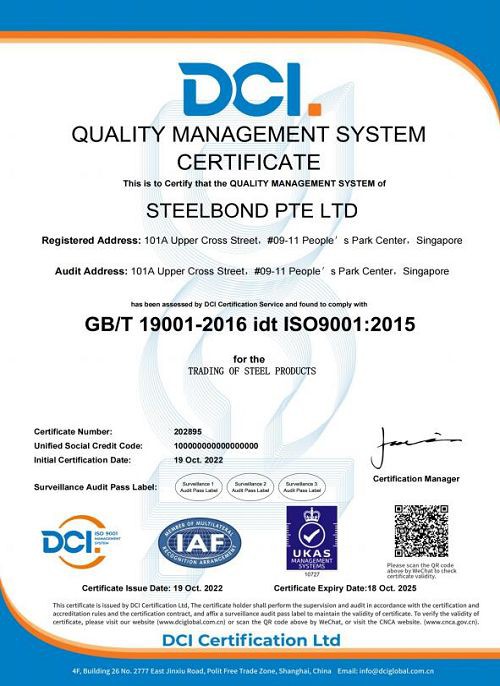
STEELBOND PTE LTD is a leading steel distributor established in 2014 in Singapore, we offer a diverse range of ferrous and non-ferrous products from reputable and accredited mills and We have a strong supply chain with major stockists in China and other Asia area to meet the Stringent requirement with your project.
Driven by its customer-focus value, STEELBOND PTE LTD has consistently applied innovative and best-practice processes to give its clients reliable products and on-time services.
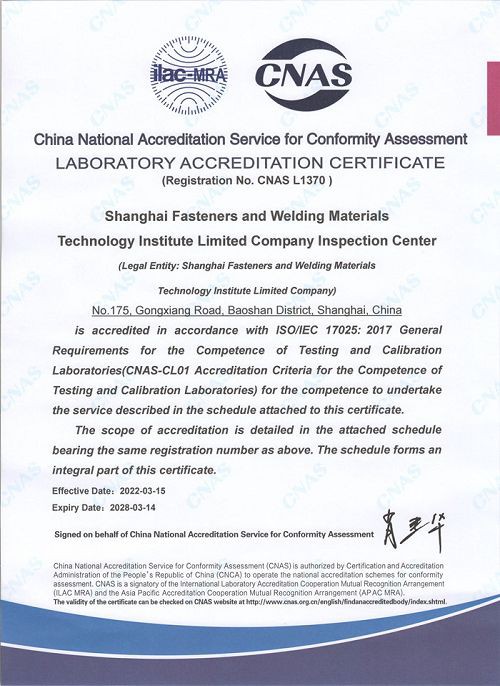
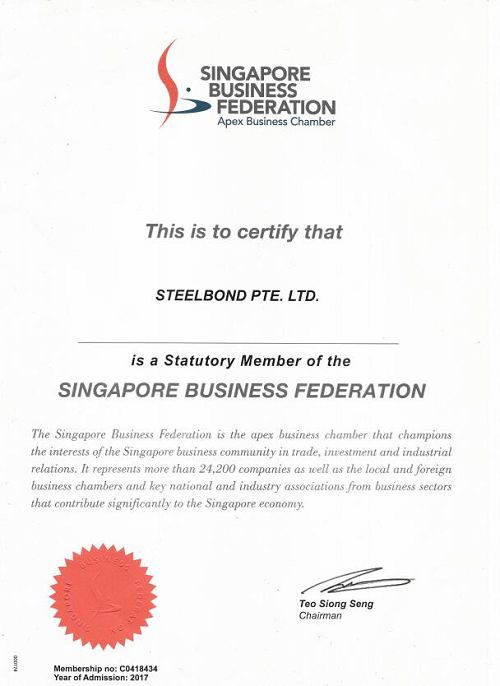
Our Certificate
FAQ
Q: What is a high-strength steel?
Q: What is the difference between high-strength steel and normal steel?
Q: What are the grades of high-strength steel plate?
Q: When to use high-strength steel?
Q: What MPa is high-strength steel?
Q: What is the standard for high strength steel?
Q: What is the density of high strength steel?
Q: What is the MPa for extra high strength steel?
Q: What is the difference between high strength steel and stainless steel?
Q: How can you tell if steel is high quality?
Metallurgical testing to gauge its makeup. …
Stress testing to see how it will react to factors such as temperature, corrosion, and impact. …
Tensile strength and hardness testing to determine the durability of steel.
Q: How to identify high strength steel?
Q: What is the most common high strength steel?
Q: What is the strongest steel plate?
Q: What is the strongest grade of steel?
Q: What is the meaning of high-strength steel?
Q: Where is high-strength steel used?
Q: What is the difference between mild steel and high-strength steel?
Q: What is 250 MPa mean?
Q: Can high strength steel be repaired?
Q: What is 550 MPa mean?
Hot Tags: high strength steel plate, China high strength steel plate manufacturers, suppliers, factory
Send Inquiry
Tell us the grade, size and quantity you need — we reply within 24 hours.