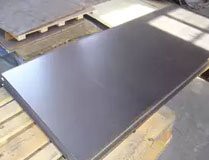
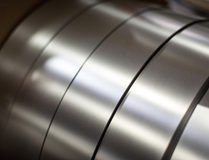
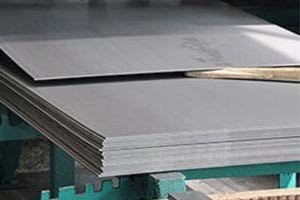
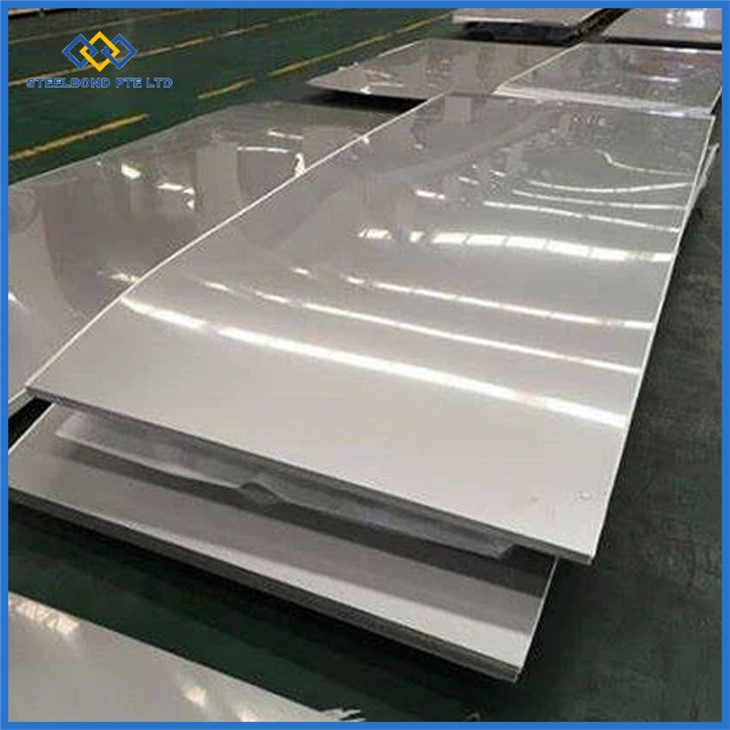
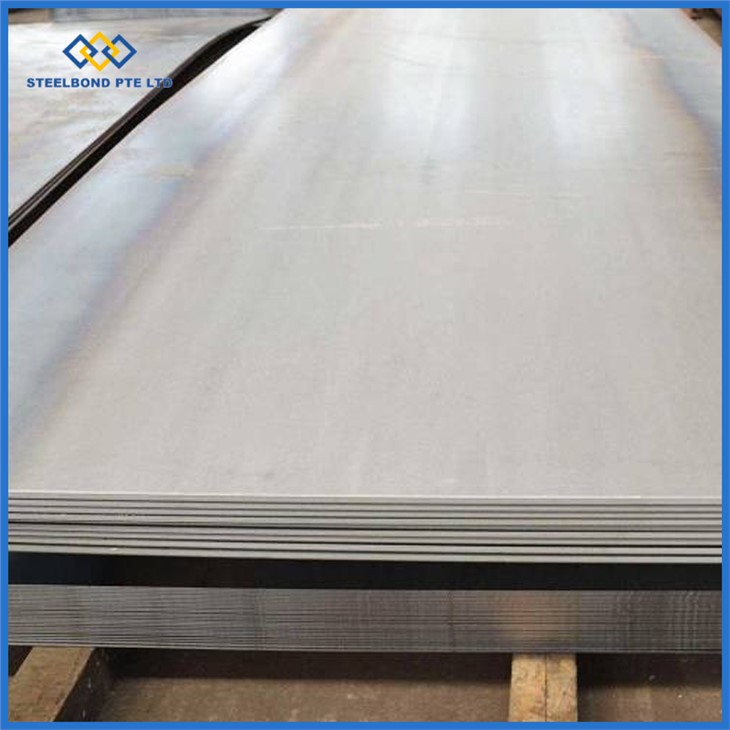
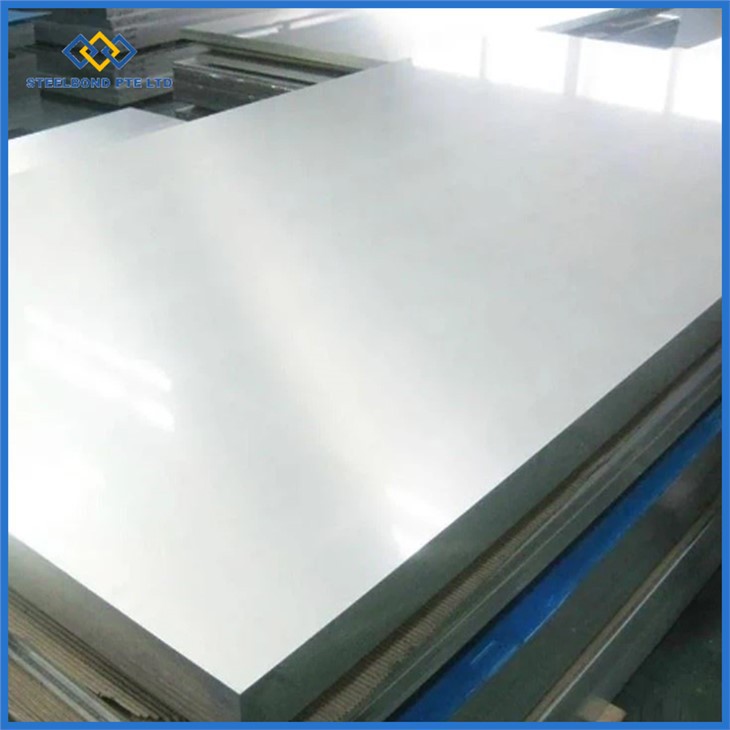
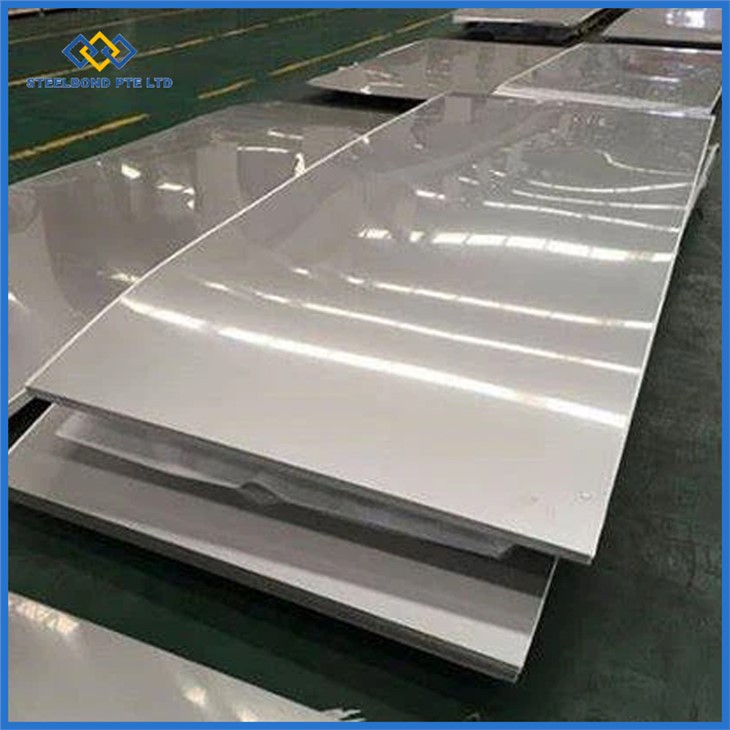
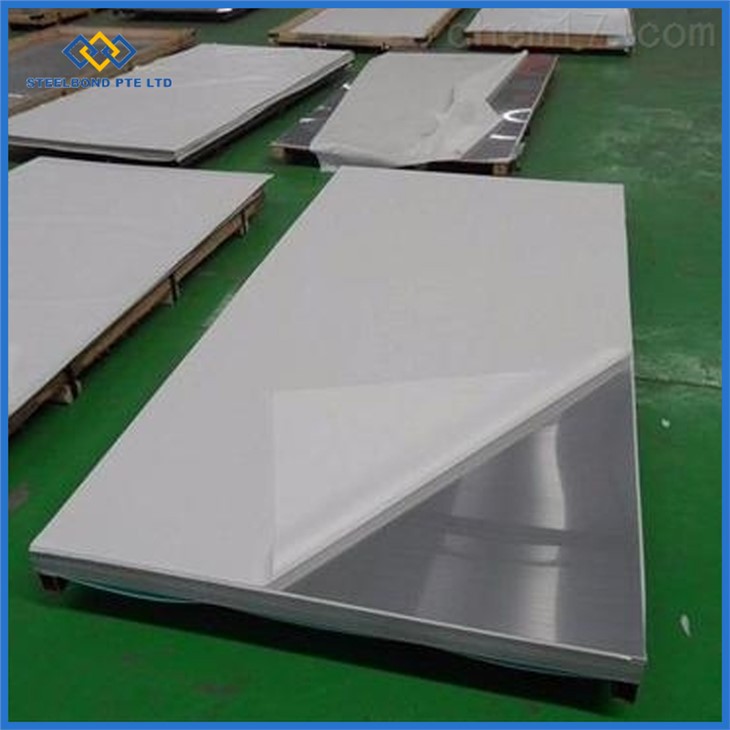
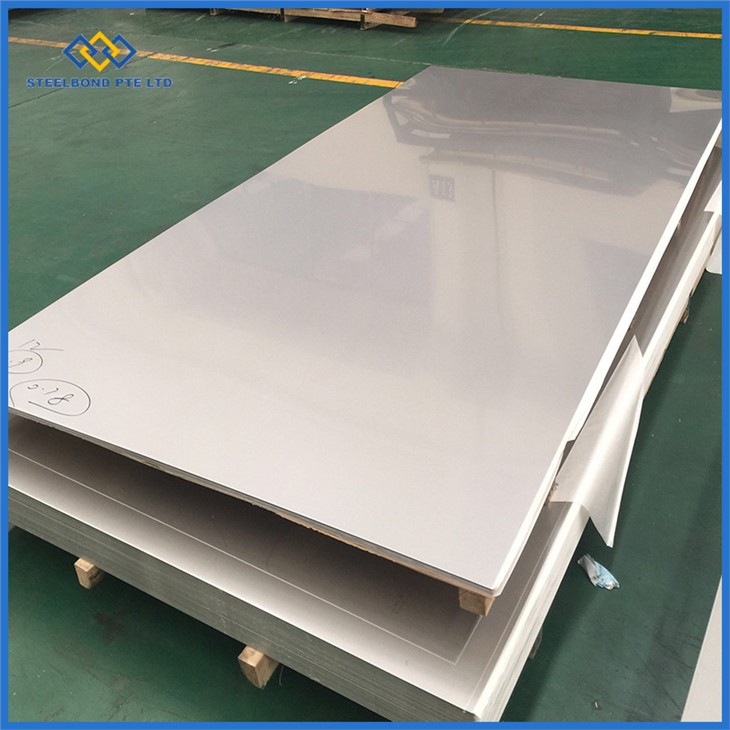
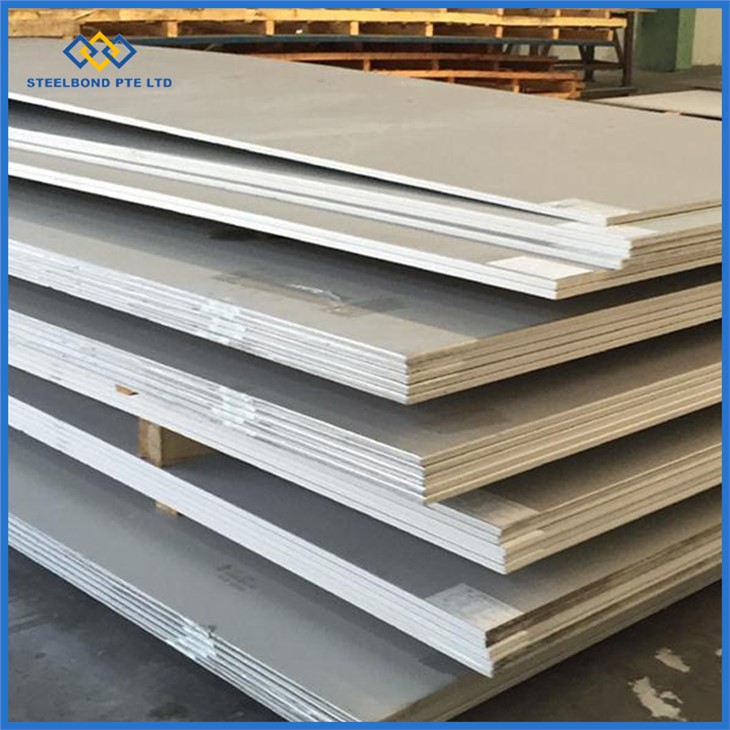
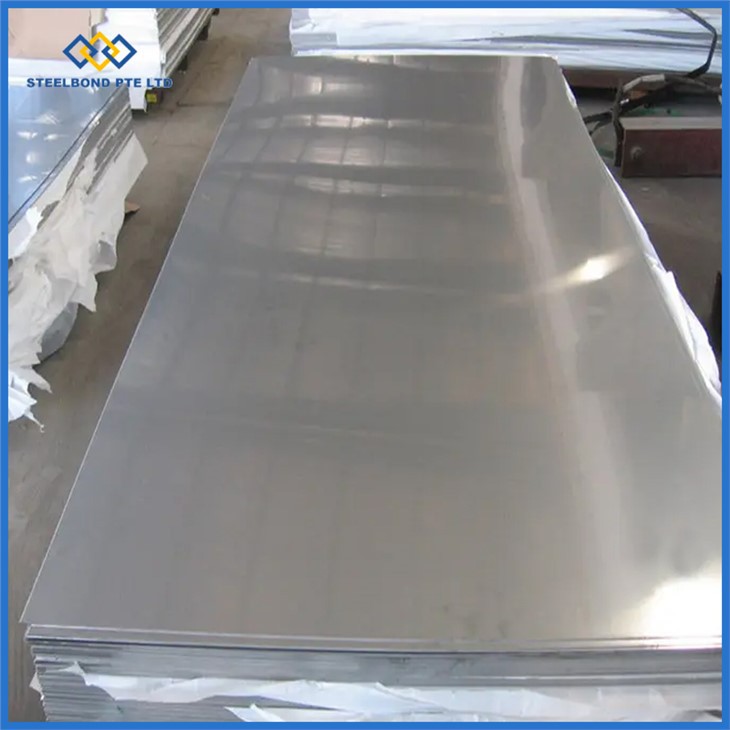
Nickel 200 Plate

Nickel Alloy 200

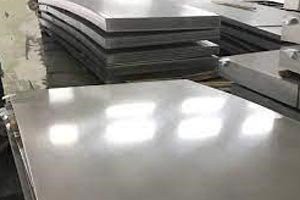
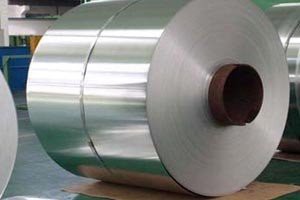
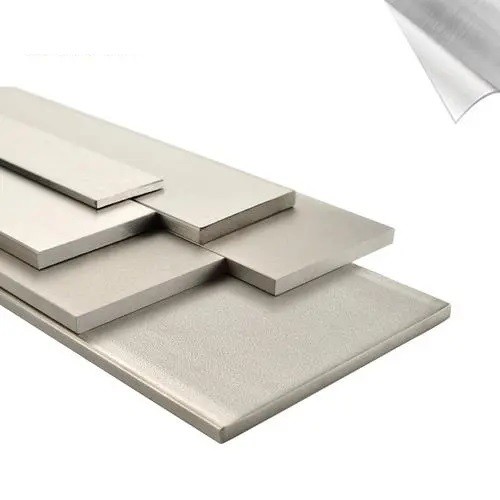
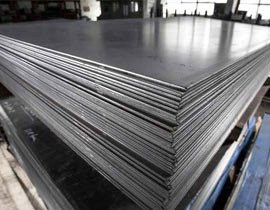
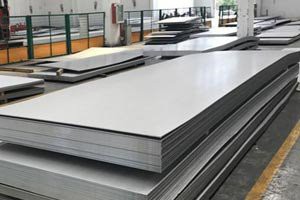
NICKEL200 PLATE.jpg

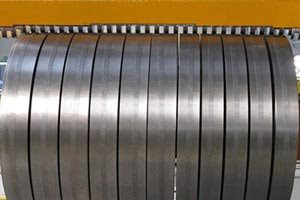
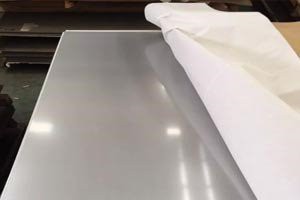
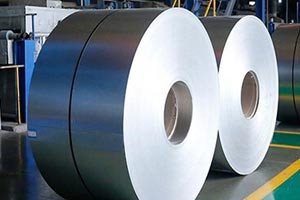
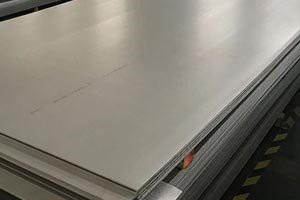
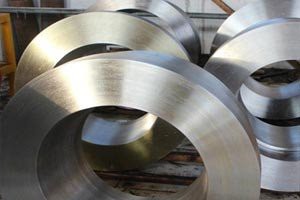
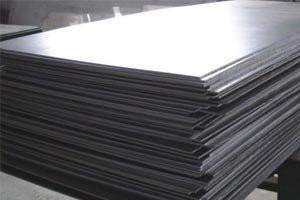
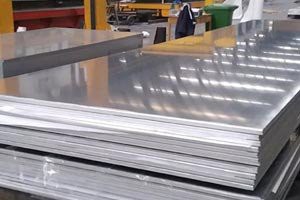
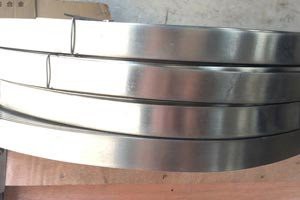
Nickel 200 (UNS N02200/W.Nr. 2.4060 & 2.4066) is a wrought nickel that is 99.6% pure and commonly used in commercial applications. Nickel 200 (UNS N02200/W.Nr. 2.4060 & 2.4066) offers impressive mechanical properties and outstanding resistance to numerous corrosive environments. The alloy also possesses valuable attributes such as magnetic and magnetostrictive properties, superior thermal and electrical conductivities, minimal gas content, and negligible vapor pressure.

Nickel 200’s corrosion-resistant properties make it an ideal choice for industries that require maintaining product purity such as in the handling of foods, synthetic fibers, and caustic alkalies. It is also highly sought after for structural applications where resistance to corrosion is of utmost importance.

Nickel 200 is also utilized in various industries beyond food and synthetic fibers, such as in the production of chemical shipping drums, electrical and electronic components, and even in highly specialized aerospace and missile parts.

Nickel 200 (UNS N02200/W.Nr. 2.4060 & 2.4066) Limiting Chemical Composition, (%) by Weight:

Nickel (plus Cobalt) 

99.0 min

Copper

0.25 max

Iron

0.40 max

Manganese

0.35 max

Carbon

0.15 max

Silicon

0.35 max

Sulfur

0.01 max


Specification

ASTM B 162/ ASME SB 162, DIN 17750, ISO 6208 

STANDARD

ASME, ASTM, AISI, AMS, JIS, EN, DIN, GB/T

Grade

UNS N02200/W.Nr. 2.4060 & 2.4066

Thickness

Sheet, plate, Strip by Coil

Surface Finish

As Rolled. Shot blasted, Pickled. Ground, Milled

Edge Finish

Shear cut, laser cut, Cold sawn, Plasma cut

Origin of raw materials

CHINA,USA,EUROPE,JAPAN,KOREA

Brand we mainly distributed

BAO STEEL, TiSteel , BAOTi


Value added services available

Cut-to-size

Laser cutting

Water Jet Cutting.

Package

· ISPM15 Wooden Boxes/Pallet

· Standard seaworthy export packing

· or as required


Hot Tags: nickel 200 plate, China nickel 200 plate manufacturers, suppliers, factory

Monel 400 Plate

Monel 400 Plate

Monel refers to a family of nickel alloys primarily composed of nickel the most and copper alongside various other elements. Cupronickel is the term used to describe alloys with a higher proportion of copper than nickel. Monel typically consists of a nickel content ranging from 52% to 67%. Compared to pure nickel materials, Monel’s composition and properties provide it with increased strength and durability. Monel can be formed through either hot rolling or cold drawing processes. Monel products produced by cold drawing exhibit high dimensional accuracy while hot-rolled ones possess superior strength. The Monel alloy demonstrates exceptional resistance to the rapid flow of seawater, among other environmental factors. Due to its resistance to the rapid flow of seawater, Monel is an ideal material for use in marine and seawater applications. It is easy to be welded, machined, and cold worked upon this material.


The MONEL® nickel-copper alloy 400 (UNS N04400/ W.Nr. 2.4360 and 2.4361) can only be strengthened through cold working due to its solid-solution structure. The Monel alloy exhibits outstanding strength and resilience across various temperatures, and remarkable resistance to a multitude of corrosive environments. The versatile Alloy 400 finds extensive applications in various industries, particularly in marine and chemical processing. Typical applications are valves and pumps; pump and propeller shafts; marine fixtures and fasteners; electrical and electronic components; springs; chemical processing equipment; gasoline and fresh water tanks; crude petroleum stills, process vessels, and piping; boiler feedwater heaters and other heat exchangers; and deaerating heaters.


monel-400-plate1 strip1_1 monel-400-plate2


Specification

ASTM B127, SAE AMS 4544

Standard

ASME, ASTM, AISI, AMS, JIS, EN, DIN, GB/T

Grade

UNS N04400, 2.4360, alloy 400, Monel 400

Thickness of Plate

4.76MM-70MM and width >250mm

Thickness of sheet

Thickness <4.76MM and width >600mm

Thickness of Strip

Thickness <4.76MM and width <600mm

Finish for sheet

No.1 finish-hot roolled, annealed and descaled

No.2D finish-cold-rolled, dull finish

No.2B finish-cold-rolled, bright finish

No.3 finish-intermediate polished finish, one or both sides

No.4 finish-general purpose polished finish, one or both sides

No.6 finish-dull satin finish, tampico brushed, one or both sides

No.7 finish-high luster finish

No.8 finish-mirror finish

Finish for strip

No.1 finish-cold rolled to specified thick-ness, annealed, and descaled

No.2 finish-same as No.1 finish, followed by a final light cold-roll pass, general on highly polished rolls

Bright annealed finish-a bright cold-rolled finish retained by final annealing in a controlled atmosphere furnace

Polished finish-strip is also available in polished finishes such as No.3 and No.4

Finish for plate

Hot-rolled or cold rolled, and annealed or heat treated, and blast cleaned or pickled

Hot rolled or cold rolled, annealed or heat treated, blast cleaned and /or ground

Hot rolled or cold rolled, annealed or heat treated, blast cleaned and /or ground, and pickled

Edges for cold rolled strip

No.1 edge-a rolled edge, either round or square as specified.

No.3 edge-an edge produced by slitting

No.5 edge-an approximately square edge produced by rolling or filing after slitting

Delivery condition

Annealed, hot rolled, cold rolled, pickled, hard

Product type

Plate, sheet, coil, strip, foil, ribbon, wire

Origin of raw materials

CHINA, USA, EUROPE, JAPAN

Brand we mainly distributed

BAO STEEL, He-cheng nickel

Value added services available

Cut-to-length

Laser cutting

Third party witness and test arrangement

Edge preparation

Color coding

Package

Wooden Boxes

Wooden pallets

Steel Strips Bundled

Standard seaworthy export packing

As required


Hot Tags: monel 400 plate, China monel 400 plate manufacturers, suppliers, factory

N06600 Plate

Alloy 600 Plate

INCONEL® (nickel-chromium-iron) N06600 Plate (UNS N06600/W.Nr. 2.4816) is a material commonly used in engineering applications that demand corrosion resistance and heat resistance. This alloy possesses exceptional mechanical characteristics, presenting a commendable blend of impressive strength and easy workability

This alloy’s considerable nickel content provides it with the ability to resist corrosion caused by a wide range of organic and inorganic substances. In addition, the high nickel content also provides exceptional resistance to stress-corrosion cracking induced by chloride ions, rendering this alloy almost impervious to such corrosion.

INCONEL N06600 Plate’s adaptability has resulted in its utilization in numerous applications that require temperatures ranging from cryogenic conditions to temperatures exceeding 2000°F (1095°C).

This alloy is widely utilized in the chemical field due to its robustness and ability to resist corrosion. Applications include heaters, stills, bubble towers, and condensers for the processing of fatty acids. It is also used for making evaporator tubes, tube sheets, and flaking trays for producing sodium sulfide as well as for creating equipment for handling abietic acid in paper pulp manufacturing.

Due to its ability to withstand high temperatures and resist oxidation, this alloy has numerous applications in the heat treatment industry. This material is utilized in the fabrication of furnace components such as retorts, muffles, and roller hearths, as well as heat-treating baskets and trays.

INCONEL N06600 Plate is utilized in the aeronautical industry for manufacturing engine and airframe components that are required to withstand elevated temperatures. Some examples of components manufactured using INCONEL alloy 600 in the aeronautical field are exhaust liners, turbine seals, and lock wire.


inconel-600-plate2 inconel-600-sheets nickel-alloy-600-coil

Specification

ASTM B 168/ASME SB 168, ASTM B 906/ASME SB 906, ASME Code Cases 1827 and N-253, SAE/AMS 5540, BS 3072NA14 and 3073NA14, DIN 17750, ISO 6208, EN 10095, MIL-DTL-23228.C12

STANDARD

ASME, ASTM, AISI, AMS, JIS, EN, DIN, GB/T

Grade

UNS N06600, 2.4816, alloy 600, Inconel 600

Thickness of Plate

4.76MM-70MM and width >250mm

thickness of sheet

thickness<4.76mm and=”” width=””>600mm

Thickness of Strip

thickness<4.76MM and width <600mm

Finish for sheet

No.1 finish-hot rolled, annealed, and descaled

No.2D finish-cold-rolled, dull finish

No.2B finish-cold-rolled, bright finish

No.3 finish-intermediate polished finish, one or both sides

No.4 finish-general purpose polished finish, one or both sides

No.6 finish-dull satin finish, Tampico brushed, one or both sides

No.7 finish-high luster finish

No.8 finish-mirror finish

Finish for strip

No.1 finish-cold rolled to specified thickness, annealed and descaled

No.2 finish as No.1 finish, followed by a final light cold-roll pass, generally on highly polished rolls

Bright annealed finish bright cold-rolled finish retained by final annealing in a controlled atmosphere furnace

polished finish-strip is also available in polished finishes such as No.3 and No.4

Finish for plate

Hot-rolled or cold-rolled, annealed or heat-treated, and blast-cleaned or pickled

hot rolled or cold rolled, annealed or heat treated, blast cleaned and/or ground

hot rolled or cold rolled, annealed or heat treated, blast cleaned and/or ground, and pickled

Edges for cold rolled strip

No.1 edge rolled edge, either round or square as specified.

No.3 edge-an edge produced by slitting

No.5 edge-an approximately square edge produced by rolling or filing after slitting

Delivery condition

Annealed, hot rolled, cold rolled, pickled, hard

Product Type

Plate, sheet, coil, strip, foil, ribbon, wire

Origin of raw materials

CHINA, USA, EUROPE, JAPAN

The brand we mainly distributed

BAO STEEL, He-cheng Nickle

Value-added services available

Cut-to-length

Laser cutting

Third-party witness and test arrangement

Edge preparation

Color coding

Package

· Wooden Boxes

· Wooden pallets

· Steel Strips Bundled

· Standard seaworthy export packing

· as required

Hot Tags: n06600 plate, China n06600 plate manufacturers, suppliers, factory

C276 Plate

Alloy C-276 / UNS N10276 / W.Nr. 2.4819

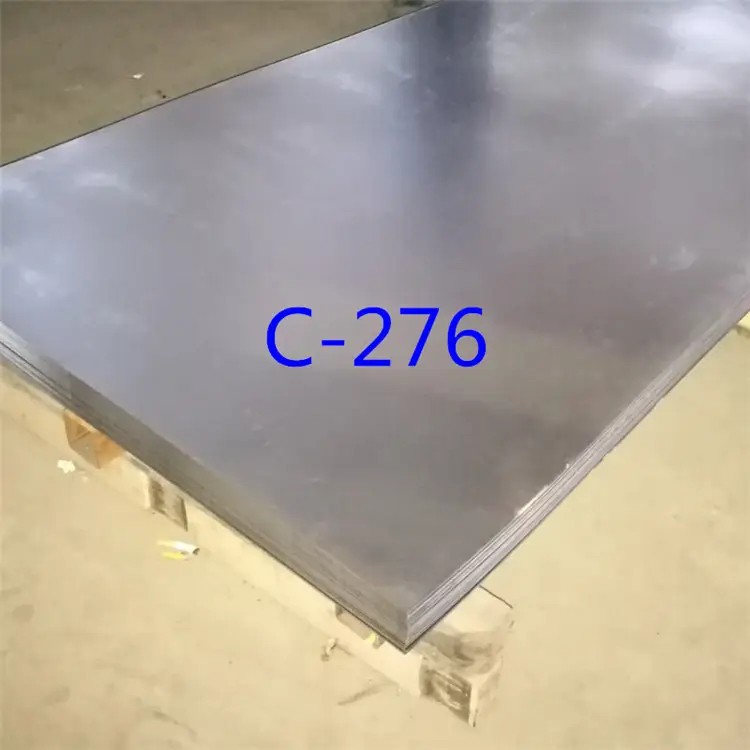
C276 PLATE.jpg

Alloy C-276 is a nickel-molybdenum-chromium alloy that has been strengthened by the addition of a small amount of tungsten. Alloy C-276 shows remarkable resistance to corrosion in diverse challenging environments and media. Similar to numerous other nickel alloys, it possesses ductility and can be readily formed and welded. In virtually all industrial situations where harsh chemical environments exist, Alloy C-276 is the preferred choice due to its ability to outperform other alloys that have failed in such conditions.


Industries and Applications

Alloy C-276 finds extensive application in a variety of industries such as chemical and petrochemical processing, power generation, pharmaceuticals, oil and gas, pulp and paper production, and wastewater treatment. Alloy C-276 is utilized for a wide range of end-use applications, including stack liners, ducts, dampers, scrubbers, stack gas reheaters, heat exchangers, reaction vessels, evaporators, transfer piping, and various other applications that are highly prone to corrosion.


Resistance to Corrosion

Alloy C-276 is widely recognized as one of the most corrosion-resistant alloys currently available in various industrial sectors. Alloy C-276 is applied in diverse environments that span from moderately oxidizing to highly reducing conditions. Alloy C-276 exhibits outstanding resistance to a range of highly corrosive agents, including sulfuric acid, hydrochloric acid, formic acid, acetic acid, chlorides, solvents, wet chloride gas, hypochlorite, and chlorine solutions. Alloy C-276 exhibits superior resistance to phosphoric acid in solutions with concentrations below 65% and at temperatures lower than the boiling point.


Alloy C-276 demonstrates excellent performance against pitting, stress corrosion cracking, and oxidizing environments. In addition to its other formidable corrosion-resistant qualities, Alloy C-276 displays impressive ability to withstand attack from seawater in crevices, an issue that frequently plagues other industrial materials.


Chemical Composition

Weight %

C

P

Si

Ni

Co

W

Mn

S

Cr

Mo

V

Fe

C276

0.01 max

0.040 max

0.08 max

Bal

2.5 max

3-4.5

1.00 max

0.030 max

14.5-16.5

15-17

0.35 max

4-7


Typical Mechanical Properties

Material

Ultimate Tensile (min)

Yield Strength (Min)

Elongation %

Hardness RB

KSI

MPa

KSI

MPa

C276 Tube

105.4

727

45.4

313

70

92

C276 Plate

107.4

741

50.3

347

67

89

C276 Bar

110.0

758

52.6

363

62

88

C276 Sheet

115.5

796

54.6

376

60

86


Specification

ASTM B 575/B 906 & ASME SB 575/ VdTÜV 400

STANDARD

ASME, ASTM, AISI, AMS, JIS, EN, DIN, GB/T

Grade

UNS N10276 / W.Nr. 2.4819

Dimensions

Max. Width 2500mm x max. Length: 7000mm

Thickness:

1.5mm upto 90mm

Surface Finish

As Rolled. Shot blasted, Pickled. Ground, Milled

Edge Finish

Shear cut, laser cut, Cold sawn, Plasma cut

Origin of raw materials

CHINA, USA, EUROPE, JAPAN, KOREA

Brand we mainly distributed

BAO STEEL, TiSteel, BAOTi

Value added services available

Cut-to-size
Laser cutting
Water Jet cuttig

Package

ISPM15 Wooden Boxes/Pallet
PE Fabric Bundles
Steel Strips Bundled
Standard seaworthy export packing
Plastic Bags, or as required


Hot Tags: c276 plate, China c276 plate manufacturers, suppliers, factory

C22 Plate

C22 / Alloy 22

C22 PLATE.jpg

Alloy 22, also identified as UNS N06022, W. Nr. 2.4602, and NiCr21Mo14W, is a highly advanced, fully austenitic alloy that demonstrates exceptional resistance to both aqueous corrosion and attack at elevated temperatures. Alloy 22 exhibits outstanding protection against general corrosion, crevice corrosion, pitting, intergranular attack, and stress corrosion cracking.


With a nickel-base composition, Alloy 22 typically includes 22% chromium, 14% molybdenum, and 3% tungsten. The iron content in Alloy 22 is typically restricted to less than 3%. Alloy 22’s chromium content enables it to withstand wet corrosion caused by oxidizing agents, such as nitric acid, ferric and cupric salts. The presence of molybdenum and tungsten in Alloy 22 provides it with excellent protection against corrosion by wet reducing agents, such as sulfuric and hydrochloric acids. Alloy 22 demonstrates exceptional ability to withstand corrosive damage from stagnant and flowing seawater.


INCONEL alloy 22’s elevated temperature durability is supported by its abundant chromium content, which safeguards against oxidation, carburization, and sulfidation. Due to its nickel-based composition, alloy 22 has the ability to withstand high-temperature corrosion caused by halides such as chlorides and fluorides. Alloy 22’s exceptional features have led to its widespread use in protecting steel tubes and other components in boilers fueled by coal and waste-to-energy sources.


Chemical Composition

Weight %

Ni

Cr

Mo

Fe

W

Co

V

C

Mn

S

Si

P

Alloy 22

Bal

20-22

12.5-14.5

2-6

2.5-3.5

2.5 max

0.35 max

0.015 max

0.50 max

0.02 max

0.08 max

0.02 max


With regulated Iron content and a composition of Nickel, Chromium, Molybdenum, and Tungsten, Alloy 22 (UNS N06022) is the most adaptable alloy of its kind. With its composition, Alloy 22 displays exceptional resistance to environments containing oxidizing and reducing acids, as well as mixed acids. When it comes to specific environments with acid-halides that can cause pitting and crevice corrosion, Alloy 22 is an excellent choice due to its ability to resist these types of corrosion. Alloy 22 finds its use in various industries including pickling chlorination, sulphonation, pollution control, chemical processing, marine operations, and nuclear fuel reprocessing.


Typical Mechanical Properties

Material

Yield Strength (0.2% Offset)

Tensile Strength

Elongation
(%)

KSI

MPa

KSI

MPa

Alloy 22 Bar

55

379

115

793

60


Specification

ASTM B 575/B 906 & ASME SB 575/SB 906, ASME Code Case 2226, ASME Code Case N-621, ISO 6208, DIN 17750

STANDARD

ASME, ASTM, AISI, AMS, JIS, EN, DIN, GB/T

Grade

UNS N06022; W. Nr. 2.4602; NiCr21Mo14W

Thickness

Sheet, plate, Strip by Coil

Surface Finish

As Rolled. Shot blasted, Pickled. Ground, Milled

Edge Finish

Shear cut, laser cut, Cold sawn, Plasma cut

Origin of raw materials

CHINA, USA, EUROPE, JAPAN, KOREA

Brand we mainly distributed

BAO STEEL, TiSteel, BAOTi

Value added services available

Cut-to-size
Laser cutting
Water Jet cuttig

Package

ISPM15 Wooden Boxes/Pallet

Standard seaworthy export packing


Hot Tags: c22 plate, China c22 plate manufacturers, suppliers, factory

Alloy 825 Plate

Incoloy Alloy 825 Plate

INCOLOY® Alloy 825 Plate (UNS N08825/W.Nr. 2.4858) is a composite alloy consisting of nickel, iron, chromium, and various add-ons including molybdenum, copper, and titanium. The chemical composition of this alloy is specifically created to offer outstanding resistance against a variety of corrosive surroundings. The presence of nickel in this alloy is adequate to resist stress-corrosion cracking caused by chloride ions. Additionally, the combination of nickel, molybdenum, and copper provides excellent protection against reducing environments, including those containing sulfuric and phosphoric acids. Additionally, molybdenum plays a crucial role in enhancing the ability of materials to withstand pitting and crevice corrosion. The presence of chromium in the alloy provides protection against oxidizing elements like nitric acid, nitrates, and oxidizing salt by enhancing the material’s resistance to them. With the aid of proper heat treatment, the inclusion of titanium helps to prevent the alloy from becoming sensitized to intergranular corrosion, thereby stabilizing it. 


UNS N08825 is specifically engineered to offer extraordinary resistance against a wide range of corrosive settings. UNS N08825 is similar to alloy 800 but features enhanced resistance to corrosion in aqueous environments. 

It exhibits outstanding resistance to reducing and oxidizing acids, stress-corrosion cracking, and localized forms of corrosion, including pitting and crevice corrosion. 

The material displays favorable mechanical properties that maintain consistency across both normal and elevated temperatures, reaching up to approximately 1000°F.

It permits for pressure-vessel use at wall temperatures up to 800°F.

It has outstanding capacity to withstand the effects of both reducing and oxidizing acids.

The material has impressive durability against stress-corrosion cracking.

It also has acceptable ability to withstand localized forms of corrosion, such as pitting and crevice corrosion.

And it is highly resilient against the harmful effects of sulfuric and phosphoric acids.


incoloy-825-plate

alloy-825-sheet

nickel-825-strip


Specification

BS 3072NA16, BS 3073NA16, ASTM B 424, ASTM B 906, ASME SB 424, ASME SB 906, DIN 17750, VdTÜV 432, ISO 6208

STANDARD

ASME, ASTM, AISI, AMS, JIS, EN, DIN, GB/T

Grade

UNS N08825, 2.4858, alloy 825

Thickness of Plate

4.76MM-70MM and width >250mm

thickness of sheet

thickness <4.76MM and width >600mm

Thickness of Strip

thickness <4.76MM and width <600mm

Finish for sheet

No.1 finish-hot rolled, annealed, and descaled

No.2D finish-cold-rolled, dull finish

No.2B finish-cold-rolled, bright finish

No.3 finish-intermediate polished finish, one or both sides

No.4 finish-general purpose polished finish, one or both sides

No.6 finish-dull satin finish, Tampico brushed, one or both sides

No.7 finish-high luster finish

No.8 finish-mirror finish

Finish for strip

No.1 finish-cold rolled to specified thickness, annealed and descaled

No.2 finish as No.1 finish, followed by a final light cold-roll pass, generally on highly polished rolls

Bright annealed finish bright cold-rolled finish retained by final annealing in a controlled atmosphere furnace

polished finish-strip is also available in polished finishes such as No.3 and No.4

Finish for plate

Hot-rolled or cold-rolled, annealed or heat-treated, and blast-cleaned or pickled

hot rolled or cold rolled, annealed or heat treated, blast cleaned and /or ground

hot rolled or cold rolled, annealed or heat treated, blast cleaned and /or ground, and pickled

Edges for cold rolled strip

No.1 edge rolled edge, either round or square as specified.

No.3 edge-an edge produced by slitting

No.5 edge-an approximately square edge produced by rolling or filing after slitting

Delivery condition

Annealed, hot rolled, cold rolled, pickled, hard

Product form

Plate, sheet, coil, strip, foil, ribbon, wire

Origin of raw materials

CHINA, USA, EUROPE, JAPAN

The brand we mainly distributed

BAO STEEL, He-cheng nickle

Value-added services available

Cut-to-length

Laser cutting

Third party wittness and test arrangement

Edge preparation

Color coding

Package

· Wooden Boxes

· Wooden pallets

· Steel Strips Bundled

· Standard seaworthy export packing

· as required


Hot Tags: alloy 825 plate, China alloy 825 plate manufacturers, suppliers, factory

Alloy 825 Plate

What Is Alloy 825 Plate?


Alloy 825 plate is a nickel-iron-chromium alloy with copper, molybdenum and titanium additions. It offers excellent corrosion resistance in various media, including oxidizing and reducing acids, hot seawater, and chloride environments. The combination of high strength and excellent corrosion resistance makes this alloy popular in marine applications such as piping systems, pumps, valves and tanks. Furthermore, it is highly resistant to stress corrosion cracking (SCC), pitting and crevice corrosion making it well-suited for these demanding environments.


Advantages of Alloy 825 Plate


Corrosion resistance
The alloy has excellent corrosion resistance. Due to the high nickel content, it has excellent resistance to chloride ion stress induced corrosion cracking. The austenitic structure is very stable. The presence of copper and molybdenum makes the alloy resistant to acids and reducing agents. The alloy resists anxiety corrosion cracking, intergranular corrosion, crevice and pitting, general corrosion, etc. It is particularly useful in environments such as seawater, oil wells, phosphoric acid, sulfuric acid, etc.


Multiple applications
Alloy 825 has a variety of uses such as phosphoric acid evaporators, sulfuric acid piping and containers, propeller shafts, electrostatic precipitator electrodes, chemical process equipment, water heaters, tank trucks, ship exhaust systems, expansion bellows, and ammonium sulfate containers. It is also suitable for power station ash hoppers, pickling tanks, pickling tank heaters, and heating containers for seawater, food, and water. For more information on incoloy alloy, click here.


Ease of welding
The alloy can be welded extremely easily by conventional processes such as saw, smaw (manual), gtaw (tig), and gmaw (mig). The joints must be completely clean to avoid contamination of the weld pool. Ease of welding makes 825 alloy very useful.


Ease of fabrication
The alloy can be easily cold worked or hot worked. Cold forming the alloy is more convenient than stainless steel. Hot working temperatures must be in the range of 870–1180°c and can be accomplished at 870–980°c. Hot worked parts need to be stabilized before use for optimum corrosion resistance. Sections larger than wire, plate, and strip need to be quenched to prevent sensitization.


Inconel 600 Plate

N06600 Plate

INCONEL® (nickel-chromium-iron) alloy 600 (UNS N06600/W.Nr. 2.4816) is a standard engineering material for applications which require resistance to corrosion and heat.

Alloy 800 Plate

Alloy 800 Plate

INCOLOY alloy 800 (UNS N08800/W. Nr. 1.4876) is a widely used material for construction of equipment requiring corrosion resistance, heat resistance, strength, and stability for service up to 1500°F (816°C).

Alloy 625 Plate

Alloy 625 Plate

INCONEL® nickel-chromium alloy 625 (UNS N06625/W.Nr. 2.4856) is a nonmagnetic, corrosion and oxidation resistant, nickel-base alloy.

410s Stainless Plate

410s Stainless Plate

Alloy 410S (UNS S41008) is a low carbon, non–hardening modification of Alloy 410 (UNS S41000) the general purpose 12% chromium martensitic stainless steel.

S32205 And S31803 Duplex Stainless Plates

S32205 And S31803 Duplex Stainless Plates

Duplex stainless steel grades have a ferritic-austenitic microstructure, with a phase balance of approximately 50% ferrite and 50% austenite.

High Strength Steel Plate

High Strength Steel Plate

High Strength Steel Plate is a material used to make several products from plates to sheets. The properties inherent by these plates depend upon the elements added to them.

Carbon Teel Plate

Carbon Steel Plate

Carbon steel plate usually been considered as the steel that does not contain much alloy steel elements. Generally, elements are C, Mn, P, S, Si, besides these there are no minimum limits for elements of Al, Cr, Ni, Mo, V etc.

Pressure Vessel Steel Plate

Pressure Vessel Steel Plate

Pressure vessels are defined as closed containers that hold gases or liquids at a pressure substantially different than the ambient pressure.

Offshore Steel Plate

Offshore Steel Plate

Offshore and marine steel plate is specifically certified for use in maritime projects by regulatory organizations, including the American Bureau of Shipbuilding (ABS).


Why Choose Us


Strong production chain

We have a strong supply chain with major distributors in China and other Asian regions to meet the stringent requirements of your project.


Professional team

STEELBOND PTE LTD has the most professional quality assurance team to ensure that AML and technical requirements are met, while providing quality products and services on time at the most competitive prices.


High-quality products

Committed to providing high-quality products and services efficiently, ensuring project safety, and making the world know more about Chinese steel.


Product diversification

The main inventory includes pipes and bars of stainless steel, duplex stainless steel, super duplex stainless steel, nickel alloy, Hastelloy and other grades.


Types of Alloy 825 Plate
 
01/

Brushed aluminum plate
The manufacturing process of repeatedly scraping the aluminum plate out of lines with sandpaper. The main process of process is divided into 3 parts: de-esterification, sand mill and water washing.

02/

Anodized aluminum plate
The aluminum plate is formed by placing the aluminum plate in the corresponding electrolyte (such as sulfuric acid, chromic acid, oxalic acid, etc.) as the anode, and performing electrolysis under specific conditions and applied current.

03/

PS aluminum plate
Advertisement aluminum plate, also known as printed zinc plate, newspaper plate. That is an aluminIum plate with a printed pattern on the back and a thickness of 025 or 03.

04/

Mirror aluminum plate
Refers to the aluminum plate that is processed by rolling, grinding and other methods to make the surface of the plate show a mirror effect.

05/

Embossed aluminum plate
Also known as an aluminum embossed plate, a double-sided pattern, which belongs to aluminum products with various patterns formed on the surface after calendering based on the aluminum plate. It is widely used, mainly used in packaging, construction, curtain wall, etc.

06/

Patterned aluminum plate
One side with a pattern, which is made by rolling a steel rod with a concave and convex pattern.The most common one on the market is the aluminIum plate with five-rib patterns. The five concave-convex patterns are arranged relatively parallel, and each pattern has an included angle of 60-80 degrees or 90 degrees perpendicular to other patterns, so this pattern has excellent anti-skid performance.


Application of Alloy 825 Plate
Alloy 825 Plate
15
Alloy 825 Plate
15

Chemical industry
Alloy 825 is widely used in the chemical industry, mainly used to manufacture various corrosion-resistant equipment and pipelines, such as sulfuric acid production equipment, chloride production equipment, nitric acid production equipment, etc. These equipment and pipelines are designed to operate reliably over long periods of time when handling corrosive media.


Oil & gas sector
In the process of oil extraction, refining and transportation, 825 alloy can be used to manufacture oil well casing, oil refining equipment, oil pipelines, etc., to cope with harsh corrosive environments.

The alloy is also used in the manufacture of various corrosion-resistant pipes, valves, pumps and other equipment to ensure the safe transportation and processing of oil and gas.


Marine engineering field
Due to its good adaptability to marine environments such as seawater and salt spray, 825 alloy has also been widely used in the field of marine engineering. For example, the manufacture of key components such as the pillars of offshore platforms, propeller shafts of ships, as well as offshore drilling platforms, submarine pipelines, offshore vessels, etc.


Environmental protection field
With the increasingly stringent environmental protection requirements, the application of 825 alloy in the field of environmental protection has gradually increased. For example, it is used in the manufacture of waste gas treatment equipment, sewage treatment equipment, etc., which can maintain long-term stable corrosion resistance when treating pollutants such as exhaust gas and wastewater.


Nuclear industry
Alloy 825 is also used in the manufacture of components for nuclear reactors, such as pipes and vessels in nuclear fuel reprocessing systems, because of its resistance to corrosive effects from high-temperature gases and radioactive waste.


Other areas
Alloy 825 is also widely used in the medical field, for the manufacture of surgical instruments and implants, etc. In addition, there is also 825 alloy in the fields of energy and food processing.


Tips for Choosing the Right 825 Alloy Plate
 

Dimensional accuracy is critical
If your project requires excellent dimensional accuracy and minimal deformation during machining, 825 alloy plate is undoubtedly the best choice. Its excellent dimensional stability allows for the manufacture of high-precision components.


Thermal stability is critical
In high-temperature applications, maintaining precise dimensions is critical, so 825 alloy plate is essential. Its excellent thermal stability ensures minimal dimensional changes even in high-temperature environments.


Machinability is the primary consideration
For projects that require complex machining operations with tight tolerances, the free-cutting characteristics of 825 alloy plate and minimal deformation during machining make it a top choice.


Cost is a major factor
If budgetary constraints are the primary consideration, aluminum cast plate offers a more cost-effective solution compared to 825 alloy plate.


Dimensional accuracy is less critical
When precise tolerances are not critical to the application and slight variations in plate dimensions are acceptable, aluminum cast plate can be a suitable choice.


Production speed is important
For projects with tight deadlines, a faster aluminum cast plate production process has advantages.


A Standard Method for Indicating the Different Aluminum Grades
 

Aluminum alloys are categorized by an industry-standard four-digit number that distinguishes them based on their primary alloying elements. The first digit identifies the series or type of aluminum alloy. Here’s a detailed look at some common aluminum series. 

2000 series: Copper as primary alloying element

The 2000 series uses copper as the primary alloying element, making it heat-treatable to enhance strength and toughness. Although this improves the alloy’s workability, it also reduces its corrosion resistance compared to other aluminum grades. Aluminum 2024, a widely used aircraft alloy, exemplifies aluminum copper alloys in this series.

5000 series: Magnesium as primary alloying element

In the 5000 series, magnesium is the primary alloying element, providing moderate to high strength and excellent corrosion resistance, especially in marine environments. These alloys, such as aluminum 5083, also offer good weldability and are used in marine structures and transportation applications, benefiting from their good corrosion resistance.

6000 series: Magnesium and silicon as primary alloying elements

The 6000 series alloys incorporate both magnesium and silicon, making them heat-treatable for improved strength. These versatile silicon alloys are commonly used in welding fabrication, extruded architectural components (e.G., windows and doors), and structural applications such as truck and marine frames. Aluminum 6061 is the most widely used aluminum grade in this series.

7000 series: Zinc as primary alloying element

The 7000 series employs zinc as the primary alloying element, often combined with smaller amounts of magnesium, copper, and chromium to create heat-treatable, high-strength alloys.

Aluminum 7050 and 7075 are notable examples of aluminum grade alloys used extensively in aircraft manufacturing due to their exceptional strength and toughness. These alloys often have lower thermal conductivity compared to pure aluminum but are valued for their high strength-to-weight ratio.


How To Maintain Alloy 825 Plate
 
1

Regular cleaning
The first step in maintaining an aluminium alloy sheet plate is regular cleaning. The plate should be cleaned using a mild detergent or a soap solution and a soft-bristled brush or sponge. The cleaning should be done gently to prevent scratching or damaging the surface. After cleaning, rinse the plate with clean water and dry it using a soft cloth or air drying. Avoid using harsh chemicals or abrasives, as they can cause damage to the surface.


2

Lubrication
Aluminium alloys 825 sheet plates require proper lubrication to ensure optimal functionality and reliability. Different lubricants, including light oils such as mineral oil or silicone grease, dry film anti-seize compounds with molybdenum disulfide additives, and polytetrafluoroethylene (ptfe), can be used. For best results, the lubricant should be applied directly to the sheet’s surface and then spread evenly using a roller or brush. Any trapped air pockets must be eliminated to avoid reduced sheet performance due to frictional forces. Additionally, it is recommended that any excess oil or grease be wiped off before use to reduce contamination.


3

Proper storage

Aluminium alloys 825 sheet plate must be stored in a cool, dry area free of dust and other contaminants. The material should also be kept away from excessive heat sources, such as heaters and direct sunlight, to prevent potential corrosion or oxidation. Furthermore, it is important to ensure that the metal does not come into contact with moisture as this can cause galvanic corrosion, which may damage the aluminium alloy 825 sheet plate. The material should always be handled using clean gloves or a protective coating to avoid surface damage.


4

Regular Inspection

Regular inspection and testing of aluminium alloy 825 sheet plates are important to ensure the highest quality product. Visual inspection should be done according to the standard procedure, along with hardness tests such as rockwell, brinell and vickers tests to assess mechanical properties. Impact toughness tests like charpy or izod should also be conducted for fracture properties. Finally, chemical composition analysis through x-ray fluorescence can help check compliance with material specifications.


5

Proper Handling

Proper handling of aluminium alloy 825 sheet plate begins with wearing the proper safety gear (e.G., face shield, gloves) when working with the material. Care should be taken to avoid scratching or denting it during loading and off-loading movements from storage/transport vehicles. It is best to use a jigsaw or similar tool specifically designed for cutting aluminium. It is important to prevent overheating, which can weaken the alloy and cause discolouration in a localized area; cooling lubricants like water and air should be used where possible. Finally, protective coatings such as anodizing are recommended to help protect against corrosion and abrasion damage after prolonged exposure to harsh environments – for example, proximity to coastal areas or high-humidity climates.


825 合金板


Process of Alloy 825 Plate

The speed of natural aging of different alloys of aluminum alloy plates is very different. Some alloys only need a few days, while some alloys need several months or even years to approach a stable state. , the recrystallization process cannot be completed, the supersaturated solid solution cannot be completely synthesized, and some work hardening and quenching effects are still preserved. It is difficult to continue cold rolling without annealing, so it is necessary to stop slab annealing.

It is mainly recognized according to the requirements of the pressure processing technology and the requirements of the material application department for the performance of the product. The annealing standards often used for aluminum alloy materials in industrial production include billet annealing, center annealing and product annealing, which are recrystallized texture, two The most common case of secondary recrystallization texture is that natural aging can start immediately after quenching, or it can start after a certain incubation period. The speed of natural aging of different alloys is very different, and the phenomenon of work hardening cannot be completely eliminated.

In this case, finishing operations such as stretching and straightening can be stopped. Natural aging can start immediately after quenching, or it can start after a certain incubation period. The natural aging speed of different alloys is very different, and some alloys only It can take days, while some alloys can take months or even years to approach a steady state (weighed by changes in performance.


Company Introduction


STEELBOND PTE LTD is a leading steel distributor established in 2014 in Singapore, we offer a diverse range of ferrous and non-ferrous products from reputable and accredited mills and We have a strong supply chain with major stockists in China and other Asia area to meet the Stringent requirement with your project.
Driven by its customer-focus value, STEELBOND PTE LTD has consistently applied innovative and best-practice processes to give its clients reliable products and on-time services.


productcate-1-1
productcate-1-1
productcate-1-1
productcate-1-1
productcate-1-1


Our Certificate


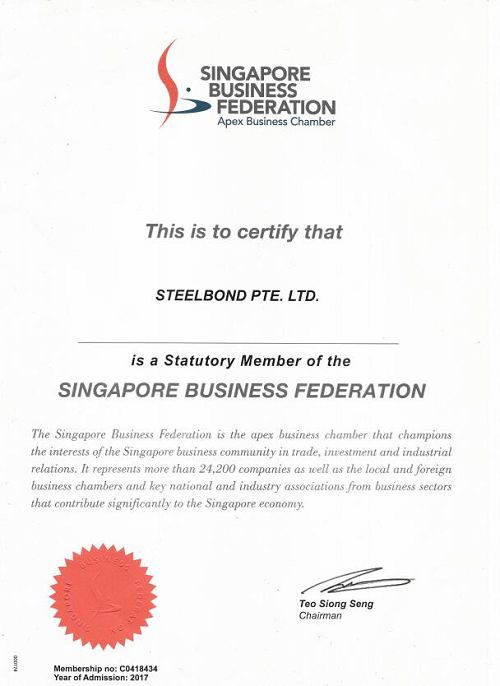
20221104150040438e74b2554642c4bc30a13743636f31.jpg (500×686)
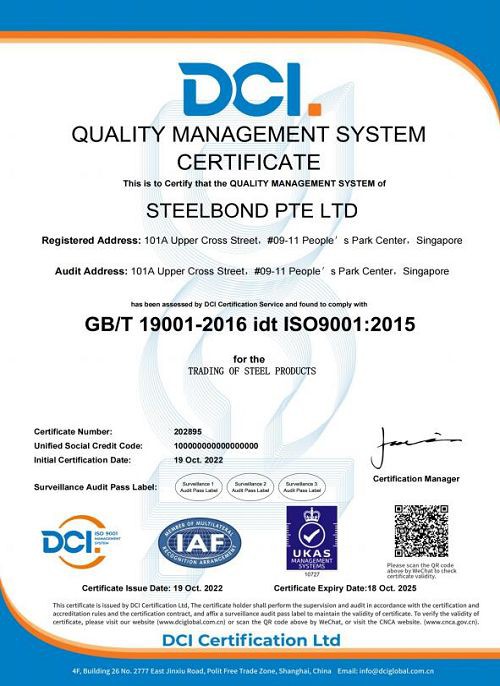
20221104150046b3371590d55b46a7b46eede594d90264.jpg (500×686)
2022110415005752af8549439a4073a2c200bb8bf1adf9.jpg (500×686)


FAQ


Q: What is alloy 825 material?

A: INCOLOY® alloy 825 (UNS N08825/W.Nr. 2.4858) is a nickel-iron-chromium alloy with additions of molybdenum, copper, and titanium. The alloy’s chemical composition, given in Table 1, is designed to provide exceptional resistance to many corrosive environments.

Q: What is the difference between alloy 925 and 825?

A: Incoloy 925 and 825 round bars contain nickel, chromium, and iron as primary components. The difference lies in their chemical composition: Incoloy 925 contains higher levels of nickel (19%-23%) and molybdenum (3%-4.5%), while the levels of nickel (20-23%) and molybdenum (2.5-3.5%) are lower in Incoloy 825.

Q: What is the ASTM equivalent of alloy 825?

A: Other designations that are equivalent to Incoloy(r) alloy 825 include: ASTM B163. ASTM B423.

Q: What is the trade name for alloy 825?

A: It is commonly referred to by the tradename Incoloy® 825 and the universal designation UNS N08825.

Q: What kind of metal is 825?

A: 825 indicates the purity and price of Gold
As the 825-hallmark number shows, 82.5 percent pure gold is available in this quantity, and by looking at this purity standard rating, it is known that 82.5% pure gold will be available in this gold jewelry, and the remaining 17.5 % is a mixture of other metals is included.

Q: What is the difference between alloy 800 and alloy 825?

A: It is similar to alloy 800 but has improved resistance to aqueous corrosion. It has excellent resistance to both reducing and oxidizing acids, to stress-corrosion cracking, and to localized attack such as pitting and crevice corrosion. Alloy 825 is especially resistant to sulfuric and phosphoric acids.

Q: Is 825 or 925 better?

A: Alloy 825 (Incoloy 825, UNS N08825, 2.4858) and Alloy 925 (Incoloy 925, UNS N09925) are nearly identical in composition, and therefore provide very similar corrosion resistance and physical properties. However, Alloy 925 provides significantly higher levels of strength as it benefits from precipitation strengthening.

Q: Is 825 white gold or silver?

A: Finding an 825 stamp on gold jewelry means that the gold jewelry in question includes 82.5 percent pure gold and 17.5 percent of some other precious metal. Gold marked with an 825 stamp is about equivalent to 19 karat gold. The different metals used within the gold can vary, but popular options include: Silver.

Q: What is the best alloy for silver?

A: Sterling silver contains 92.5% silver. Pure silver and 7.5% copper or other metals. This combination makes sterling silver durable and long-lasting while maintaining its lustrous shine.

Q: What is the difference between 625 and 825 alloy?

A: Inconel 625 alloy has a yield strength of 95 ksi (655 MPa), while Inconel 825 alloy has a yield strength of 75 ksi (517 MPa). Elongation is a measure of a material’s ability to deform before breaking.

Q: What is the difference between SS316L and 825 alloy?

A: AISI 316L stainless steel belongs to the iron alloys classification, while nickel 825 belongs to the nickel alloys. They have 62% of their average alloy composition in common. There are 31 material properties with values for both materials.

Q: What is the pren number for alloy 825?

A: The Pitting Resistance Equivalent Number (PREN) of the material is 42 (VDM® Alloy 825: 33). VDM® Alloy 825 CTP (2.4861/N08827) is characterized by: High resistance to chloride-induced stress corrosion.

Q: What material is alloy 825?

A: Incoloy® alloy 825 (UNS N08825) is an austenitic nickel-iron-chromium alloy with additions of molybdenum, copper and titanium. It was developed to provide exceptional resistance to numerous corrosive environments, both oxidizing and reducing.

Q: What is the difference between alloy 20 and alloy 825?

A: Alloy 20 can be regarded as a variant of alloy 825 with reduced nickel, chromium and molybdenum contents but an enhanced copper content. According to the comparative isocorrosion diagram,7 its corrosion resistance in sulfuric acid is predominantly somewhat lower than that of alloy 825.

Q: What is the yield of alloy 825?

A: Mechanical properties of annealed Incoloy 825 bars: Yield strength: 324 MPa. Tensile strength Rm: 690 MPa.

Q: Is alloy better than stainless steel?

A: Alloy steel is very durable, and its tensile strength is about 960 Mpa, while stainless steel is less durable and with a tensile strength of 621 Mpa.

Q: Is alloy better than steel?

A: Compared to pure metals, alloys have better corrosion resistance, lower costs, higher strength and better workability. The alloys’ production and composition determine specifics such as machinability, ductility and brittleness.

Q: What is the difference between alloy 825 and alloy 925?

A: Alloy 825 is widely used in the production of valve components, whilst Alloy 925 is used in a variety of tooling for oil and gas applications as a lower-cost alternative to Alloy 718 (Inconel 718, UNS N07718, 2.4688).

Q: Does 825 mean gold?

A: The number 825 on jewelry indicates the purity of the metal used in the piece. Specifically, 825 means that the metal is 82.5% pure gold (1). This translates to 19 carats gold. Gold purity is measured in karats, with 24K being the highest purity level, representing 100% pure gold.

Q: Is 825 platinum?

A: It means 82.5% of contained metal, so an 825 Silver or 825 Platinum has 82.5% of Ag or Pt. Usually, for gold, they use either a 2-digit number referring to carats or a 3 to 5 digit number on gold bars referring to the purity: 99.9 versus 99.999%.

Hot Tags: alloy 825 plate, China alloy 825 plate manufacturers, suppliers, factory

Alloy 800 Plate

INCOLOY Alloy 800, Alloy 800H, Alloy 800HT Plate


This material, INCOLOY alloy 800 (UNS N08800/W. Nr. 1.4876), is extensively employed in the construction of equipment that needs to withstand corrosion, high temperatures, strong forces, and remain stable enough to function optimally at temperatures as high as 1500°F (816°C).

Alloy 800 provides a reliable barrier against corrosion in diverse aqueous environments, and its high nickel content endows it with exceptional resistance to stress corrosion cracking. At elevated temperatures, it offers resistance to oxidation, carburization, and sulfidation along with rupture and creep strength.

At high temperatures, it has the ability to resist oxidation, carburization, and sulfidation, while maintaining its durability against rupture and creep strength.

INCOLOY Alloy 800 Plate and 800HT are utilized in applications where superior resistance to stress rupture and creep is necessary, particularly in temperatures exceeding 1500°F (816°C).

The inclusion of chromium in the alloy provides both resistance to heat and aqueous environments. 

Iron gives protection against being oxidized from within. 

The presence of nickel ensures a malleable and austenitic structure is maintained. 

As a result, alloy 800 can be easily shaped, welded, and processed by machines. 

It had been previously established that alloys containing higher amounts of carbon, such as alloy 800, exhibit superior creep and rupture properties compared to low-carbon variants. 

Special Metals typically maintain a carbon range of 0.05 to 0.10% in their products, unless customized orders from customers specifically require a lower carbon content.

The carbon content of alloy 800 falls within both the ASTM and ASME specification limits, with a range typically towards the higher end at 0.05 to 0.10%. 

Special Metals collected and provided material data to the ASME Code for this particular product.

The Code Case 1325-7 included an approval of increased design stresses for Section I and Divisions 1 and 2 of Section VIII. 

It should be noted that for alloy 800H, meeting the carbon range of 0.05 to 0.10% is not enough, as it also requires an ASTM 5 average or coarser grain size.

We were aware of the significance of keeping the levels of aluminum and titanium within the higher end of the specified material range.

This led to improved resistance to creep and stress rupture compared to alternative alloy 800H.

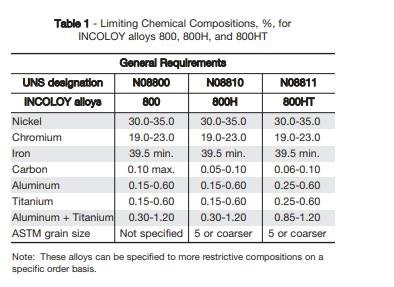
As a solution for maintaining higher allowable design stresses, the company implemented a modified version of INCOLOY alloy 800H known as INCOLOY alloy 800HT (UNS N08811). 

The chemical composition of INCOLOY alloy 800HT is limited to within the boundaries of alloy 800H, and it necessitates a minimum heat treatment of 2100°F (1149°C).

The carbon content of the material ranges from 0.06% to 0.10%, while alloy 800H has a carbon content of 0.05% to 0.10%. Additionally, the material contains 0.85% to 1.20% of Al + Ti, while alloy 800H contains 0.30% to 1.20% of Al + Ti.


1


incoloy-800-plate incoloy-800-sheet astm-b409-uns-n08800-strip
inconel-800-plates alloy-800-coil ams-5877-perforated-sheet


Specification

ASTM A240/A 480 & ASME SA 240/SA 480 (Plate, Sheet, and Strip), ASTM B 409/B906 & ASME SB 409/SB 906 (Plate, Sheet, and Strip), ASME Code Case1325 (All Product Forms), ASME Code Case 2339 (Plate), SAE/AMS 5871(Plate, Sheet, and Strip), BS 3072NA15 (Plate & Sheet), BS 3073NA15 (Strip), VdTÜV 412 (All Products), ISO 6208 (plate, sheet and strip)

STANDARD

ASME, ASTM, AISI, AMS, JIS, EN, DIN, GB/T

Grade

UNS N08800, 1.4876, alloy 800, incoloy 800, UNS N08810, alloy 800H,UNS N08811, alloy 800HT

Thickness of Plate

4.76MM-70MM and width >250mm

thickness of sheet

thickness <4.76MM and width >600mm

Thickness of Strip

thickness <4.76MM and width <600mm

Finish for sheet

No.1 finish-hot rolled, annealed, and descaled

No.2D finish-cold-rolled, dull finish

No.2B finish-cold-rolled, bright finish

No.3 finish-intermediate polished finish, one or both sides

No.4 finish-general purpose polished finish, one or both sides

No.6 finish-dull satin finish, Tampico brushed, one or both sides

No.7 finish-high luster finish

No.8 finish-mirror finish

Finish for strip

No.1 finish-cold rolled to specified thickness, annealed and descaled

No.2 finish as No.1 finish, followed by a final light cold-roll pass, generally on highly polished rolls

Bright annealed finish bright cold-rolled finish retained by final annealing in a controlled atmosphere furnace

polished finish-strip is also available in polished finishes such as No.3 and No.4

Finish for plate

Hot-rolled or cold-rolled, annealed or heat-treated, and blast-cleaned or pickled

hot rolled or cold rolled, annealed or heat treated, blast cleaned and /or ground

hot rolled or cold rolled, annealed or heat treated, blast cleaned and /or ground, and pickled

Edges for cold rolled strip

No.1 edge rolled edge, either round or square as specified.

No.3 edge-an edge produced by slitting

No.5 edge-an approximately square edge produced by rolling or filing after slitting

Delivery condition

Annealed, hot rolled, cold rolled, pickled, hard

Product Type

Plate, sheet, coil, strip, foil, ribbon, wire

Origin of raw materials

CHINA, USA, EUROPE, JAPAN

The brand we mainly distributed

BAO STEEL, He-cheng Nickle

Value-added services available

Cut-to-length

Laser cutting

Third-party witness and test arrangement

Edge preparation

Color coding

Package

· Wooden Boxes

· Wooden pallets

· Steel Strips Bundled

· Standard seaworthy export packing

· as required


Hot Tags: alloy 800 plate, China alloy 800 plate manufacturers, suppliers, factory

Alloy 625 Plate

Inconel Alloy 625 Plate

INCONEL® nickel-chromium alloy 625 (UNS N06625/W.Nr. 2.4856) is a nickel-based material that is highly resistant to corrosion and oxidation. It is also non-magnetic in nature. This material exhibits remarkable strength and toughness, even in extreme temperatures ranging from cryogenic to 2000°F (1093°C), attributed to the strong bonding between the refractory metals, columbium, and molybdenum, and a nickel-chromium alloy matrix. The fatigue strength and resistance to stress-corrosion cracking from chloride ions of Inconel® 625, a nickel alloy, are exceptional. 


INCONEL Alloy 625 Plate has potential applications in the nuclear industry, particularly for components such as reactor cores and control rods in water-cooled nuclear reactors. The material is suitable for selection due to its strength, uniform resistance to corrosion, resistance to cracking caused by stress, and impressive resistance to pitting in water temperatures of 500-600°F (260-316°C). Alloy 625 Plate is being evaluated for advanced reactor applications due to its superior design strength  at elevated temperatures, specifically within the range of 1200°F to 1400°F (649°C to 760°C).

nickel-alloy-625-sheets inconel-625-plates astm-b443-uns-n06625-strip


Specification

ASTM B 443/ASTM SB 443 ), SAE/AMS 5599 & 5869 & MAM 5599 ), ISO 6208 ), VdTÜV 499 ), BS 3072NA21 (Plate & Sheet), EN 10095 ), DIN 17750 ), ASME Code Case 1935.

STANDARD

ASME, ASTM, AISI, AMS, JIS, EN, DIN, GB/T

Grade

UNS N06625, 2.4856, alloy 625

Thickness of Plate

0.3 to 1200 mm or as required

Plate length

0-12mm or as required

Plate width

0-2500mm or as required

Plate surface

No.1, No.2D, No.2B, BA, No.3, No.4, No.6, No.7, 2B, 2D, BA NO (8), Cold rolled sheet (CR), Hot rolled plate (HR), SATIN (Met with Plastic Coated), No.1 finish hot rolled Inconel 625 Plate, 1D, 2B, No.4, BA, 8K, satin, hairline, brush, mirror etc.

Delivery condition

Annealed, hot rolled, cold rolled, pickled, hard

Product form

Plate, sheet, coil, strip, foil, ribbon, wire

Origin of raw materials

CHINA, USA, EUROPE, JAPAN

Brand we mainly distributed

BAO STEEL, He-cheng nickle

Value added services available

Cut-to-length

Laser cutting

Third party wittness and test arrangement

Edge preparation

Color coding

Package

· Wooden Boxes

· Wooden pallets

· Steel Strips Bundled

· Standard seaworthy export packing

· as required


Hot Tags: alloy 625 plate, China alloy 625 plate manufacturers, suppliers, factory
Alloy 20 Plate

Alloy 20 Plate

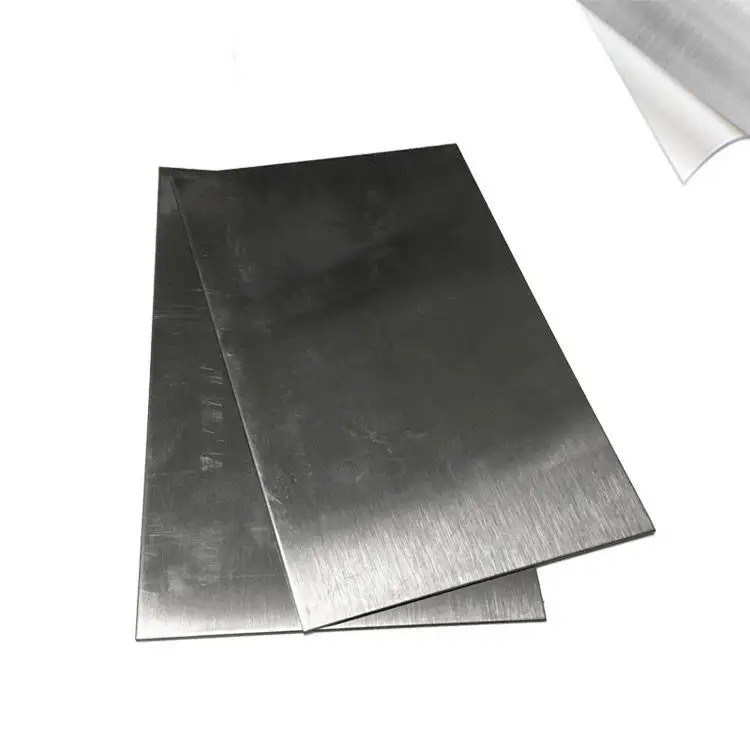
Alloy 20 is classified as an austenitic alloy, composed of nickel, chromium, and iron. The exceptional corrosion resistance of Alloy 20 Plates is highlighted by their ability to withstand a variety of corrosive environments, including sulfuric, phosphoric, and nitric acids, as well as many other corrosive media. With the addition of molybdenum to its composition, Alloy 20 Sheets and Plates are a versatile solution to combat chloride-induced pitting and crevice corrosion in high-stress systems. The incorporation of niobium into Alloy 20 Plate Material assists in preventing sensitization and intergranular corrosion by providing stabilization.


Alloy 20 was designed specifically to withstand sulfuric acid. The combination of nickel, chromium, molybdenum, and copper in Alloy 20 results in superior protection against general corrosion. The addition of columbium to Alloy 20, coupled with controlled carbon levels, allows for the use of welded fabrications without the need for post-weld heat treatment in typically harsh, corrosive environments. Due to its significant nickel content of 33%, Alloy 20 exhibits remarkable resistance to chloride stress corrosion cracking. Alloy 20 is frequently selected as a solution to address issues with SCC problems that may arise in 316L stainless steel.


INCOLOY® alloy 020 (UNS N08020) provides exceptional resistance to corrosion when exposed to chemical environments that have concentrations of sulfuric acid. In addition, it also offers valuable protection against environments that contain chlorides, nitric acid, and phosphoric acid. Additional applications of this alloy involve the creation of various products such as gasoline, solvents, explosives, inorganic and organic chemicals, pharmaceuticals, synthetic materials, and food items. The versatility of INCOLOY alloy 020 enables it to be easily machined and formed into a wide range of equipment, including mixing tanks, heat exchangers, process piping, pickling machinery, pumps, valves, fasteners, and fittings. The applications of alloy 020 that require protection against corrosion in aqueous environments are comparable to those of INCOLOY alloy 825.


alloy-20-plates incoloy-alloy-20-sheet astm-b463-uns-n08020-strip


Specification

ASTM A 240, ASTM A 480, ASTM B 463, ASTM B 906, ASME SA 240, ASME SA 480, ASME SB 463, ASME SB 906, ISO 6208, DIN 17750

STANDARD

ASME, ASTM, AISI, AMS, JIS, EN, DIN, GB/T

Grade

UNS N08020, 2.4660, alloy 20

Thickness of hot rolled plate

>4.76MM and width >254mm

thickness of sheet

thickness <4.75MM and width >609.6mm

Thickness of Strip

thickness <4.75MM and width <609.6mm

Finish for sheet

No.1 finish-hot roolled, annealed and descaled

No.2D finish-cold-rolled, dull finish

No.2B finish-cold-rolled, bright finish

No.3 finish-intermediate polished finish, one or both sides

No.4 finish-general purpose polished finish, one or both sides

No.6 finish-dull satin finish, tampico brushed, one or both sides

No.7 finish-high luster finish

No.8 finish-mirror finish

Finish for strip

No.1 finish-cold rolled to specified thick-ness, annealed, and descaled

No.2 finish-same as No.1 finish, followed by a final light cold-roll pass, general on highly polished rolls

Bright annealed finish-a bright cold-rolled finish retained by final annealing in a controlled atmosphere furnace

polished finish-strip is also available in polished finishes such as No.3 and No.4

Finsh for plate

Hot-rolled or cold rolled, and annealed or heat treated, and blast cleaned or pickled

hot rolled or cold rolled, annealed or heat treated, blast cleaned and /or ground

hot rolled or cold rolled, annealed or heat treated, blast cleaned and /or ground, and pickled

Edges for coled rolled strip

No.1 edge-a rolled edge, either round or square as specified.

No.3 edge-an edge produced by slitting

No.5 edge-an approximately square edge produced by rolling or filing after slitting

Delivery condition
Annealed, hot rolled, cold rolled, pickled, hard

Product form

Plate, sheet, coil, strip, foil, ribbon, wire

Origin of raw materials

CHINA, USA, EUROPE, JAPAN

Brand we mainly distributed
BAO STEEL, He-cheng nickle

Value added services available

Cut-to-length

Laser cutting

Third party wittness and test arrangement

Edge preparation

Color coding

Package

· Wooden Boxes

· Wooden pallets

· Steel Strips Bundled

· Standard seaworthy export packing

· as required


Hot Tags: alloy 20 plate, China alloy 20 plate manufacturers, suppliers, factory