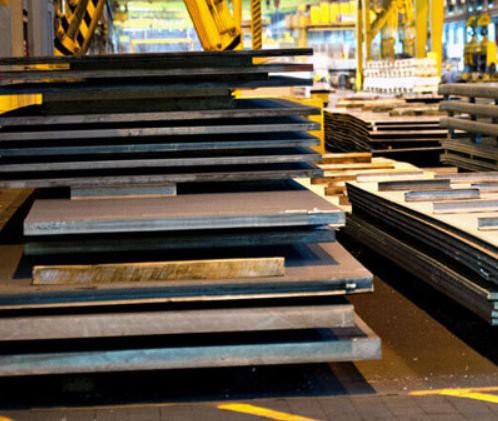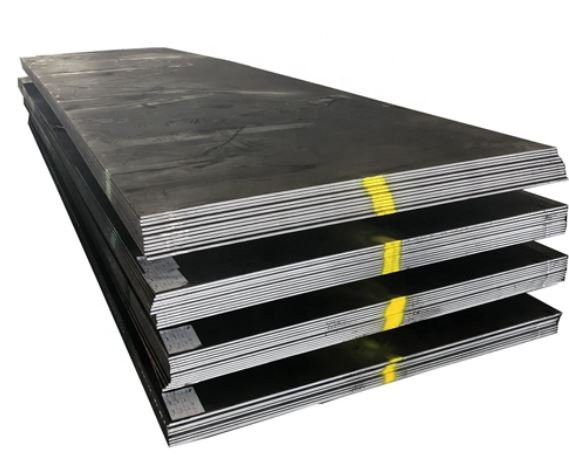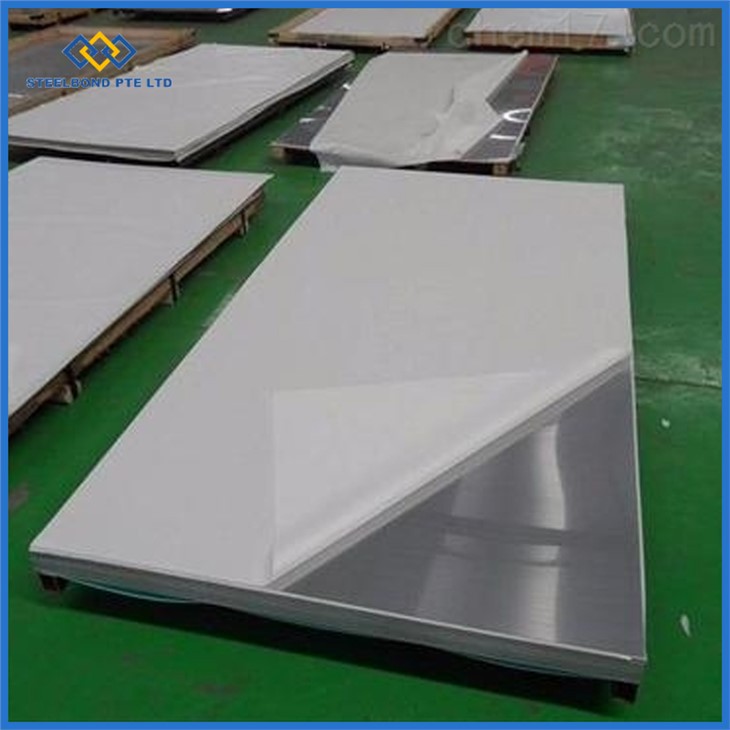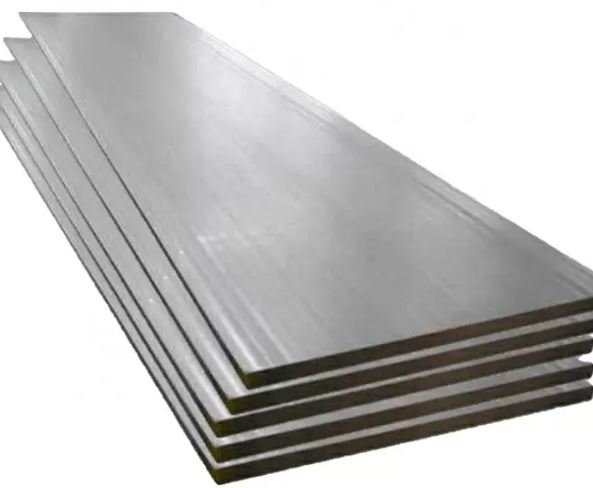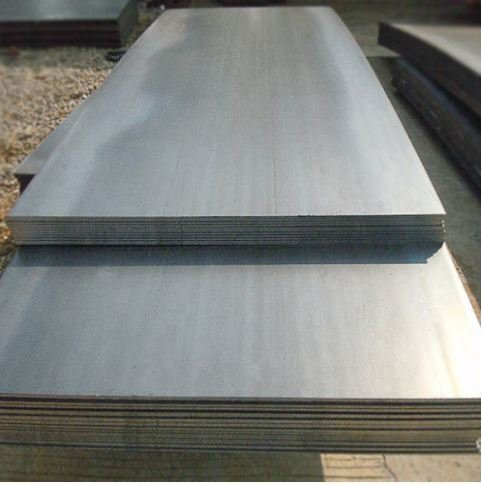
Shipbuilding Steel Plate

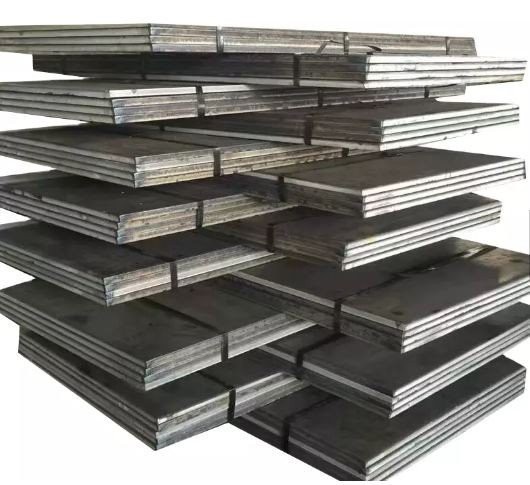
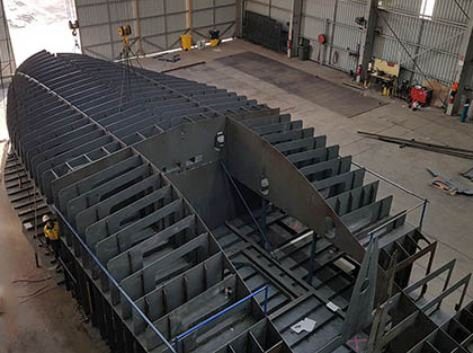
Steel is a pivotal material in the building, maintenance, and modification of various types of vessels, including passenger and commercial ships as well as luxury yachts.


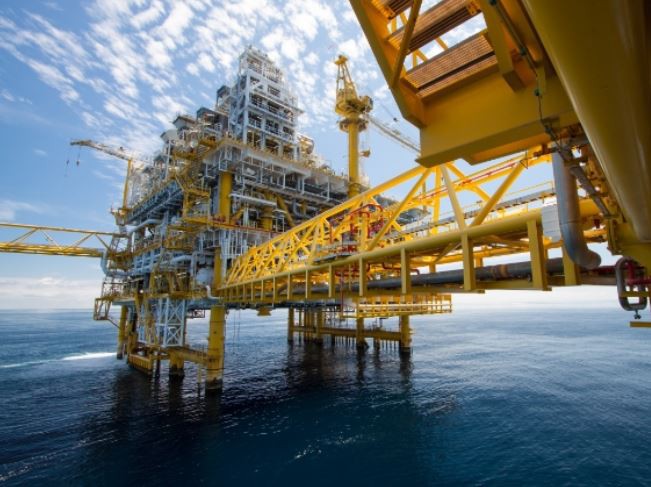
Offshore construction projects involve harsh and challenging environments that require the use of offshore grade steel, as it is the only steel grade that can withstand the rigorous demands and ensure the long-term structural integrity of these constructions.


Offshore facilities designed to extract oil and gas reserves located at great depths beneath the seabed are perpetually subjected to the corrosion-inducing influence of seawater, the formidable strength of oceanic currents, the intensity of tidal patterns, and the forceful impact of winds.


For these applications, wide thin plates are preferred due to their excellent processing characteristics, including flatness and weldability. High-strength, thermomechanically rolled ship plates, on the other hand, are used in the offshore sector. They are used for deck superstructures on platforms or for special ships in the oil and gas industry.


The precise technical requirements for offshore steels are imperative to ensure they can withstand the constant pressures from the elements, resulting in extended durability, enhanced safety, and decreased likelihood of catastrophic failure which can have devastating consequences.


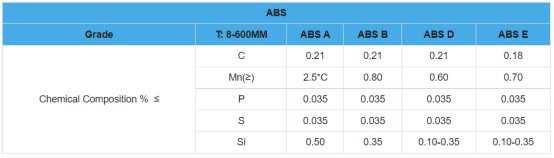
ABS Shipbuilding Steel Grade A B D E Chemical Composition:
1667440465699


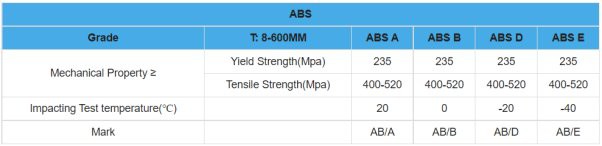
ABS Shipbuilding Steel Grade A B D E Mechanical Property:
1667440472224


Shipbuilding Steel Plate Standards: GL (Germanischer Lloyd), HR (Hellenic Register of Shipping)

DNV (Det Norske Veritas), ABS (American Bureau of Shipping), KR (Korean Register of Shipping), LR (Lloyd’s Register of Shipping), CCS (China Classification Society), NK (Nippon Kaiji Kyokai), RS (India Register of Shipping), RINA (Registro Italiano Navale), BV (Bureau Veritas)


Grade: A, B, D, E, A32, D32, E32, A36, D36, E36, F36, and E40.


Thickness Range: 4mm to 260mm


Width Range: 1200mm to 4000mm


Length Range: 3000mm to 18000mm


Delivery condition: Normalized (N) or Thermo-Mechanically rolled (M)


Origin of raw materials: China, USA, Europe, Japan, Korea


The brand we mainly distributed: Dillinger Hutte, JFE Steel Corporation, Voestalpine AG, Wuyang, Nippon Steel & Sumitomo Metal Corporation, POSCO Steel, Dongkuk Steel, Krakatau Posco, Nanjing Iron & Steel Co. (NISCO), Jiangyin Xing cheng Special Steel (JYXC), JWS


Value added services available: Cut-to-length, Laser cutting, Edge preparation, Welding, Color coding, Bending, and mechanical processing


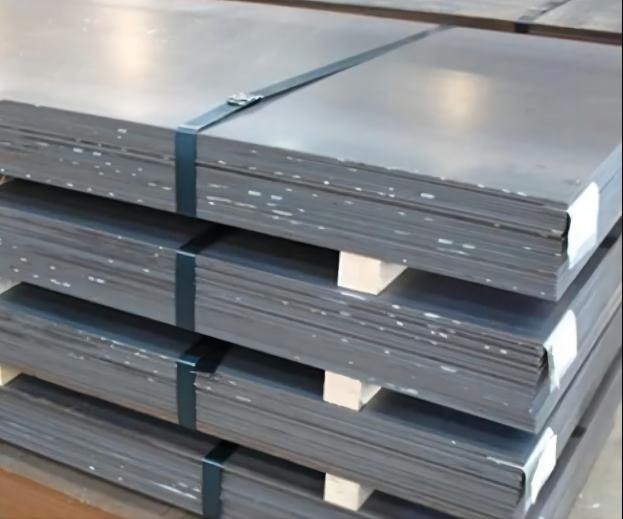
Package: bundled by steel strip, Standard seaworthy export packing
 

Shipbuiling Steel Plate 1.JPG
Shipbuiling Steel Plate 2.JPG
Shipbuiling Steel Plate 3.JPG


Hot Tags: shipbuilding steel plate, China shipbuilding steel plate manufacturers, suppliers, factory

Shipbuilding Steel Plate

What Is Shipbuilding Steel Plate?


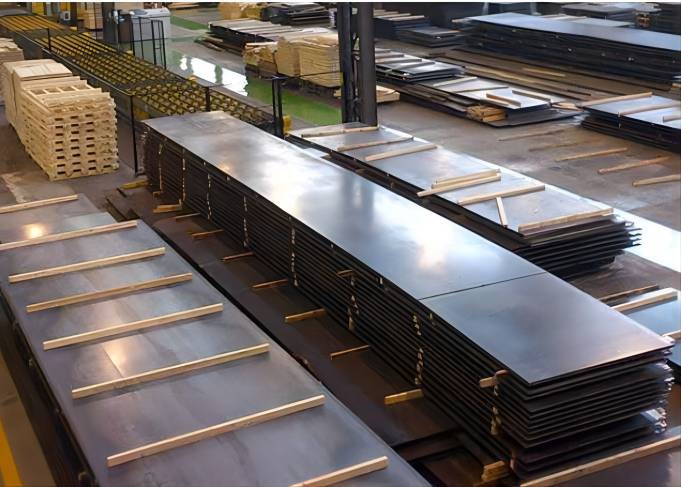
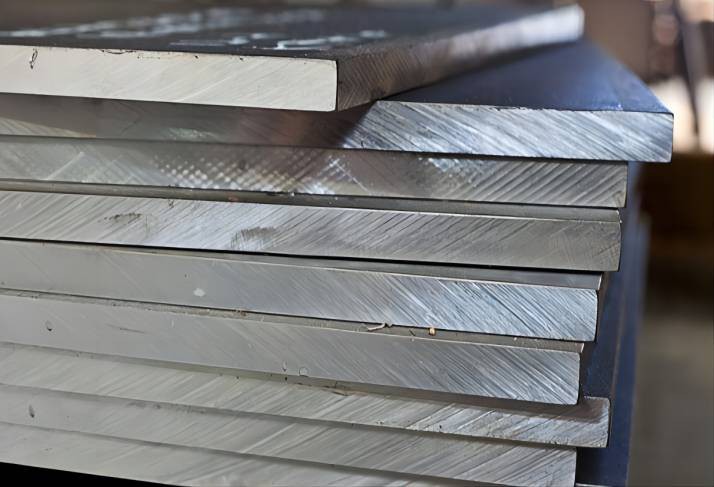
Shipbuilding steel plates are large plates used in shipbuilding components production because they provide superior corrosion resistance and excellent welding performance. These plates have high tensile strength, excellent fatigue properties, and exceptional durability. Shipbuilding steel plates are also known for their toughness and ability to resist low temperatures without losing strength. High-quality shipbuilding steel plate provides a lightweight solution for improved efficiency during manufacturing. This cost-effective material is perfect for creating efficient ship designs with improved payload capacity and increased seaworthiness in harsh marine environments.


Advantages of Shipbuilding Steel Plate


Corrosion resistance
Shipbuilding steel plates are typically made from specialized steel grades designed to withstand corrosion in marine environments. Such steels’ primary alloying elements and chemical composition must be carefully balanced to ensure resistance against the corrosive environment. For example, shipbuilding steels may contain higher amounts of chromium, nickel, and molybdenum than other low-alloy steels to offer greater protection against corrosion. Furthermore, plates may have their surfaces treated with special coatings or anodization processes which can help reduce exposure to seawater and moisture. Adopting a proper maintenance plan is also essential for ensuring consistent corrosion resistance, as any damage could lead to accelerated oxidation in the marine atmosphere.


High tensile strength
Shipbuilding steel plates are specifically designed for shipbuilding and offer the best combination of high tensile strength, abrasion resistance, toughness and weldability. The plates are made from alloy, carbon, and weathering steel to provide corrosion resistance and excellent mechanical properties even in extreme conditions. Shipbuilding steel plates have been tested to withstand temperatures up to 800 degrees celsius while maintaining superior mechanical properties. Furthermore, these plates also feature good formability characteristics, making them ideal for welding applications and providing superior corrosion protection, making them especially suitable for marine applications.


Weldability
Shipbuilding steel plates are designed to be easily welded, providing flexibility in the ship’s construction process. The ease of welding saves time, reduces labour costs, and adds longevity to the ship’s lifecycle.


Completed ship testing
To avoid marine disasters, international organizations such as the international maritime organization have established safety standards for the construction of commercial ships. The compliance process includes rigorous testing of completed ships, including testing steel materials. Using shipbuilding steel plates that comply with safety standards ensures the vessel’s durability, safety, and seaworthiness.


Cost-effective
Shipbuilding steel plates provide a cost-effective solution to ship construction due to their durability and longevity. Steel plates are also recyclable, making them environmentally friendly. Additionally, quick and easy replacement of individual plates during routine maintenance can help reduce the vessel’s downtime, ultimately leading to cost savings for the ship owner.


Carbon Teel Plate

Carbon Steel Plate

Carbon steel plate usually been considered as the steel that does not contain much alloy steel elements. Generally, elements are C, Mn, P, S, Si, besides these there are no minimum limits for elements of Al, Cr, Ni, Mo, V etc.

Pressure Vessel Steel Plate

Pressure Vessel Steel Plate

Pressure vessels are defined as closed containers that hold gases or liquids at a pressure substantially different than the ambient pressure.

Offshore Steel Plate

Offshore Steel Plate

Offshore and marine steel plate is specifically certified for use in maritime projects by regulatory organizations, including the American Bureau of Shipbuilding (ABS).

High Strength Steel Plate

High Strength Steel Plate

High Strength Steel Plate is a material used to make several products from plates to sheets. The properties inherent by these plates depend upon the elements added to them.

Shipbuilding Steel Plate

Shipbuilding Steel Plate

Steel is one of the most important materials for the construction of new passenger and merchant ships and yachts, as well as for repairs and conversions.


Why Choose Us


Strong production chain

We have a strong supply chain with major distributors in China and other Asian regions to meet the stringent requirements of your project.


Professional team

STEELBOND PTE LTD has the most professional quality assurance team to ensure that AML and technical requirements are met, while providing quality products and services on time at the most competitive prices.


High-quality products

Committed to providing high-quality products and services efficiently, ensuring project safety, and making the world know more about Chinese steel.


Product diversification

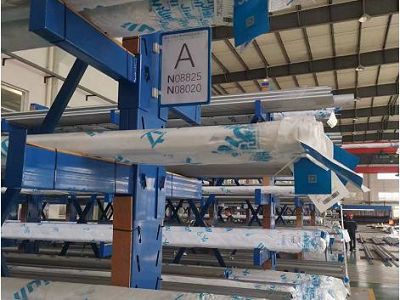
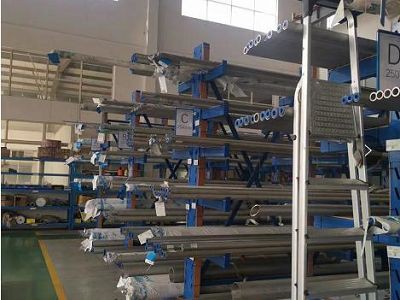
The main inventory includes pipes and bars of stainless steel, duplex stainless steel, super duplex stainless steel, nickel alloy, Hastelloy and other grades.


Types of Shipbuilding Steel Plate


General strength steel for hull structures
Divided into four grades: A, b, c and d according to quality grade, of which grade a is the lowest grade and grade d is the highest grade. The yield strength (not less than 235n/mm2) and tensile strength (400~520n/mm2) of these four grades of steel plates are the same, but the impact energy at different temperatures is different. General-strength hull structural steel is mainly used to manufacture hulls, decks and other parts of ocean-going, coastal and inland navigation ships.


High-strength steel for hull structure
This kind of steel plate refers to a steel plate with a yield strength higher than that of general strength steel for hull structure. It is divided into multiple strength grades such as ah32, dh32, eh32, ah36, dh36, and eh36 according to the minimum yield strength. Each strength grade is divided into four quality grades a, d, e, and f according to different impact toughness. For example, ah32 represents high-strength hull structural steel with a yield strength of not less than 315n/mm^2 and an impact toughness that reaches class a standards at 0°c. High-strength hull structural steel is mainly used to manufacture hull parts that need to withstand large loads and harsh environments, such as large ocean-going carriers and offshore engineering platforms.


Low-temperature toughness steel
This kind of steel plate refers to a steel plate that still has good toughness under low-temperature conditions. It mainly improves low-temperature toughness by adding ni and other alloying elements to the steel. Low-temperature toughness steel is divided into multiple grades according to the ni content, such as 0.5nia, 0.5nib, 1.5ni, 3.5ni, 5ni, 9ni and so on. Low-temperature toughness steel is mainly used to manufacture hull parts that need to work in low-temperature environments, such as polar transport ships and liquefied natural gas (lng) transport ships.


Stainless steel plate
This kind of steel plate refers to a steel plate with high corrosion resistance. It mainly improves corrosion resistance by adding cr, ni and other alloying elements to the steel. Stainless steel is divided into two categories: Austenitic stainless steel and duplex stainless steel according to different organizational forms. Austenitic stainless steel has good plasticity and welding properties, but poor durability properties; duplex stainless steel has good durability properties and corrosion resistance, but poor plasticity and welding properties. Stainless steel is mainly used to manufacture hull parts that require corrosion resistance, such as chemical carriers and desalination equipment.


Application of Shipbuilding Steel Plate
造船钢板
2
造船钢板
2

Construction
Shipbuilding steel plate play a versatile role in the construction industry. They’re particularly common in the construction of bridges, building, and warehouses. They’re also used for building large commercial structures like airports and sports arenas. Shipbuilding steel plates are used to help make building foundations stronger and to provide foundational support to bridges. They’re also an essential component of most pre-fabricated homes, including the new, trendy “tiny houses.”


Military
Military buildings and vehicles are often fortified with the help of shipbuilding steel plates. They’re common in jeeps, tanks, trucks, helicopters, jets, and ships used for military purposes. They’re also used to test the strength of weapons and bullets. All branches of the military use shipbuilding steel plate in some fashion.


Ship construction
Easily welded and ultra-strong, shipbuilding steel plates are used in a significant number of ships and are probably one of the most commonly used materials in ship building. They’re also a key component of many oil rigs and in offshore construction. Their corrosion resistance makes them ideal for these applications.


Pressure vessels
Pressure vessels like gas tanks and boilers, which need to protect against leaks and extreme temperatures, are frequently made of shipbuilding steel plate. Oftentimes, these shipbuilding steel plates are specifically engineered to be able to hold gas or fluid contents at different temperatures to reduce the risk of explosion.


Shipping
Large shipping containers are commonly built using shipbuilding steel plate. Shipbuilding steel plate help preserve the life of these shipping containers due to their corrosion and rust resistance, and they are strong enough to protect all different types of cargo.


Oil and gas
In addition to being used for construction of rigs, many oil and gas pipelines use shipbuilding steel plate to maximize their strength and ensure they last longer without corroding. Shipbuilding steel plate can easily be welded to suit the needs of pipelines and can also be used for repair purposes when parts of pipelines need to be patched up.


Household appliances
You probably weren’t aware of this, but shipbuilding steel plates are even used to build your household refrigerators and dishwashers. In refrigerators, shipbuilding steel plates are beneficial because they help the appliance hold its temperature and are unlikely to rust even after years and years of use.


Automotive industry
Shipbuilding steel plates are found in many cars on the road today. Due to their strength, they’re essential in keeping drivers and passengers safe in the event of accidents. They can also be relatively light in weight in comparison to other materials of their strength, which means they help improve the fuel economy of cars.


Road work
In addition to being used in almost every other area of construction, shipbuilding steel plates are also used for road work projects. Skid-resistant, steel road plates can be a viable and temporary fix to place over holes and other compromised areas of road to allow road traffic uninterrupted access to those areas during construction projects and road repair projects.


3


The Different Grades Of Steel In Shipbuilding

Grade A
Bulkheads and other ship constructions with less than 20 mm thickness are made of this mild steel.

Grade B
Structures measuring 20 to 25 mm incorporate this slightly stronger steel.

Grade D
For structures that are thicker than 25 mm, grade D steel is recommended since it has the strength to withstand cracking.

Grade E
This grade of steel is utilised for constructions of 50 mm or larger and is heat treated for maximum strength, making it the perfect material for high-stress areas of the ship, such as the keel.

Arctic D
Icebreakers frequently employ this unique grade, which is designed to remain firm even at very low temperatures.


How to Choose a Shipbuilding Steel Plate


Quality
The quality of the shipbuilding steel plate is one of the most important factors to consider. Make sure to select high-quality materials that meet or exceed industry standards, such as those specified by classification societies like abs, dnv gl, bv, lr, ccs, etc.


Composition
Different grades of shipbuilding steel plate have different chemical compositions, with varying levels of carbon, manganese, silicon, sulfur, phosphorus, and other elements. Ensure that the composition of the steel you select is appropriate for your specific application.


Strength
Shipbuilding steel plates come in various grades with different strength levels. Consider the strength required for your application and select a steel grade that meets your needs.


Thickness
The thickness of the shipbuilding steel plate is also an important consideration. Ensure that the thickness selected provides adequate strength and durability for the application.


Weldability
Some shipbuilding steel plates may have low weldability due to their chemical composition or manufacturing process. If welding is required, make sure to select a steel grade that has good weldability.


Surface condition
Check the surface condition of the shipbuilding steel plate before purchasing to ensure that it is free from defects, such as cracks, pitting, or roughness.


Price
Price is always a factor to consider when selecting ship plate steel. However, do not compromise on quality or performance for the sake of saving costs. Select a reputable supplier that provides high-quality materials at competitive prices.


Precautions for the welding process of shipbuilding steel plate
 
Control of welding line energy

The DNV GL grade B shipbuilding steel plate should be welded strictly in accordance with the process specification, and the welding heat input is generally controlled below 5000J/cm. If the heat input is too large, the weld metal will stay at a high temperature for a long time, which will cause the heat-affected zone to overheat and make the grains coarse, make the structure plasticity worse, and reduce the crack resistance of the joint; while the heat input is too small, it will cool the joint The speed is increased, the cooling time is shortened, and the heat-affected zone is hardened, which is also not conducive to the escape of hydrogen, so it also increases the tendency of cold cracking. Therefore, the welding heat input should be strictly controlled during construction.

Operational control

The welding environment of shipbuilding steel plates should be stable to avoid air flow affecting the gas protection effect. Try to avoid welding in a humid environment. Because of the multi-pass welding, the splash cleaning between layers must be thorough. Before welding on the back, use gouging to thoroughly clean the roots, grind the grooves, and clean them before welding.

Post-welding inspection and treatment

Visual inspection
The surface of the weld should be flat and smooth, the width of the weld should be the same, and the extra height should meet the process requirements. The surface of the shipbuilding steel plates is to be free of defects such as pores, cracks, undercuts, etc.

Non-destructive testing
Use magnetic powder to inspect the weld surface and near-surface defects. Then use ultrasonic to inspect the weld. Subsequently, the welds were inspected by X-ray filming.

Defect treatment
If pores, cracks, and other excessive defects such as slag inclusions, undercuts, lack of fusion, etc. are found during the inspection of the ship steel plate, the defective parts shall be batch removed. The collection should be polished and cleaned before welding.


Company Introduction


STEELBOND PTE LTD is a leading steel distributor established in 2014 in Singapore, we offer a diverse range of ferrous and non-ferrous products from reputable and accredited mills and We have a strong supply chain with major stockists in China and other Asia area to meet the Stringent requirement with your project.
Driven by its customer-focus value, STEELBOND PTE LTD has consistently applied innovative and best-practice processes to give its clients reliable products and on-time services.


productcate-1-1
productcate-1-1
productcate-1-1
productcate-1-1
productcate-1-1


Our Certificate


20221104150040438e74b2554642c4bc30a13743636f31.jpg (500×686)
20221104150046b3371590d55b46a7b46eede594d90264.jpg (500×686)
2022110415005752af8549439a4073a2c200bb8bf1adf9.jpg (500×686)


FAQ


Q: What steel plate is used in shipbuilding?

A: The shipbuilding plate thickness ranges between 5 mm to 150 mm. AH36 and DH36 are both defined as a high strength structural steel, which are primarily used in the shipbuilding industry.

Q: What is ship building steel?

A: Plain carbon and mild steel are the most common grades of steel for shipbuilding, as they boast a raft of beneficial properties that make them uniquely suited for marine engineering.

Q: What grade is shipbuilding steel plate?

A: High-strength shipbuilding steel plate can be further divided into: AH32, DH32, EH32; AH36, DH36, EH36 and AH40, DH40, EH40. 1. The general grades A, B, D, and E are distinguished according to the impact temperature of the steel. The impact values of all grades of steel are the same.

Q: What is a ship plate?

A: Main application:Shipbuilding steel plates are mainly used to contribute hull of ships and the cranes of break bulker and vessels in low temperature oceans. Rolling range: Thickness*Width*Length 3-450mm*1220-4200mm*5000-18000mm. Surface Treatment: Hot rolled and Coated or shot blasting and painting.

Q: Which metal is used in shipbuilding?

A: Steel is the most commonly used material in shipbuilding. Rolled structural steels are used for durability as plates and profiles. High strength steels are required for critical areas of ships, so these steels are normalized and heat treated.

Q: What is the best steel for ship building?

A: Stainless steel is ideal for shipbuilding due to its strength and durability. Most important is that it is non-corrosive meaning stainless steel doesn’t rust. As a result, stainless steel is perfect for the harsh environmental conditions that steel is subjected to like the harsh sunlight and saltwater.

Q: What grade of steel is used in shipbuilding?

A: AH36: A common steel for shipbuilding that is typically formatted as heavy plates and fabricated surfaces for large, heavy-duty vessels like commercial ships and bulk carriers. DH36: Another common shipbuilding steel used to construct and retrofit ship superstructures.

Q: What kind of steel is used in ships?

A: The hull of a ship is crafted from a mild steel that is blended with carbon and manganese. This steel also has low quantities of sulphur and phosphorus, which can otherwise make the material more difficult to fabricate and allow it to crack during the rolling process.

Q: What is the standard steel section used in shipbuilding?

A: EH36 is widely used in the shipbuilding industry both in hull construction and in the superstructure itself.

Q: Is stainless steel used in shipbuilding?

A: In contemporary shipbuilding, several different metals are commonly used. Steel remains a favorite for hulls, while aluminum is used to lighten superstructures. Other metals used include: Stainless steel for critical components.

Q: What is marine grade steel plate?

A: Offshore and marine steel plate is specifically certified for use in maritime projects by regulatory organizations, including the American Bureau of Shipbuilding (ABS), which regulates materials used in building structural parts of ships, and the American Petroleum Institute (API), which regulates materials used in the …

Q: How thick is the steel on a ship?

A: Modern ship’s hull is only 13 to 15 mm thick steel plate. Plain carbon and mild steel are the most common grades of steel for shipbuilding, as they boast a raft of beneficial properties that make them uniquely suited for marine engineering.

Q: What is plate in steel?

A: Steel plate is a plate of metal, specifically steel, that can be cut and manufactured into a more elaborate product. Steel plates come in a range of thicknesses, and can be manufactured to a length or width that you need. There are common sizes that you’ll find, such as 48″x96″ or 96″x120″.

Q: What is plating in ship?

A: Marine. The plates forming the outer side and bottom skin of the hull. The shell plating is of crucial importance to the longitudinal strength of the ship structure.

Q: What is the most commonly used material for shipbuilding?

A: The primary materials used in shipbuilding are steel, aluminum, and composite materials. Strength and Durability: High strength and impact resistance for harsh marine environments. Cost-Effectiveness: Relatively affordable compared to other high-strength materials.

Q: Why are ships not made of stainless steel?

A: In addition to chromium, stainless steel also has a high content of nickel, which is expensive and significantly influences the final product cost. Therefore, it is impossible to make a vessel hull of stainless steel in practice.

Q: What are the advanced materials in shipbuilding?

A: In shipbuilding, the use of materials like carbon composites and aluminum leads to cost reduction and superior structural properties. These composite materials aid ships reduce maintenance downtime due to their high corrosion resistance.

Q: Which metal is used for ship building?

A: Steel is the most common material used for shipbuilding, as it is strong, durable, and relatively inexpensive. Aluminum is also a popular choice for shipbuilding, as it is lighter than steel and can be used to build larger ships.

Q: What grade of steel is used in ship building?

A: AH36, DH36, and EH36: These grades of steel are classified as high-strength, low-alloy structural steels specifically designed for shipbuilding. They offer excellent strength and impact resistance, particularly in harsh marine environments.

Q: What are the steel profiles for shipbuilding?

A: The steel sections for shipbuilding are made of specialized marine steel, such as CCS A, B, D, E, AH32, DH32, EH32, AH36, DH36, EH36, AH40, DH40, EH40 or other equivalent steel grades. The steel sections are produced in accordance with many standards in order to meet different market requirements.

Hot Tags: shipbuilding steel plate, China shipbuilding steel plate manufacturers, suppliers, factory

Pressure Vessel Steel Plate

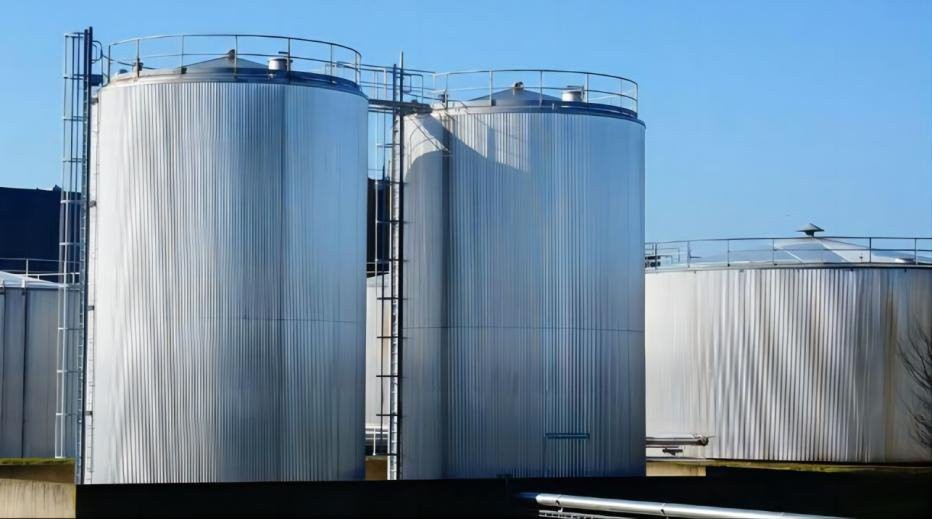
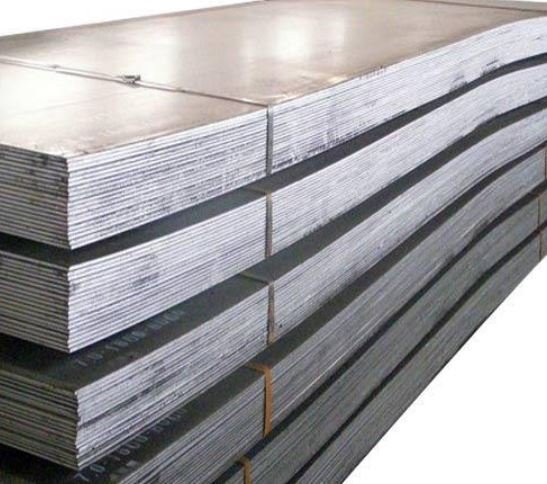
Pressure Vessel Steel Plate are containers that are sealed and used to contain gases or liquids at pressures that are significantly different from the surrounding environment. The production of pressure vessels is subject to strict regulations and quality testing due to the paramount importance of their reliability and safety. Pressure vessels find extensive usage in several sectors, predominantly in energy and transportation industries, to serve multiple purposes. The exceptional tensile strength, ductility, fatigue behavior, and notch toughness of pressure vessel quality (PVQ) steel plate make it the preferred material for constructing pressure vessels.


Strength: The load the steel can bear. The yield point and tensile strength determine the strength of steel. The yield point refers to the stress level at which a material undergoes deformation without fracturing. The tensile strength is the level of stress required for the material to fracture.

Notch Toughness: The level of impact steel can absorb before denting, typically measured by a Charpy Impact test.


For pressure vessel applications, ASTM A516 and ASTM A537 are popular choices of PVQ steel due to their favorable combination of strength and ductility, despite there being other grades available. ASTM A516 is a type of carbon steel with a lower to medium carbon content that offers exceptional strength-to-weight ratio, remarkable ductility, and excellent machinability. ASTM A516 comes in four different grades, each with its unique level of strength: 55, 60, 65, and 70. A516 is a PVQ steel grade that offers exceptional machinability, particularly when compared to other grades. This makes it an excellent choice for the manufacture of welded vessels, such as boilers or storage tanks, where the steel must be shaped and formed into a curved structure. To maintain low carbon levels while enhancing strength, additional elements such as manganese, phosphorus, sulfur, and silicon are introduced for hardening and reinforcing purposes. Each grade has varying levels of each element, which are detailed in the chart below.

The high yield and tensile strength of A516 grades make them capable of withstanding high levels of stress, energy, and weight without deformation or fracture. In PVQ steel, yield and tensile strength are crucial in maintaining the structural integrity of the vessel and preventing any deformation or breakage that may result in the hazardous release of materials contained within the vessel. Below is a chart detailing the yield point, tensile strength, and elongation of each grade of A516. ASTM A537 is a type of heat-treated carbon steel that is commonly utilized for manufacturing boilers and pressure vessels intended for applications involving oil, gas, and petrochemical materials. ASTM A537 exhibits comparable machinability and ductility to ASTM A516, however, its strength and hardness are greatly enhanced through the process of heat treatment. Similar to A516, A537 can undergo normalization. However, it also has the option of being subjected to quenching and tempering, which is another type of heat treatment. Quenching and tempering is a dual-stage procedure that involves heating steel to an exceptionally high temperature and rapidly cooling it with water (quenching), followed by re-heating it to a temperature lower than its critical point and letting it cool naturally. Heat treatment enhances the yield and tensile strength of the A537 steel grades beyond that of the A516 grades, in addition to the inherent strength provided by their chemical composition. Due to its superior strength and durability, A537 grade steel is capable of withstanding significant stress, weight, or energy without deformation or fracture.

Pressure Vessel Steel Plate 1(1)
Pressure Vessel Steel Plate 2
Pressure Vessel Steel Plate 3(1)

Thickness Range: 70-200 mm

Width Range: 3,400 mm max. (dependent on thickness and steel grade)

Length Range: 13,200 mm max. for quenched and tempered plates (9,000 mm max. for thicknesses 150–200 mm)

Origin of raw materials: China, USA, Europe, Japan, Korea

Brand we mainly distributed: Dillinger Hutte, JFE Steel Corporation, Voestalpine AG, Wuyang, Nippon teel & Sumitomo Metal Corporation, POSCO Steel, Dongkuk Steel, Krakatau Posco, Nanjing Iron & Steel Co. (NISCO), Jiangyin Xing cheng Special Steel (JYXC), JWS

Value addedS services available: Cut-to-length, Laser cutting, Edge preparation, Welding, Color coding, Bending, and mechanical processing

Package: bundled by steel strip, Standard seaworthy export packing
 

Hot Tags: pressure vessel steel plate, China pressure vessel steel plate manufacturers, suppliers, factory

Offshore Steel Plate

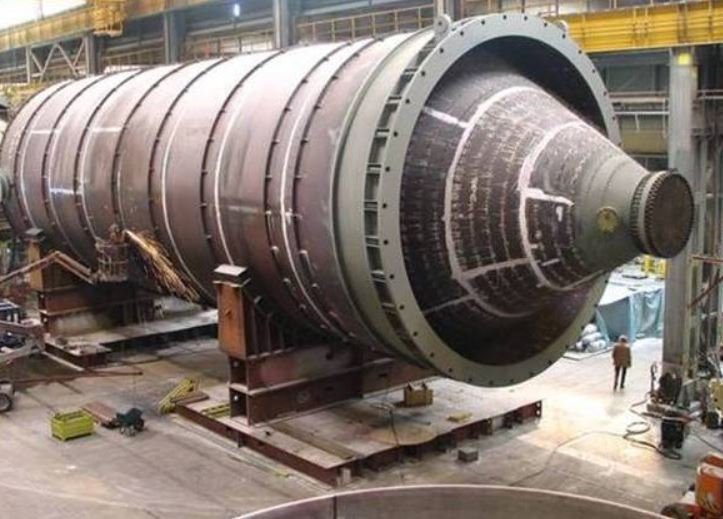
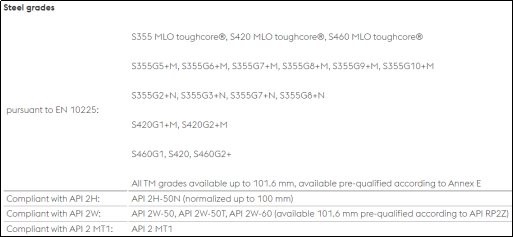
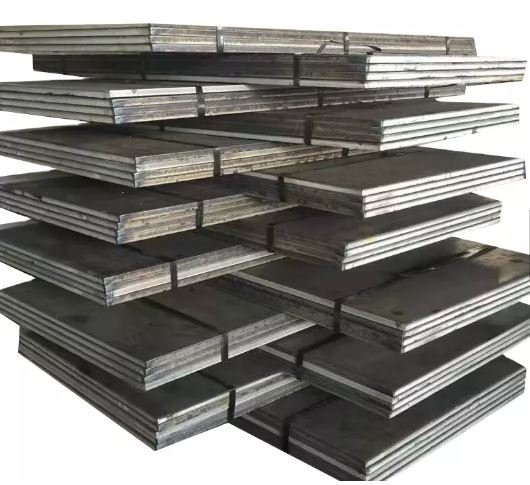
Offshore Steel plates intended for use in offshore and marine environments are required to meet stringent regulations set by organizations like the American Bureau of Shipbuilding (ABS), which oversees the use of materials in the construction of ship structural components,and the American Petroleum Institute (API), which is responsible for regulating the use of materials in construction projects for offshore oil rigs and cranes, ensuring compliance with strict guidelines. Premium offshore structural steels and thermomechanically rolled shipbuilding plates are indispensable in the construction of drilling platforms, oil platforms, and jack-up rigs. These highly durable steels are also commonly utilized in the foundation of offshore wind parks and floating production storage and offloading vessels (FPSOs). Offshore plates that are produced through thermomechanical rolling exhibit exceptional weldability and an extraordinarily high level of toughness. Our welded structures meet the highest safety standards, thanks to the high toughness and minimal risk of cold cracking in the welding seam.


1667440689417


Offshore steel exhibits superior features such as a high yield strength of 355 N/mm2, exceptional weldability, excellent internal integrity, remarkable durability against brittle fracture in both longitudinal and traverse directions, low phosphorus and sulfur levels, and an exceptional resistance to lamellar tearing. The standards set by these organizations guarantee that offshore and marine steel plates possess the mechanical and chemical attributes required to withstand corrosion, prevent brittleness (particularly in colder conditions), and boost overall strength and resilience.These features play a vital role in enabling plates to endure the vibrations and impact damage that are commonly encountered in marine environments.

Offshore Steel Plate 1.JPG
Offshore Steel Plate 2(1).jpg
Offshore Steel Plate 3(1).jpg

Thickness Range: 6-130 mm (dependent on steel grade)

Width Range: 3,850 mm max. (dependent on thickness and steel grade)

Length Range:18,700 mm max. (dependent on thickness and steel grade)

Delivery condition: Normalized (N) or Thermo-Mechanically rolled (M)

Origin of raw materials: China, USA, Europe, Japan, Korea

Brand we mainly distributed: Dillinger Hutte, JFE Steel Corporation, Voestalpine AG, Wuyang, Nippon steel & Sumitomo Metal Corporation, POSCO Steel, Dongkuk Steel, Krakatau Posco, Nanjing Iron & Steel Co. (NISCO), Jiangyin Xing cheng Special Steel (JYXC), JWS

Value added services available: Cut-to-length, Laser cutting, Edge preparation, Welding, Color coding, Bending and mechanical processing

Package: bundled by steel strip, Standard seaworthy export packing
 

Hot Tags: offshore steel plate, China offshore steel plate manufacturers, suppliers, factory
High Strength Steel Plate

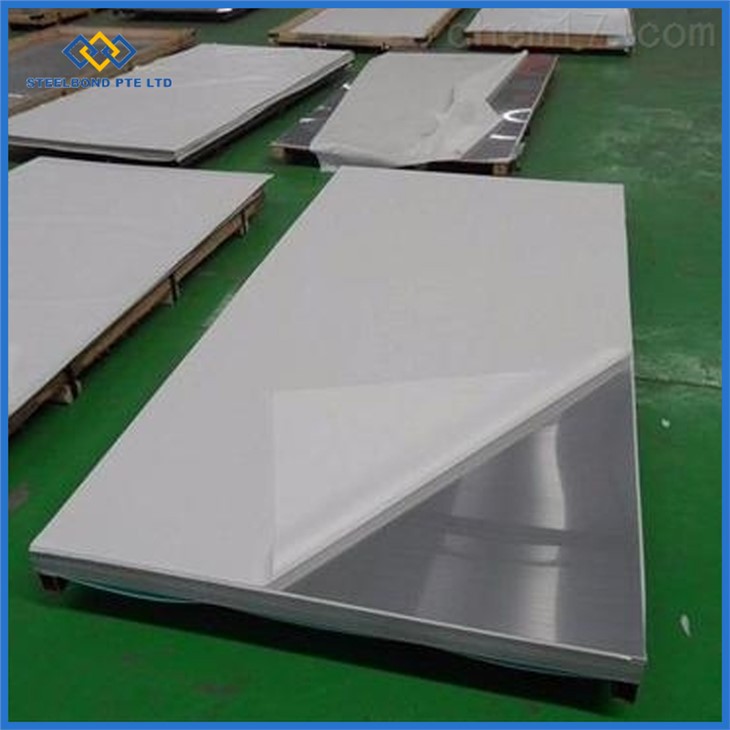
High Strength Steel Plate is a versatile material that can be shaped into various forms, including plates and sheets, for different applications. The characteristics of these plates are determined by the elements incorporated in them. High-strength steel plates are a specific type of plate that provides increased durability, form-ability, and welding capabilities. Compared to conventional steel, they exhibit superior resistance to corrosion caused by exposure to the atmosphere.


The presence of titanium and molybdenum in High Tensile Strength Steel Plate renders it favorable for heat treatment and bending. They are widely applied in the construction of steel frames, pipe systems, and load-bearing beams. High Strength Weldable Steel plates can be connected through either manual welding techniques or modern automated equipment. Both these techniques give the same end results and do not hamper the property.


High Yield Steel Plate has the capacity to endure structural loads up to the point of failure is measured as its yield strength. High Yield Steel Plate provides superior durability against a variety of structural loads, enabling it to withstand the rigorous demands of the most challenging applications on the planet. After undergoing heat treatment and mechanical profiling, S500MC exhibits unparalleled strength characteristics. This material is well-suited for heat treatment and bending, as it contains low to high levels of titanium (Ti) and medium to ultra-high levels of molybdenum (Mo). The alloying content ensures that the material maintains its yield behavior even after undergoing such processes. Cold formed components, such as cold pressed parts and sections, can be easily produced using S500MC Sheet. Its common applications include load bearing beams, steel frames, and pipework.


High Strength Steel Plate 1.JPG
High Strength Steel Plate 2.JPG

While S700MC boasts impressive capabilities when it comes to bending and folding, it is important to ensure that it meets the necessary specifications for the intended task. S700MC is versatile in terms of welding, as it can be welded manually or with automatic equipment using any electrical welding method, as long as the necessary technical guidelines are followed. S700MC Steel Plate should be normalized and stress relief annealing above 580°C with long holding times results in a reduction of yield strength and tensile strength as compared to the ‘as delivered’ condition which is why such heat treatments should be avoided.


Hot-forming is not recommended for this particular type of steel. Should low-voltage annealing be necessary to counteract welding stresses, it is recommended to carry out annealing for a duration of 30 minutes within the range of 530°C to 580°C.


BENEFITS OF HIGH STRENGTH STEEL PLATE

Ø Economy: By enhancing the durability of steel, it is possible to optimize the size of the structural components according to specific engineering needs. This can lower the expenses of manufacturing and assembling processes, which is a crucial objective in economies with high labor costs.

Ø Architecture: By decreasing the size of structural components, it becomes possible to create exceptional and refined structures that harmoniously blend into the environment.

Ø Environment: Opting for steel-reduced construction practices supports the conservation of our planet’s increasingly scarce resources.

Ø Safety: Modern high strength steel grades possess characteristics beyond high strength values. Special grades offer a superior level of strength and toughness, ensuring that the structures created with them are both safe during fabrication and application. In particular, modern off-shore steel grades performing at some of the lowest service temperatures are a good example.


High Strength Steel Plate Grade

Ø Grade 300M high tensile steel: Equivalent Grades; DIN 1.6928, UNS K44220, ASTM A579, ASTM A646, AMS 6417, AMS 6419, MIL S-8844D, S-8844 Class 2

Ø Grade 4140 high tensile steel: Equivalent Grades; AS1444-1996 4140, BS970-1955, EN19A, BS970 Part 3-1991 709M40, ASTM A29/29M 1991 4140, SAE/AISI 4140

Ø Grade 4145H high tensile steel: Equivalent Grade; API Spec 7, SAE J1268, UNS H41450, ASTM A304

Ø Grade 4340 high tensile steel: Equivalent Grade; AS1444-1996 4340, BS970-1955, EN24, BS970 Part 3-1991 817M40, ASTM A29/29M 1991 4340, SAE/AISI 4340

Ø Grade EN25 high tensile steel: Equivalent Grade; AS1444-1996 X9931, BS970-1955 EN25, BS970 Part 3-1991 826M31

Ø Grade EN26 high tensile steel: Equivalent Grade; AS 1444-1996 X9940, BS970-1955 EN26, BS970 Part 3-1991 826M40

Thickness Range: 6mm to 300mm

Width Range: 900mm to 4100mm

Length Range: 3000mm to 25000mm

Origin of raw materials: China, USA, Europe, Japan, Korea

Brand we mainly distributed: Dillinger Hutte, JFE Steel Corporation, Voestalpine AG, Wuyang, Nippon steel & Sumitomo Metal Corporation, POSCO Steel, Dongkuk Steel, Krakatau Posco, Nanjing Iron & Steel Co. (NISCO), Jiangyin Xing cheng Special Steel (JYXC), JWS

Value added services available: Cut-to-length, Laser cutting, Edge preparation, Welding, Color coding, Bending and mechanical processing

Package: bundled by steel strip, Standard seaworthy export packing


Hot Tags: high strength steel plate, China high strength steel plate manufacturers, suppliers, factory
High Strength Steel Plate

What Is High Strength Steel Plate?


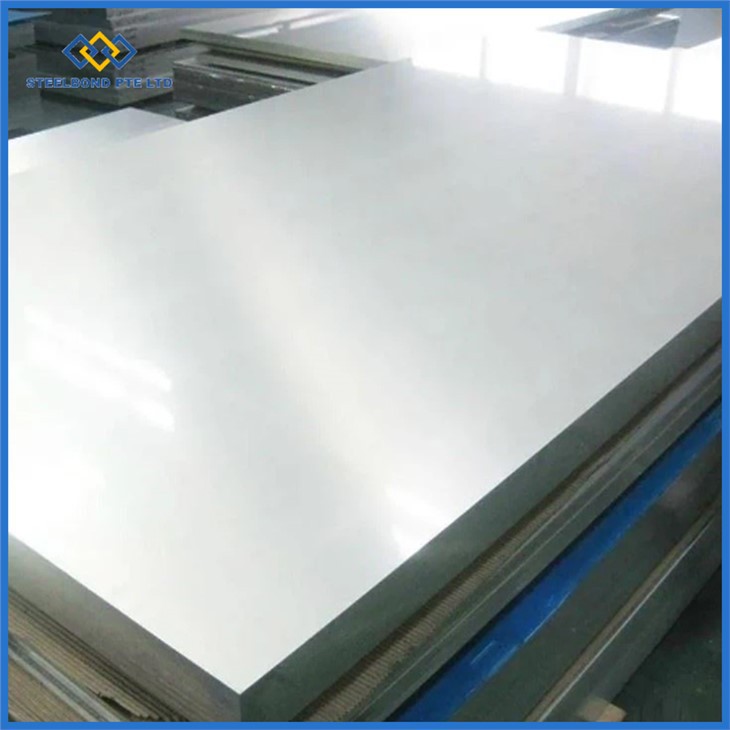
High strength steel plates are steel sheets engineered to have superior strength and hardness properties compared to other steels. Due to their excellent tensile strength and wear resistance, they can be used in various structural applications, from bridges to armoured vehicles. High strength steel plates also offer excellent weldability characteristics, making them suitable for various applications where welding is necessary. Furthermore, they provide superior corrosion resistance compared to other steel materials. This makes them particularly useful in marine environments or coastal areas where moisture is more prevalent or corrosive elements like chlorine are present.


Advantages of High Strength Steel Plate


Superior strength
Due to their ability to resist shock loading, they can also be found in bridges and heavy machinery like cranes, tanks, bulldozers, etc. Additionally, they have excellent weldability and formability, allowing for diverse shapes and designs without compromising their mechanical properties. All these features combine to make high-tensile steel plates one of the strongest materials available today for industrial use – offering superior performance every time!


Lighter weight
One of the most significant advantages of high-tensile steel plates over traditional steel is their lighter weight. The higher tensile strength of these plates allows for a thinner cross-section, which results in reduced weight without compromising strength. This makes them ideal for military vehicles that need to be highly maneuverable.


Better protection
Military vehicles such as tanks and armored vehicles are highly susceptible to attacks from enemy fire. High-tensile steel plates offer better protection against ballistic missiles and other projectiles. These plates are extremely hard and can absorb the impact of high-speed bullets without cracking.


Lower maintenance costs
High tensile steel plates require lower maintenance than traditional steel plates, which translates to fewer repairs and replacements, reducing costs over the vehicle’s lifespan. These plates are also less susceptible to corrosion and rust, which minimizes the need for regular maintenance.


Greater durability
Military vehicles and equipment must withstand rugged terrain, extreme temperatures, and harsh environmental conditions. High-tensile steel plates offer greater durability and resilience, reducing the risk of vehicle failure and ensuring the equipment can perform optimally.


Carbon Teel Plate

Carbon Steel Plate

Carbon steel plate usually been considered as the steel that does not contain much alloy steel elements. Generally, elements are C, Mn, P, S, Si, besides these there are no minimum limits for elements of Al, Cr, Ni, Mo, V etc.

Pressure Vessel Steel Plate

Pressure Vessel Steel Plate

Pressure vessels are defined as closed containers that hold gases or liquids at a pressure substantially different than the ambient pressure.

Offshore Steel Plate

Offshore Steel Plate

Offshore and marine steel plate is specifically certified for use in maritime projects by regulatory organizations, including the American Bureau of Shipbuilding (ABS).

High Strength Steel Plate

High Strength Steel Plate

High Strength Steel Plate is a material used to make several products from plates to sheets. The properties inherent by these plates depend upon the elements added to them.

Shipbuilding Steel Plate

Shipbuilding Steel Plate

Steel is one of the most important materials for the construction of new passenger and merchant ships and yachts, as well as for repairs and conversions.


Why Choose Us


Strong production chain

We have a strong supply chain with major distributors in China and other Asian regions to meet the stringent requirements of your project.


Professional team

STEELBOND PTE LTD has the most professional quality assurance team to ensure that AML and technical requirements are met, while providing quality products and services on time at the most competitive prices.


High-quality products

Committed to providing high-quality products and services efficiently, ensuring project safety, and making the world know more about Chinese steel.


Product diversification

The main inventory includes pipes and bars of stainless steel, duplex stainless steel, super duplex stainless steel, nickel alloy, Hastelloy and other grades.


Types of High Strength Steel Plate


High strength interstitial-free steels (if steels)
High-strength if steels belong to the product family of conventional high-strength steels by adding different kinds of solid-solution-strengthening alloys such as p, mn, si, and proper rolling process control. The high-strength interstitial free steel properties feature the best formability and stamping performance of conventional high-strength steels, making it very suitable for complex-shaped automotive steel parts that have high requirements for deep drawing suitability and strength.


High strength bake-hardening steels (bh steels)
Bake hardenable (bh) steel grades are conventional high-strength steels with baking hardening effects, suitable for car exposed panels. Bh steels exhibit an increase in yield strength after room-temperature stamping followed by bake hardening processing through a thermal cycle comparable to the time-temperature profile used in paint baking, which is commonly seen in automotive painting processes.


Phosphorus-containing steel
Phosphorus-containing steel uses the solid solution strengthening element phosphorus to increase the strength of the steel plate so that it can be applied to some automobile stamping parts with more complicated shapes.


Ultra-low carbon phosphorus-containing steels
Ultra-low carbon high-strength phosphorous steels are favored for their deep drawability, formability, and toughness. Solid solution strengthening alloys such as p, mn, and si ensure their strength.


Isotropic steels ((i-steels)
Isotropic steels are low-carbon low-alloyed steel, mainly used for automobile outer panels, and have been commercialized in europe. The steel product categories are divided into cold-rolled steels, electro-galvanized steel, and hot-dip galvanized and hot-dip galvanized alloyed products, which are mainly used in european series models, while japanese cars are rarely used.


High-strength low alloy steels (hsla steels)
High strength low alloy steels, commonly known as hsla steels, are produced by adding a small number of microalloying elements like cb, ti, mo, v, etc., which offer excellent strength and weldability to it. The main mechanisms include grain refinement, precipitation strengthening, solid solution strengthening, and even phase-change strengthening.


Application of High Strength Steel Plate
高强度钢板
高强度钢板
高强度钢板
高强度钢板

Automotive industry
The automobile industry is one of the most significant users of high-strength steel plates. Car manufacturers increasingly use high-strength steel plates to improve their cars’ rigidity, durability, and safety. Automobiles use high-strength steel plates to manufacture crash-resistant structures, ensuring that passengers are safe during a collision.


Shipbuilding industry
Shipbuilding is another industry that requires high-quality steel plates. A ship’s hull is built primarily using steel plates, and using high-strength steel plates improves the ship’s structural integrity, making it more durable and long-lasting. Using high-strength steel plates also means that ships can carry more cargo without becoming too heavy.


Energy industry
The energy industry is yet another sector that uses high-strength steel plates in its structures. This type of steel is used to construct wind turbines, transmission towers, and other energy-related structures. High-strength steel limits maintenance costs and increases the equipment’s overall product life, making it a cost-effective investment in the long run.


Construction and infrastructure
High-strength steel plates are commonly used in the construction industry to create bridges, tunnels, and high-rise buildings. This steel plate can withstand high loads and pressure, making it ideal for building facilities that must remain stable and secure under extreme conditions.


Heavy equipment manufacturing
High-strength steel plates are widely used in manufacturing heavy equipment such as cranes, excavators, bulldozers, and other earthmoving equipment. These machines are subject to heavy loads and pressures daily, and high-strength steel plates are essential to ensure that components remain intact and that the machine can perform to its fullest potential.


High Strength Steel Plate:Steel Thickness

10 gauge steel thickness
10 gauge steel is generally used for construction purposes, such as building decks and fences. The thickness of 10 gauge steel is 0.1406 inches. 10 gauge mild steel is often used in manufacturing, fabrication, and construction applications due to its strength and versatility.


11 gauge steel thickness
11 gauge steel is a slightly thinner steel than ten gauge steel. The thickness of 11 gauge steel is 0.126 inches. Mostly 11 gauge steel is used for school furnishings like logo park benches and picnic tables in indoor and outdoor areas.

12 gauge steel thickness

12 gauge steel is thinner steel than 11 gauge steel. The thickness of 12 gauge steel is 0.1093 inches. Mostly 12 gauge steel is used in industrial buildings.

14 gauge steel thickness

14 gauge steel is thinner steel than twelve gauge steel. The thickness of 14 gauge steel is 0.0781 inches. Mostly 14 gauge steel is used for cnc machining, fasteners, fencing, erosion control, pop displays, and decking.

16 gauge steel thickness

16 gauge steel is thinner steel than fourteen gauge steel. The thickness of 16 gauge steel is 0.0625 inches. Mostly 16 gauge steel is used to make kitchen appliances like sinks and countertops, industrial equipment such as food processing machinery and tanks, and medical devices such as surgical tables or dental implants. With the increment in the gauges, the thickness decreases, and with the change in thickness strength changes.


How to Maintain High Strength Steel Plate
 
Protection from moisture

High strength steel plate is a great material for outdoor use due to its high tensile strength, corrosion resistance, and weathering properties. However, proper protection from moisture is essential to ensure that it lasts a long time without rusting or losing structural integrity. The best way to protect against moisture is by applying a coat of sealant or waterproof paint. Once the surface has been sealed, an additional coating layer should be applied to protect against uv rays and water damage. Lastly, regular maintenance, such as cleaning off dirt and debris, should be conducted to keep the high strength steel plate looking new and attractive longer than expected!

Cleaning

High strength steel plates must be cared for properly to last and retain their beautiful orange-brown colour. The easiest way to clean corten steel is by using a water hose with a light spray setting, or, if you need more pressure, use a pressure washer set on the lowest setting available. Avoid high-pressure washers, as they can damage the surface of your corten sheet. Once you’re done cleaning, apply an oil-based sealer yearly to prevent rusting. Additionally, remember that cleaning may not always restore the original colour of your sheet, and some discolouration may remain, so it’s good practice to maintain them regularly over time.

Applying a protective coat

High strength steel plate is known for its durability and weather-resistant properties but requires special care. To ensure your high strength steel plateting lasts as long as possible, apply a protective paint, varnish or sealant coating. Make sure to select a product specifically designed for corten steel to avoid any further damage or discolouration. To prepare the surface for painting, wash it with mild soap and water before drying thoroughly with a soft cloth. Finally, apply two even coats of your chosen protective coating with an appropriate brush or sprayer, allowing each coat to dry completely before applying the next one. These simple steps can help keep your high strength steel plates looking beautiful for years!

Avoid using salt

High strength steel plate, or weathering steel, is a great material for outdoor installations. To ensure its longevity and keep it looking good in the long run, there are several steps to take when caring for high strength steel plates. First, if you come across any dirt or debris on your high strength steel plate panelling surface, use mild soap, water, and a soft brush to clean it off. Additionally, avoid using salt or other additives that can damage the protective layer of rust on corten’s surface when exposed to air moisture – this layer helps protect against further corrosion from salt-based elements. If possible, set up your high strength steel plate away from areas likely to have high levels of salt exposure (like near oceans). Lastly, create an annual maintenance schedule where you check the condition of your panelling regularly and reapply a protective coating every 3-5 years with an epoxy coating like polyurethane. This will help preserve its integrity over time!

Keep it clean and dry

The best way to care for your high strength steel plate is to keep it dry, clean, and debris-free. Inspect your high strength steel plate to check for any signs of rust or corrosion and address them immediately. You can use a wire brush to remove rust spots but don’t sandpaper your high strength steel plate as it can strip off the patina.


How to Choose a High Strength Steel Plate
 

Define your requirements
Defining your requirements is important before selecting high-tensile steel plates for your project. This includes considering factors such as the type of application, required strength, thickness of the plate, and any additional specifications or certifications applicable to your project. Clearly defining your requirements can narrow your selection and reduce the likelihood of choosing inappropriate material.


Materials
High-tensile steel plates come in various materials, each with its specific properties. Common materials include s690, s960, s1100, and s1300. The material you choose will depend on the specific requirements of your project. For example, s690 is popular for offshore applications due to its excellent strength and corrosion resistance. S960 and above are commonly used in mines and heavy machinery due to their superior durability.


Quality
The quality of high tensile steel plates can vary greatly, even within the same material category. It’s essential to ensure that the material you choose meets your project’s specifications and certifications. Be sure to choose a reputable supplier who can provide traceability and necessary documentation, such as mill test reports.


Plate dimensions
Along with material selection, the dimensions of the high-tensile steel plate are essential. It’s important to select the correct thickness and plate dimensions to ensure the plate works correctly in your application. This can be influenced by several factors, such as the weight and size of the equipment, the load capacity, and the type of stresses expected during operation.


Price
Finally, the high tensile steel plates’ cost is crucial when deciding on the right material for your project. High tensile plates can be expensive, so it’s essential to balance the cost with the required properties and qualities of the material. While the cheaper option may appear appealing on paper, choosing lower-quality materials can lead to unexpected costs through repair, replacement, or downtime that could offset the savings.


Company Introduction


STEELBOND PTE LTD is a leading steel distributor established in 2014 in Singapore, we offer a diverse range of ferrous and non-ferrous products from reputable and accredited mills and We have a strong supply chain with major stockists in China and other Asia area to meet the Stringent requirement with your project.
Driven by its customer-focus value, STEELBOND PTE LTD has consistently applied innovative and best-practice processes to give its clients reliable products and on-time services.


productcate-1-1
productcate-1-1
productcate-1-1
productcate-1-1
productcate-1-1


Our Certificate


20221104150040438e74b2554642c4bc30a13743636f31.jpg (500×686)
20221104150046b3371590d55b46a7b46eede594d90264.jpg (500×686)
2022110415005752af8549439a4073a2c200bb8bf1adf9.jpg (500×686)


FAQ


Q: What is a high-strength steel?

A: High strength steel is a type of alloy steel that provides better mechanical properties and greater resistance to corrosion than conventional carbon steel.

Q: What is the difference between high-strength steel and normal steel?

A: Mild Steel is more malleable than high-strength steel. Both these steel have different types of carbon structures. Mild steel is very easy to shape because of its high flexibility. In contrast, high-strength steel has higher strength and is less flexible than mild steel.

Q: What are the grades of high-strength steel plate?

A: There are five different grades of A572 steel plate: Grade 42, Grade 50, Grade 55, Grade 60 and Grade 65. Each of these grades have slight differences in their mechanical properties and chemical compositions, which may make them more fitting for certain applications. A572-50, however, is the most common A572 grade.

Q: When to use high-strength steel?

A: High-strength steel is extremely versatile. It is used in bridge building, mining, crane construction, mechanical engineering, safety constructions and in the offshore industry. As high-strength steel is available from very thin sheet thicknesses, it is also used in the automotive industry.

Q: What MPa is high-strength steel?

A: 270 to 700 MPaHigh Strength Steel has a yield strength that ranges between 30-80 ksi (210-550 MPa) and a tensile strength between 40-100 ksi (270 to 700 MPa).

Q: What is the standard for high strength steel?

A: Those steels with very high minimum specified tensile strength are sometimes referred to as Ultra High Strength Steels (UHSS). Several companies choose 980 MPa as the threshold where “Ultra” high strength begins, while others use higher thresholds of 1180 MPa or 1270 MPa.

Q: What is the density of high strength steel?

A: Thousands of different steel grades with many different properties are available on the market today. However, all carbon steels are equal when it comes to two properties. They all have the same density (7,800 kg/m3 or 0.28 lb/in3) and Young’s modulus.

Q: What is the MPa for extra high strength steel?

A: Advanced high-strength steels (AHSS) ≥ 550 MPa TS. Ultra-high strength steels (UHSS) ≥ 780 MPa TS. GigaPascal steels ≥ 1000 MPa or 1 GPa TS.

Q: What is the difference between high strength steel and stainless steel?

A: Compared to low-carbon steel, stainless steel offers a massive upgrade in strength, hardness, and most importantly corrosion resistance. High carbon steel offers strength rivaling and sometimes exceeding stainless steel, but is largely a niche material in the manufacturing world.

Q: How can you tell if steel is high quality?

A: How Do I Know I’m Getting High-Quality Steel?
Metallurgical testing to gauge its makeup. …
Stress testing to see how it will react to factors such as temperature, corrosion, and impact. …
Tensile strength and hardness testing to determine the durability of steel.

Q: How to identify high strength steel?

A: High-strength steels are generally defined as having tensile strengths between 270–700 MPa (39–102 ksi). Ultra-high-strength steels (UHSS) are defined as steels with tensile strengths greater than 700 MPa (102 ksi). Advanced high-strength steels may start at 400 MPa (58 ksi).

Q: What is the most common high strength steel?

A: A36, A572, A992, A500, A514, A516, A242, A588, A709, and A913 are the most common steel grades used for structural steel. Each grade has its own unique set of properties, such as yield strength, tensile strength, weldability, and corrosion resistance, that make it suitable for specific applications.

Q: What is the strongest steel plate?

A: High carbon steel offers the greatest strength and hardness compared to mild and medium carbon steel plate. However, high carbon steel is less ductile than lower carbon steels, meaning it is much harder to machine or form.

Q: What is the strongest grade of steel?

A: Two of the strongest grades of steel are EN24T and T45 which are widely used across engineering, aeronautics, and motor sport due to their reliable mechanical properties.

Q: What is the meaning of high-strength steel?

A: High strength steel refers to the steel well harmonized between its strength and tenacity, which also means the low-alloy steel, gets good comprehensive mechanical properties after tempering. Steel with tensile strength beyond 1200Mpa is called as high-alloy steel, and as ultra-high-strength steel as beyond 1500Mpa.

Q: Where is high-strength steel used?

A: High strength steel materials (HSS) are used in many industrial applications such as in automotive, automobile components and transportation due to their high strength to weight ratio and excellent mechanical properties (strength and elongation) better than the conventional steels.

Q: What is the difference between mild steel and high-strength steel?

A: High tensile steel is a type of mild steel because both these contain a low amount of carbon. The main difference between mild steel and high tensile steel is that high tensile steel has a high-quality strength than mild steel.

Q: What is 250 MPa mean?

A: Grade 250 mild steel is a reference to its strength. A grade 250 steel has a minimum yield strength of 250 MPa (Mega Pascals).

Q: Can high strength steel be repaired?

A: “Anything over 800 MPa is not repairable and has to be replaced,” Keith says. That’s because heat compromises the hardness of these metals. These advanced high-strength steels are stronger because the thermomechanical processing of the steel as it’s made creates both soft and hard phases in the metal.

Q: What is 550 MPa mean?

A: Steels with yield levels higher than 80 ksi (550 MPa) are considered Advanced High Strength Steels, and when the tensile levels exceed 113 ksi (780 MPa), they are referred to as Ultra High Strength Steels.

Hot Tags: high strength steel plate, China high strength steel plate manufacturers, suppliers, factory
Carbon Steel Plate

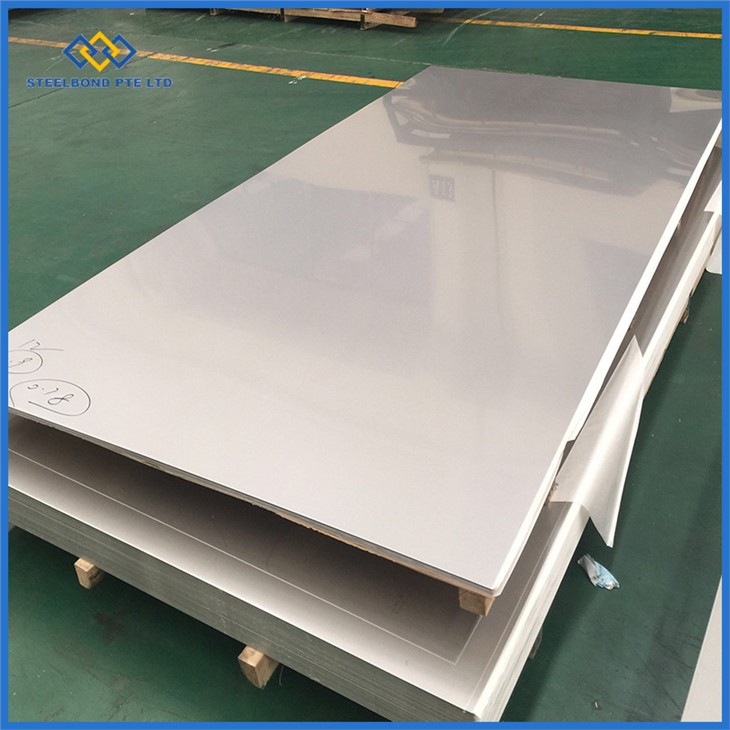
Carbon steel plates are typically characterized as being low in alloy steel elements. The main elements found in carbon steel plates are typically C, Mn, P, S, Si. Additionally, there are no minimum requirements for alloy elements such as Al, Cr, Ni, Mo, V etc. Carbon steel plates are graded based on their carbon content and strength, with low, medium, and high-carbon options available. As carbon content increases, so does the durability of the plate. When no specific minimum content is required for alloying (for example, aluminum, chromium, nickel, molybdenum, vanadium, etc.) or other additional elements aimed at creating a desired alloy effect, steel is generally categorized as carbon steel. This type of steel contains carbon as its primary element.The maximum allowable content of manganese is 1.65%, while copper must meet a minimum requirement of 0.40% and a maximum of 0.60%. Additionally, the maximum permissible amount of silicon is 0.60%. Different sub-categories exist based on thickness, intended use, and the specific method of formation involved. Typically, carbon steel plates come in a range of thicknesses from 0.4 mm to 80 mm and widths spanning from 1000 mm to 45000 mm. In some cases, these plates can even reach lengths of up to 18 meters. The customizable length option provides customers with the flexibility to use the products in a variety of different applications.


Ø Carbon Structural Steel Plate

Given its predominant use in the construction industry, the product must meet the highest standards of quality, durability, and performance. The products need to be able to withstand heavy loads and pressure and must be resistant to corrosion.

Ø Boiler Steel Plate

These plates are commonly utilized in the construction of high-pressure vessels, boilers, and thermal containers. Boiler steel plates composed of carbon exhibit high resistance to corrosion with excellent tolerance to low heat levels. To make it adaptable for use in diverse surroundings, multiple coatings of either chromium or nickel are incorporated.

Ø Tanks Steel Plate

These plates are utilized in the construction of oil and gas tanks, water tanks, storage tanks, and containers for storing various items.

Ø Carbon Shipbuilding Steel Plate

The demand for Shipbuilding Steel Plates is high, particularly in the oil and gas industry where they need top-grade, thick plates. Most of these are made according to the specifications of the customers and the steel used is certified because a small lamellar tear can be.


Benefits of Carbon Steel Plates

In most cases, carbon steel is composed of either mild or hot-rolled steel. As a corrosion-resistant and abrasion-resistant steel, carbon steel plates are well suited for applications requiring durability against stress as well as environmental stressors when used for outdoor purposes. 

Carbon Steel Plate 1.JPG
Carbon Steel Plate 2.JPG

Thickness Range: 6mm to 400mm

Width Range: 1250mm to 2500mm

Length Range: 1000mm to 12000mm

Delivery condition: Normalized (N) or Thermo-Mechanically rolled (M)

Origin of raw materials: China, USA, Europe, Japan, Korea

Brand we mainly distributed: Dillinger Hutte, JFE Steel Corporation, Voestalpine AG, Wuyang, Nippon steel & Sumitomo Metal Corporation, POSCO Steel, Dongkuk Steel, Krakatau Posco, Nanjing Iron & Steel Co. (NISCO), Jiangyin Xing cheng Special Steel (JYXC), JWS

Value added services available: Cut-to-length, Laser cutting, Edge preparation, Welding, Color coding, Bending and mechanical processing

Package: bundled by steel strip, Standard seaworthy export packing


Hot Tags: carbon steel plate, China carbon steel plate manufacturers, suppliers, factory
API 5L X65 Pipe

API 5L X65 PIPE

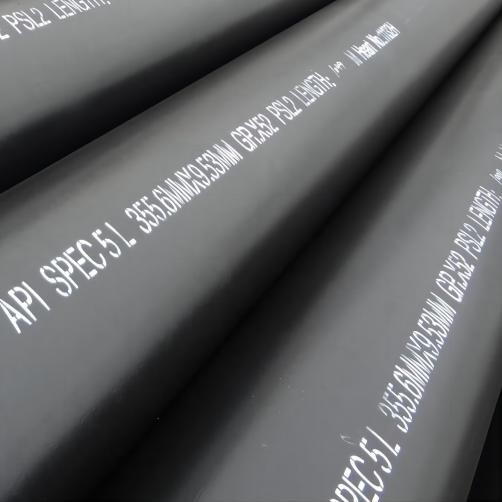
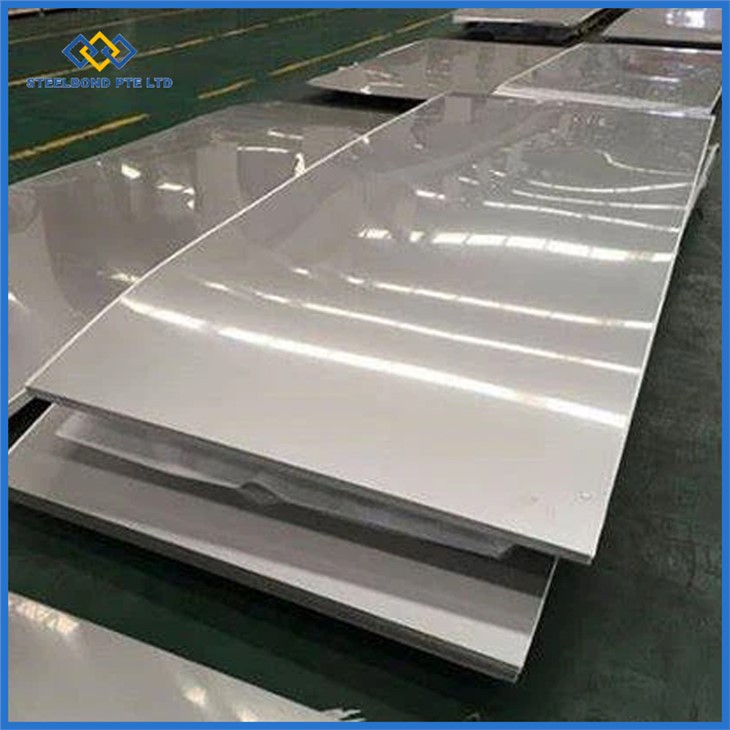
API 5L X65 pipe, also known as L450 pipe according to API 5L (ISO 3183) standards, is a premium grade pipe widely utilized in oil and gas transmission applications. Its name X65 or L415 originates from its remarkable minimum yield strength requirement of 65,000 KSI or 450 MPA.


API 5L is a widely-used pipeline material with a range of grades available from B to X70, including Grade X65 which is considered a top-tier option. As other API 5L pipe, this pipe meets two product specification levels, PSL1 and PSL2, and may be necessary for use in sour services.


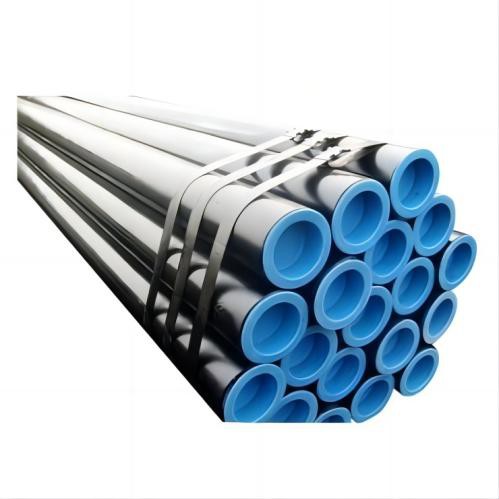
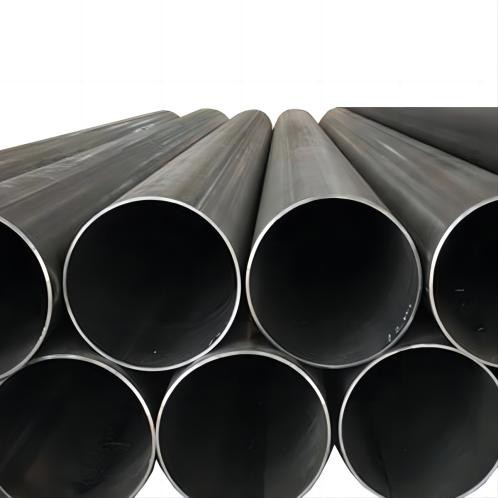
API 5L X65 ERW pipes made of carbon steel are highly recommended for transferring various types of fluids including water, oil, sewage, and steam or gas. API 5L X65 Seamless Pipes, made from robust carbon steel, exhibit exceptional resistance to shock, vibration, and pressure fluctuations. While carbon steel grades may lack inherent corrosion resistance and are prone to rusting, buyers have the option to request pipes that have been coated or electroplated. The application of surface treatment on carbon steel pipes typically results in improved resistance to corrosion compared to leaving them untreated. Utilizing suitable heat treatment allows for the application of an outer layer of zinc to the exterior of the API 5L X65m Welded Pipe.


1.jpg
2(1).jpg
3(1).jpg


Standard and Grades: API 5L X65

Product Specification Level: PSL1, PSL2

Manufacturing processes: Seamless and welded (ERW, LSAW vs SSAW HSAW, DSAW)

OD range: 1″ to 48″.

Common Dimension Schedule range: SCH 20, SCH 40, SCH STD, SCH 80 SCH XS, SCH 160, SCH XXS.


API 5L X42/56/65/80 Seamless Steel Pipe Product Features:

1. Corrosion resistant

2. Accurate dimensions

3. Can sustain high pressure & temperature load

4. Rust proof finish

5. Smooth transition from flange thickness to pipe

6. Ensure excellent stress distribution


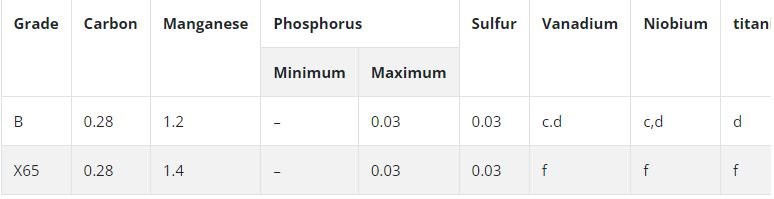
API 5l X65 Pipe Chemical Composition:

image001


API 5l X65 Pipe Mechanical Properties:

image003


Hot Tags: api 5l x65 pipe, China api 5l x65 pipe manufacturers, suppliers, factory
API 5L X52 Pipe

API 5L X52 PIPE covers seamless and welded steel line pipe.

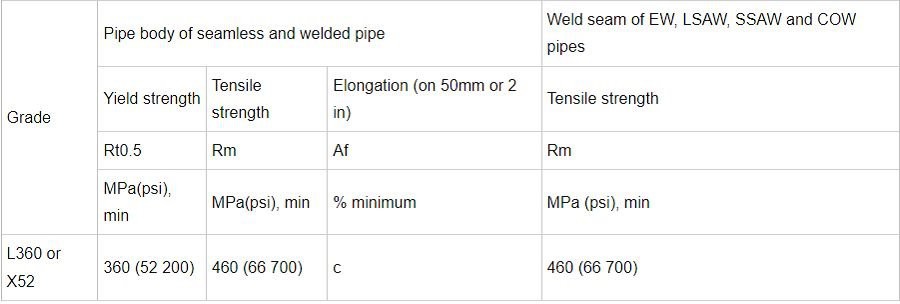
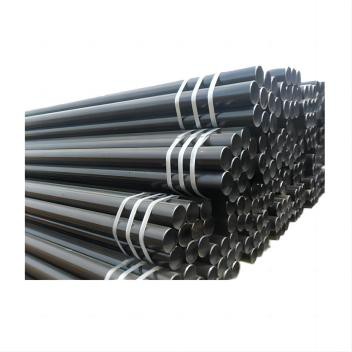
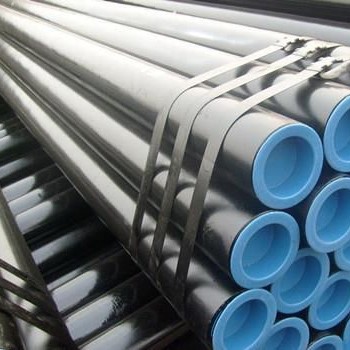
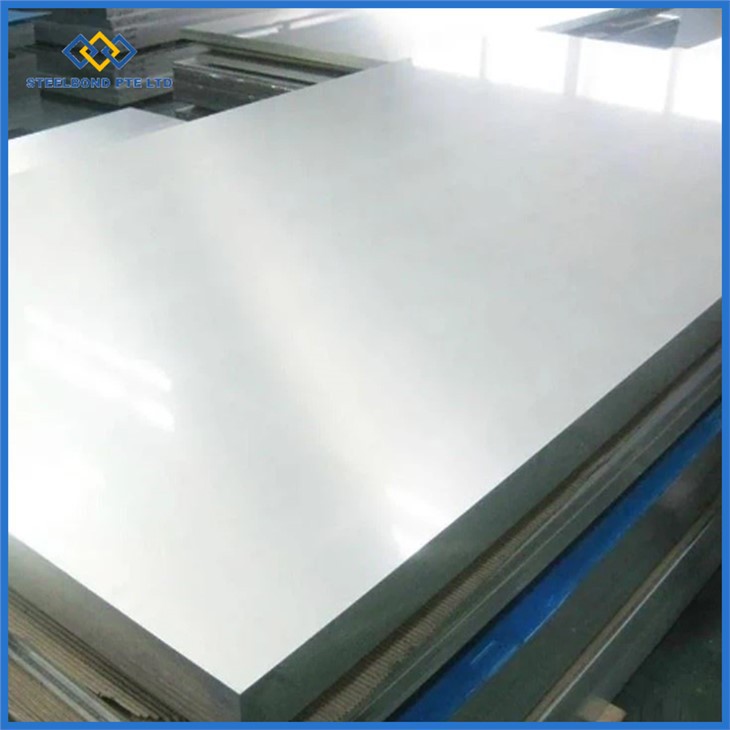
API 5L X52 pipe, also referred to as L360 Pipe, derives its name from its minimal yield strength of 52 KSU (360 MPA). This medium grade steel pipe is commonly used for the transmission of oil and gas through pipelines, adhering to both API 5L and ISO 3183 specifications.


API 5L X52 is a specific grade of steel within the API 5L specification that designates the production of two different product levels – PSL1 and PSL2 – for line pipes. X52 Line Pipe can be fabricated through both seamless and welded methods.


Applications of API 5L X52 PSL1 Seamless Pipe:

Carbon Steel is a highly utilized material in critical engineering applications, as well as the automotive industry for select applications. Moreover, Carbon Steel also offers various value-added products including but not limited to: steel for LPG cylinders, API grade, corrosion resistant steel, structural application steel, boiler quality steel, automotive grades, precision tubes, and medium/high carbon grades.


API 5L Grade L290 Carbon Steel Seamless Pipes, produced according to the strict standards set by the American Petroleum Institute (API), are designed to meet the specific requirements of clients. These carbon steel pipes are available in a variety of end connections, including non-upset ends and external upset ends. Ferropipe ensures complete compliance with mandatory non-destructive testing protocols, such as eddy current tests and hydro testing, for our API pipes. Our API pipes are available in both galvanized and black finishes and can be ordered in single or double random lengths. In General these API Pipes are used to transit oil, gas and petroleum distilleries. Ferropipe focuses exclusively on the stocking and manufacturing of high-quality API 5L Grade L290 carbon steel Pipes, which come with certifications verifying adherence to EN 10204-3.1/3.2 standards and are inspected by third-party services approved by TUV, DNV, SGS, LLOYDS, EIL.


API 5L X52 Pipe Specifications:


1(1).jpg
2(1).jpg
3(1).jpg


Standard: API 5L, ISO 3183

Grade: X52/ L390 (N, Q, M, R) in PSL1 and PSL2

Seamless OD: 21.3mm – 660mm, 1/2″ – 26″

ERW and HFW pipe: 1/2″ – 24″

LSAW and SSAW: 16″ – 100″

Wall Thickness Schedule: SCH 40, SCH STD, SCH80, SCH XS, SCH 160, SCH XXS etc

Length: DRL, SRL, 20FT, 40FT

Ends: Plain, Beveled Ends, Threaded Ends


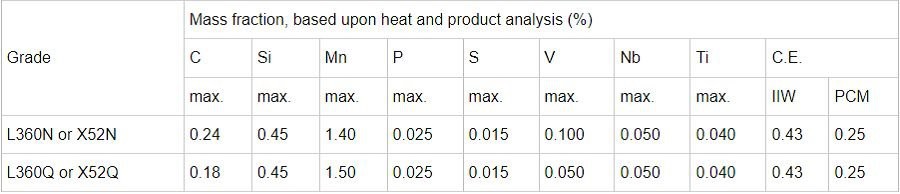
PSL1 API 5L X52/L360 Pipe Chemical Composition:

image001


API 5L Grade X52 L360 PSL1 Pipe Mechanical Properties:

image003


PSL2 API 5L X52/L360 Pipe Chemical Composition:

image005


API 5L Grade X52 L360 PSL2 Pipe Mechanical Properties:

image007


Hot Tags: api 5l x52 pipe, China api 5l x52 pipe manufacturers, suppliers, factory
API 5L X42 Pipe

API 5L X42 PIPE

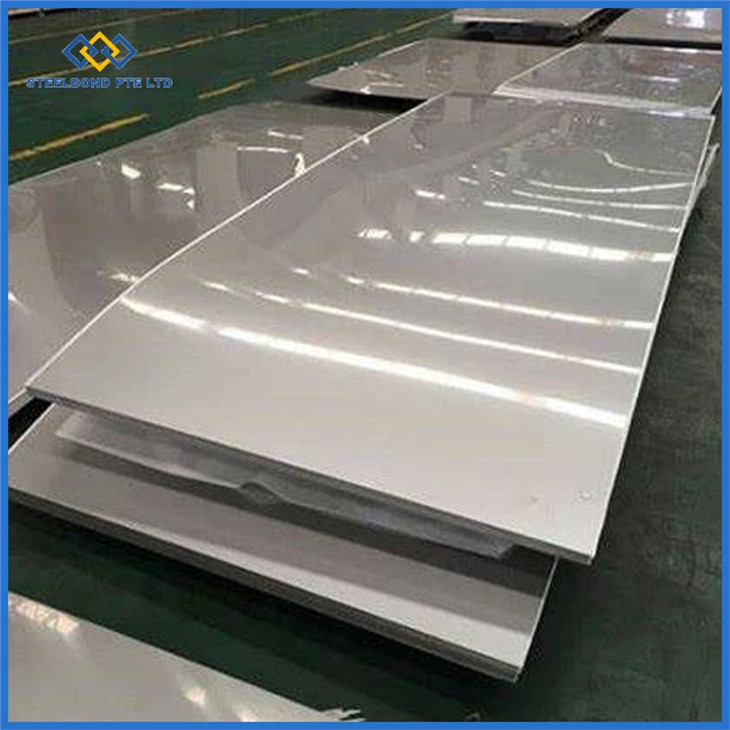
API 5L pipes are sorted into varying grades according to their strength properties. The X-grade designation, along with a numerical value, indicates the yield strength in PSI. An example would be API 5L Grade X42 PSL 2 pipe, which signifies a yield strength of approximately 42 PSI. This pipe contains a slightly higher amount of manganese as compared to grade A and grade B pipes. 
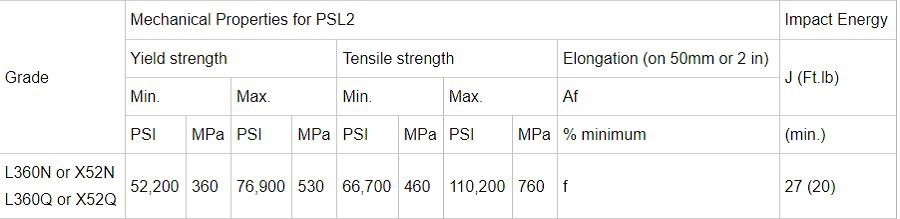
 

API 5L X42 Pipe is offered in both Seamless and Welded variations, serving as steel line pipes used in pipeline transportation systems within the petroleum and natural gas sectors. It can be utilized for the transportation of oil, water, and gas with ease. 


This kind of Seamless Pipe is manufactured by shaping a solid round steel billet into the desired pipe size and shape. 

To produce an hollow tube of the designation, the carbon steel billet undergoes a heating process and is subsequently formed through the application of force over a mold until the desired shape is achieved. 

The production process for the ERW pipe under this designation, which is commonly known as an Electric Resistance Welding pipe, starts with the initial rolling of the metal. Following this process, the metal is then welded longitudinally across its entire length. The next step in the production process for the pipe is to longitudinally weld the metal throughout its entire length. The Carbon Steel Pipe of this designation that meets the Seamless specifications can be produced through the process of extrusion to achieve the desired length or the length required by our customers. The ERW API 5L X42 PSL1 or PSL2 Line Pipe typically has a visible welded joint in its cross-section, whereas the seamless Steel Pipe is devoid of any joint along its entire length in its cross-section.


The applications and uses of API 5L X42 pipes include:

  1. Pipeline for the transportation of oil, gas, and water.

  2. Utilized as a component in launcher systems.

  3. Manufacturing of pipe fittings.

  4. Application in offshore projects.

  5. Usage in onshore engineering projects.

  6. Deployment in off-stream engineering projects.

  7. Utilized in petroleum and refineries.

  8. Application in power generation, and more.


1(1).jpg
2.jpg
3(1).jpg


API 5L X42 Pipes Specifications:

Grade: API 5L X42/L290 steel

Pipe Sizes: 1/2″ to 40″ (SEAMLESS), 1/2″ to 24″ (ERW), 16″ to 60″ (LSAW)

OD: OD 21.3mm ~ 168.28mm (NPS 1/2″ ~ 6″)

WT: WT 2.77mm ~ 21.95mm (0.147~0.864in.)

Length: 6,401mm ~ 18,288mm (SRL / DRL / TRL)


PSL1 API 5L X42/L290 Pipe Chemical Composition:

image001


API 5L Grade X42 L290 PSL1 Pipe Mechanical Properties:

image003


Hot Tags: api 5l x42 pipe, China api 5l x42 pipe manufacturers, suppliers, factory